
Auto Insurance Add-Ons Worth Understanding
Rental reimbursement, gap insurance, roadside assistance — a look at optional auto policy endorsements and the situations they address.
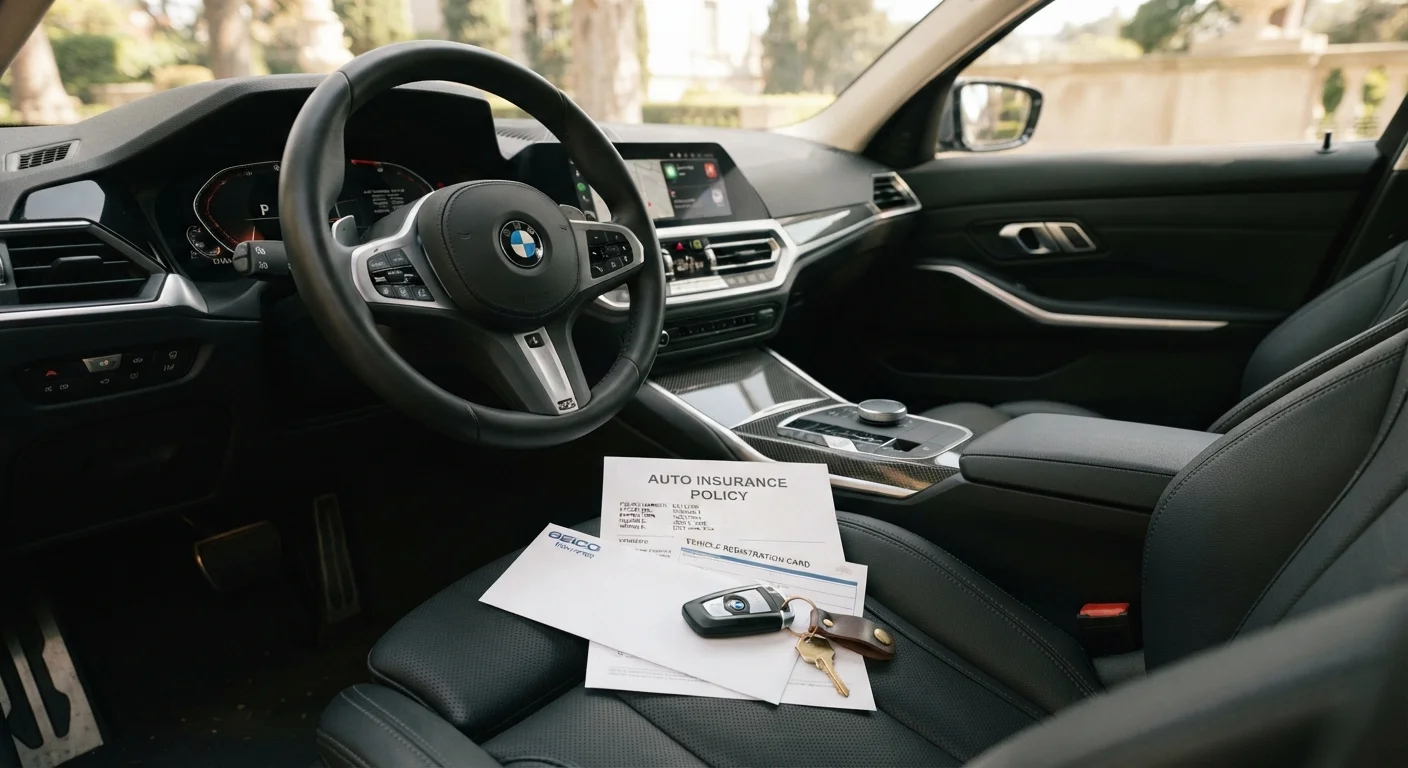
Photo: SaverSteals.com editorial
—— In This Article
Key Takeaways
- Standard auto policies often leave specific gaps that optional add-ons are designed to address.
- Gap insurance is most relevant for drivers who owe more on a loan or lease than their car is currently worth.
- Rental reimbursement and roadside assistance add modest cost but can prevent significant out-of-pocket expenses.
- Not every add-on makes financial sense for every driver — your situation determines value.
- Always read the terms of any endorsement carefully, since coverage limits and exclusions vary by insurer.
Beyond the Basics: What Add-Ons Actually Do
A standard auto policy — liability, collision, comprehensive — forms the foundation of your coverage. But that foundation has gaps, and optional endorsements (also called add-ons or riders) exist specifically to fill them. Understanding what each core coverage type protects makes it easier to recognize where the gaps are and whether an add-on addresses a real risk for you.
Add-ons are purchased separately and attached to your base policy. They raise your premium modestly, but the value depends heavily on your individual circumstances — your vehicle's age, how much you drive, whether you're financing, and your financial cushion for unexpected costs. This article is general educational information, not personalized insurance advice. Coverage terms, availability, and pricing vary by insurer and state, so always review the actual policy language and speak with a licensed agent before making decisions.
Compare Add-On Costs Across Insurers
The price of the same endorsement can vary significantly from one insurer to another. When you're shopping for a policy, request quotes with and without the add-ons you're considering so you can evaluate the marginal cost clearly. Comparing quotes meaningfully involves looking at the full coverage picture, not just the base premium.
The list below covers the most commonly offered optional endorsements in the U.S. market and the scenarios where each tends to matter most.
Gap Insurance
Gap insurance (Guaranteed Asset Protection) covers the difference between what your insurer pays out after a total loss and what you still owe on your auto loan or lease. Because a new vehicle can lose a significant portion of its value the moment it leaves the lot, drivers who financed with a small down payment or chose a longer loan term may find that their car's actual cash value falls short of their remaining balance.
This endorsement is most relevant when: you financed more than 80% of the vehicle's purchase price, you have a loan term of 60 months or longer, or you're leasing. If you own your vehicle outright or owe less than the car is worth, gap insurance provides little practical benefit. Many lenders require it, so check your financing agreement before purchasing it separately.
Gap insurance matters most when you owe more on a vehicle than it's currently worth.
Rental Reimbursement Coverage
When your car is being repaired after a covered claim, rental reimbursement coverage pays for a temporary replacement vehicle — up to a daily and per-claim limit specified in your policy. Without it, rental costs come entirely out of pocket, which can add up quickly during a multi-day repair.
Typical policies offer reimbursement tiers such as $30–$50 per day with a $900–$1,500 total cap. The actual cost of this endorsement is usually modest. It applies only to rentals needed because of a covered claim on your policy, not for unrelated travel or mechanical breakdowns. If you have easy access to another vehicle or a flexible work situation, the add-on may be less critical.
Rental reimbursement only applies when your car is out of service due to a covered claim.
Roadside Assistance
Roadside assistance endorsements cover emergency services like towing, jump-starts, flat tire changes, lockout service, and fuel delivery when you run dry. Many insurers offer this as a low-cost add-on, and it can be genuinely useful for drivers who travel frequently, commute long distances, or own older vehicles more prone to breakdowns.
Before purchasing, check whether you already have this benefit through an auto club membership, a credit card, or the vehicle manufacturer's included service package. Paying for roadside assistance twice is a common and easily avoidable overlap. Also review how the insurer handles claims — some process roadside calls directly, while others reimburse you after the fact.
Check existing memberships and credit card benefits before adding roadside assistance to your policy.
New Car Replacement Coverage
New car replacement coverage pays to replace a totaled vehicle with a brand-new version of the same or similar make and model, rather than its depreciated actual cash value. Standard collision and comprehensive coverage pays out based on the car's market value at the time of the loss — which accounts for depreciation.
This endorsement typically applies only to newer vehicles (often within the first one to two model years) and is subject to significant variation in terms across insurers. It tends to make the most sense when the vehicle is new, still under its original financing, and when you'd want to replace it with a comparable new model rather than accept a payout reflecting depreciation.
New car replacement coverage addresses the depreciation gap on recently purchased vehicles.
Uninsured and Underinsured Motorist Coverage
While technically required in many states, uninsured motorist (UM) and underinsured motorist (UIM) coverage is often listed as a separate line item and can be declined in some jurisdictions. It protects you when a driver who caused an accident either has no insurance or carries limits too low to cover your damages and medical expenses.
The Insurance Research Council has consistently found that a meaningful share of U.S. drivers carry no liability insurance at all, making this coverage relevant in most situations. Even where minimums are required by law, those minimums may not come close to covering a serious accident. Reviewing your UM/UIM limits alongside your liability limits is a worthwhile step — see how auto insurance policies are structured overall for context on how these pieces fit together.
Uninsured motorist coverage protects you when an at-fault driver cannot pay for your damages.
Custom Parts and Equipment Coverage
Standard auto policies cover factory-installed equipment, but aftermarket modifications — upgraded audio systems, custom wheels, lift kits, camper shells — are typically excluded unless you add a custom parts and equipment (CPE) endorsement. Without it, those upgrades aren't compensated in the event of theft or a covered loss.
If you've invested in aftermarket additions, document them with photos and receipts, and disclose them to your insurer. Some insurers include a small amount of custom equipment coverage automatically; anything beyond that threshold usually requires an explicit endorsement with its own coverage limit. The relevant question is whether the value of your modifications justifies the additional premium cost.
Aftermarket upgrades are generally excluded from standard policies without a dedicated endorsement.
Making Sense of What You Actually Need
No add-on is universally necessary. A driver who owns an older vehicle outright faces a very different risk profile than someone leasing a new model. Before adding endorsements, it helps to think through your exposure: How would you cover a week without your car? Could you absorb a $2,000 gap between your car's value and your loan payoff? Do you regularly drive in areas with limited cell service?
Add-Ons Are Not Standardized
The terms, limits, and exclusions attached to optional endorsements differ meaningfully between insurers and can vary by state. An add-on with the same name may provide different coverage depending on the policy. Always read the endorsement language itself — not just a summary — and ask your agent to clarify anything that isn't clear before binding coverage.
If you're evaluating your full policy — not just individual add-ons — your renewal period is the right time to reassess all coverage decisions at once. You can also review common coverage misconceptions to make sure your assumptions about your existing policy are accurate before layering on extras.
Endorsements work best when they target a specific, identifiable exposure — not as a general safety net. Approach each one with the same cost-benefit thinking you'd apply to any other financial decision, and consult a licensed insurance professional if you're uncertain what fits your situation.
This article is for general informational purposes only and does not constitute personalized insurance, financial, or legal advice. Coverage terms, exclusions, and availability vary by insurer and state. Always read your policy documents carefully and consult a licensed insurance agent or adviser for guidance specific to your circumstances.

Insurance Editorial Team
Insurance Editorial Team is the collective byline for our editorial team and contributor network. Articles published under this byline or an editorial pen name are researched, written, and reviewed according to our editorial standards for clarity, consistency, and independence before publication.
View author profile