
Seed Packets vs. Nursery Transplants: What You Actually Save With Each
Starting from seed costs less upfront, but transplants save time. Understand the real trade-offs before spending at the garden centre.
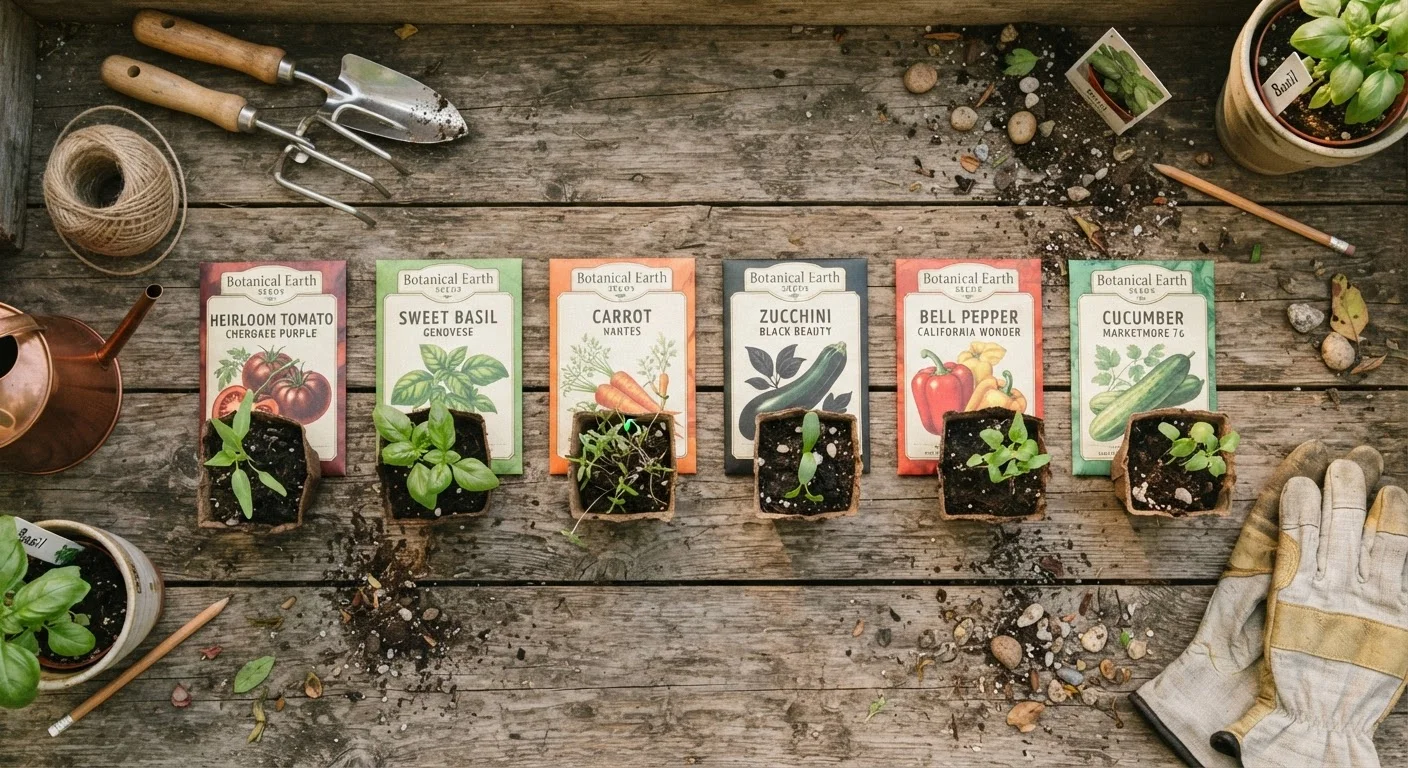
Photo: SaverSteals.com | Explore More. Shop Smarter. editorial
—— In This Article
Key Takeaways
- Seed packets typically cost a fraction of what nursery transplants cost per plant.
- Transplants eliminate weeks of indoor seed-starting labor and equipment costs.
- Seeds offer far greater variety; transplant selection is limited to what local nurseries stock.
- Hidden costs — grow lights, seed-starting mix, heat mats — can erode seed savings significantly.
- For long-season crops like tomatoes and peppers, transplants often make practical sense even for frugal gardeners.
- Combining both methods strategically tends to deliver the best balance of savings and productivity.
The Real Cost Breakdown: Seeds vs. Transplants
A single seed packet typically contains 20 to 200 seeds and costs between $2 and $5, depending on the crop and supplier. A nursery transplant of the same crop — say, a tomato or pepper — commonly runs $4 to $8 per individual plant. On a pure per-plant basis, seeds win decisively. But that math only holds if the other costs of seed starting are accounted for honestly.
To start seeds indoors successfully, most gardeners need seed-starting trays and domes, a quality germination mix, a heat mat for warm-season crops, and — critically — adequate light. A basic grow-light setup can cost $50 to $150 or more. If you are only starting a handful of plants, those equipment costs can easily exceed what you would have spent buying transplants outright. The economics improve sharply, however, if you are starting dozens of plants or plan to reuse that equipment across several seasons.
| Criterion | Seed Packets | Nursery Transplants |
|---|---|---|
| Average cost per plant | $0.05–$0.25 | $4–$8 |
| Equipment needed | Trays, lights, heat mats (indoor starts) | None beyond garden tools |
| Time to outdoor planting | 8–14 weeks (warm-season crops) | Ready at purchase |
| Variety selection | Very wide — hundreds of cultivars | Limited to nursery stock |
| Risk of failure | Higher — germination not guaranteed | Lower — plants already established |
| Best crop types | Greens, beans, carrots, direct-sown crops | Tomatoes, peppers, eggplant, celery |
| Seed saving potential | Yes, with open-pollinated varieties | Not applicable |
Direct-sown crops — those planted straight into garden soil — sidestep the equipment cost entirely. Beans, carrots, beets, radishes, peas, and most salad greens germinate reliably outdoors and do not transplant well anyway. For these crops, seeds are almost always the sensible choice. See our guide to starting a garden on a tight budget for a fuller look at where to prioritize your spending.
What Seeds Actually Save You — and Where That Savings Disappears
The variety advantage of seeds is real and often underappreciated. A well-stocked seed catalog may offer 40 tomato varieties; a local nursery might carry six to ten as transplants. If you want a specific heirloom, an unusual color, or a disease-resistant cultivar suited to your region, seeds are frequently your only option.
Seed savings also compound when you save seeds from open-pollinated and heirloom varieties at season's end. That practice can reduce your annual seed expenditure close to zero for established crops — though it requires proper drying and storage technique. Better planning habits around seed use and storage help ensure you buy only what you will actually plant, avoiding the common trap of accumulating expired packets.
20–200
Seeds per packet, depending on crop
Packet seed counts vary widely by species — small-seeded crops like lettuce yield many more seeds per packet than large-seeded crops like squash.
8–14 weeks
Typical indoor seed-starting lead time for warm-season crops
University cooperative extension services commonly recommend starting tomatoes and peppers indoors 8 to 14 weeks before the last expected frost date.
~85%
Typical germination rate listed on seed packets
Actual germination rates in home garden conditions can fall below labeled rates due to soil temperature, moisture, and seed age variability.
Where seed savings erode: attrition. A packet may list 85% germination, but real-world results depend on soil temperature, moisture consistency, and seed age. If half your tomato seeds fail and you had budgeted for a full flat, you may end up buying transplants anyway — at full retail, mid-season, when selection is thin. Building in a buffer by planting more seeds than you need is smart practice, though it requires accepting some waste.
When Transplants Are the Smarter Financial Decision
For crops that need 10 to 14 weeks of indoor growing before outdoor planting — tomatoes, peppers, eggplant, celery — transplants represent a genuine time-and-resource trade-off worth considering. If you do not already own seed-starting equipment, the cost to acquire it can be substantial. Buying six pepper transplants at $5 each ($30 total) may cost less in practice than assembling the infrastructure needed to grow them yourself.
Transplants also reduce risk in short growing seasons. In northern states, a late frost or a cold wet spring can wipe out newly germinated seedlings started too early or set out too soon. A nursery transplant is typically hardened off — gradually acclimated to outdoor conditions — before sale, giving it a resilience that tender homegrown seedlings may lack.
It is also worth considering your time as a resource. Tending seedlings under lights for 8 to 10 weeks involves daily monitoring, watering, fertilizing, and eventual hardening off. For gardeners with limited time, paying the transplant premium to skip those weeks is a legitimate choice, not a failure of frugality. This trade-off mirrors the broader question explored in our look at perennial vs. annual planting strategies — upfront cost versus long-term return.
A Practical Hybrid Approach for Budget-Conscious Gardeners
Most experienced gardeners land on a mixed strategy: seeds for crops that direct-sow easily or for varieties only available in packet form, transplants for a small number of long-season crops where the time investment in seed starting is hardest to justify.
A reasonable approach might look like this: purchase transplants for two or three tomato plants, one or two peppers, and any crops where your local season is genuinely too short for seeds. Start everything else — squash, cucumbers, beans, greens, herbs — from seed directly in the garden. This approach keeps total plant spending manageable while avoiding the fixed costs of a full seed-starting setup.
If you do invest in seed-starting equipment, consider buying seed-starting supplies in bulk where storage allows — potting mix and trays often cost less per unit in larger quantities. And whichever approach you take, pairing it with good bed preparation pays dividends. The choice between raised beds and in-ground planting also shapes how much you spend getting any plant — seed or transplant — established and productive.

Home & Garden Editorial Team
Home & Garden Editorial Team is the collective byline for our editorial team and contributor network. Articles published under this byline or an editorial pen name are researched, written, and reviewed according to our editorial standards for clarity, consistency, and independence before publication.
View author profile