
The Real Economics of Growing Your Own Vegetables
Does growing food actually save money? This honest breakdown covers inputs, yield expectations, and the conditions under which it makes financial sense.
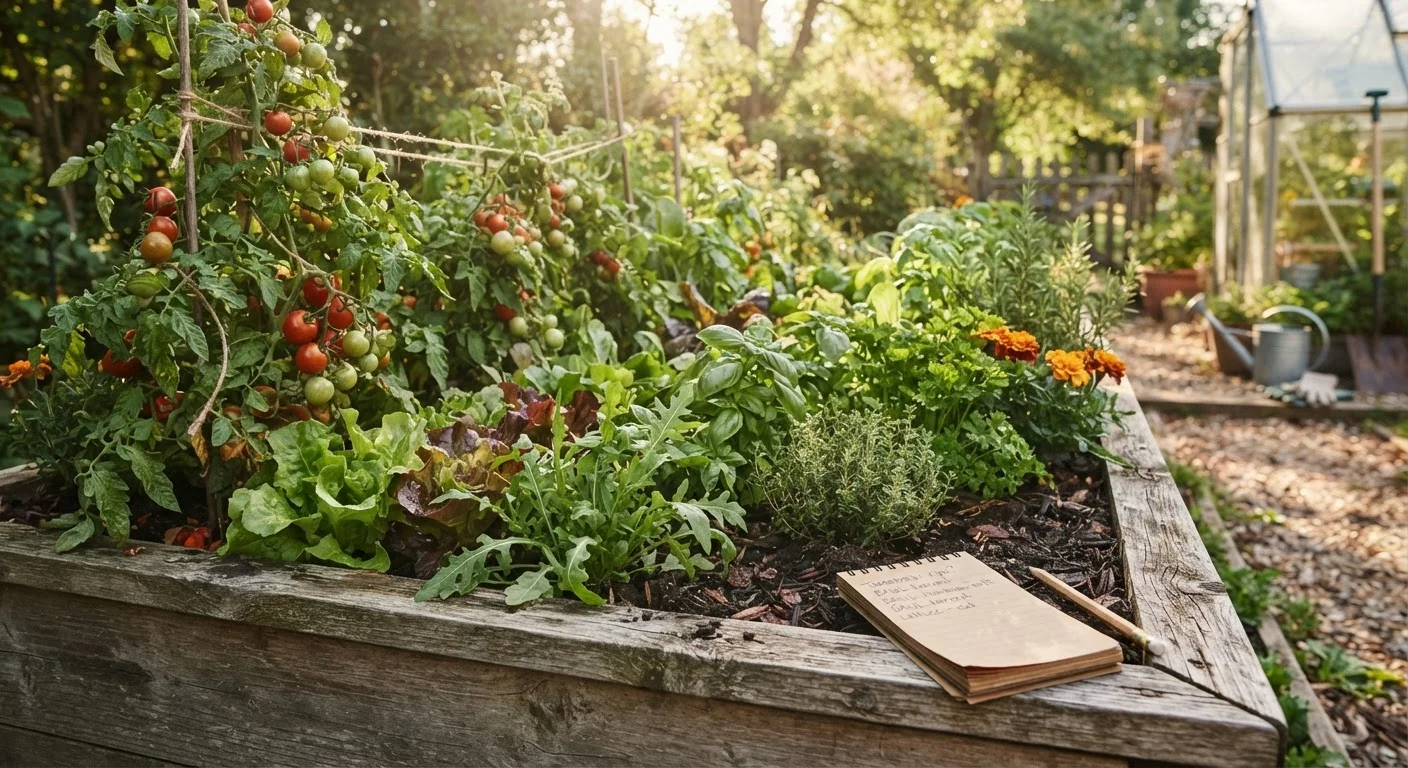
Photo: SaverSteals.com | Explore More. Shop Smarter. editorial
—— In This Article
Key Takeaways
- First-year gardening costs are almost always higher due to one-time setup expenses like tools and soil.
- High-value crops such as herbs and salad greens offer the strongest financial return per square foot.
- Water, fertiliser, and pest control are recurring costs that significantly affect your net savings.
- Saving seeds and making compost can substantially reduce costs in year two and beyond.
- Yields vary widely based on climate, care, and plant selection — realistic expectations matter.
Why the First Year Almost Always Looks Expensive
New gardeners are often surprised when their first season's harvest doesn't obviously offset what they spent to produce it. This is normal, and it reflects the front-loaded nature of gardening economics. In year one, you're typically paying for infrastructure — raised bed materials or in-ground prep, quality soil or compost, basic tools, and irrigation setup. These are largely one-time costs that get amortised over many growing seasons.
A shovel purchased this year will still be in use a decade from now. A well-built raised bed can last fifteen years or more. Once you strip out these capital costs, the actual per-season expense of gardening often drops considerably — sometimes to little more than seeds and water.
Understanding this distinction between setup costs and recurring costs is essential before drawing any conclusions about whether your garden is saving you money. If you're evaluating profitability after a single season, you're working with an incomplete picture. See our guide to starting a garden on a tight budget for strategies to reduce that initial investment.
What You're Actually Spending: A Realistic Input Breakdown
To evaluate the economics honestly, you need to account for every input — not just seeds. Common recurring costs include:
- Seeds or transplants: Starting from seed is far cheaper, but transplants save time and are sometimes necessary for crops with long growing seasons.
- Soil amendments: Compost, fertiliser, and pH adjusters add up, particularly in the first few years before your soil biology matures.
- Water: In drought-prone regions or during dry summers, supplemental irrigation adds a real cost that is easy to underestimate.
- Pest and disease management: Whether you use row covers, organic sprays, or companion planting, some level of intervention is usually needed.
Labor — your own time — is often not counted, but it is a genuine resource. Whether you value that time financially is a personal choice, but it shapes the full economic picture.
~$600
Estimated average first-year garden setup cost
Estimates from gardening extension programs suggest a typical first-season vegetable garden investment ranges from a few hundred to over $600 depending on bed size and soil needs.
Up to 90%
Cost reduction possible from seed saving
Gardening educators commonly note that saving open-pollinated seeds can eliminate nearly all annual seed expenditure once the practice is established.
$0.10–$0.30
Approximate cost per herb serving from garden
Comparative cost analyses by home economics researchers suggest home-grown herbs cost a fraction of equivalent fresh retail quantities when averaged across a full growing season.
Gardeners who track expenses carefully, rather than estimating, consistently find that certain spending habits quietly drain their garden budget without contributing to yield.
Where the Real Savings Come From: Crop Selection and Yield
Not all vegetables are created equal from a financial standpoint. The strongest returns tend to come from crops that are expensive at retail, easy to grow in most climates, and productive relative to the space they occupy.
Fresh herbs are a standout example. A small pot of basil at a grocery store can cost $3–$4 and wilt within days. A single basil plant in your garden can produce harvests all summer for a fraction of that cost in seeds or a starter transplant. Salad greens, cherry tomatoes, and climbing beans follow a similar logic.
By contrast, staple crops like potatoes, onions, and dry beans are inexpensive to purchase and require significant space and time to grow at home. The math rarely favors producing them yourself unless you have abundant land and very low water costs.
Planning your crop selection around high-value, high-yield vegetables — and resisting the urge to grow everything at once — is one of the most effective ways to make your garden financially productive. For a broader view of cost reduction across all aspects of your garden, see our complete guide to spending less across every part of your garden.
Building Toward Long-Term Savings
The strongest financial case for home vegetable gardening emerges over multiple seasons. As your soil improves, your seed-saving skills develop, and your tools are already paid for, the per-pound cost of your harvest declines steadily.
Composting kitchen and garden waste eliminates or reduces the need to purchase bagged amendments. Saving seeds from open-pollinated varieties — those that reliably reproduce true to type — can bring your annual seed cost close to zero over time. Collecting rainwater, where local rules allow, reduces irrigation expenses.
These habits compound. A gardener in their fifth season is operating with dramatically lower input costs than a first-year gardener, while harvesting from soil that has been built up and refined. That's when the economics genuinely shift in the garden's favor for a wider range of crops.
Planning also plays a major role. Reducing waste through better planning — buying only the seeds you'll use, starting only the transplants you have space for — prevents the quiet losses that erode potential savings season after season.
Frequently Asked Questions

Home & Garden Editorial Team
Home & Garden Editorial Team is the collective byline for our editorial team and contributor network. Articles published under this byline or an editorial pen name are researched, written, and reviewed according to our editorial standards for clarity, consistency, and independence before publication.
View author profile