
Ways Gardeners Overspend Without Realising It
Duplicate tools, impulse plant buys, and over-amended soil are among the most common budget leaks in home gardening. Here's what to watch for.
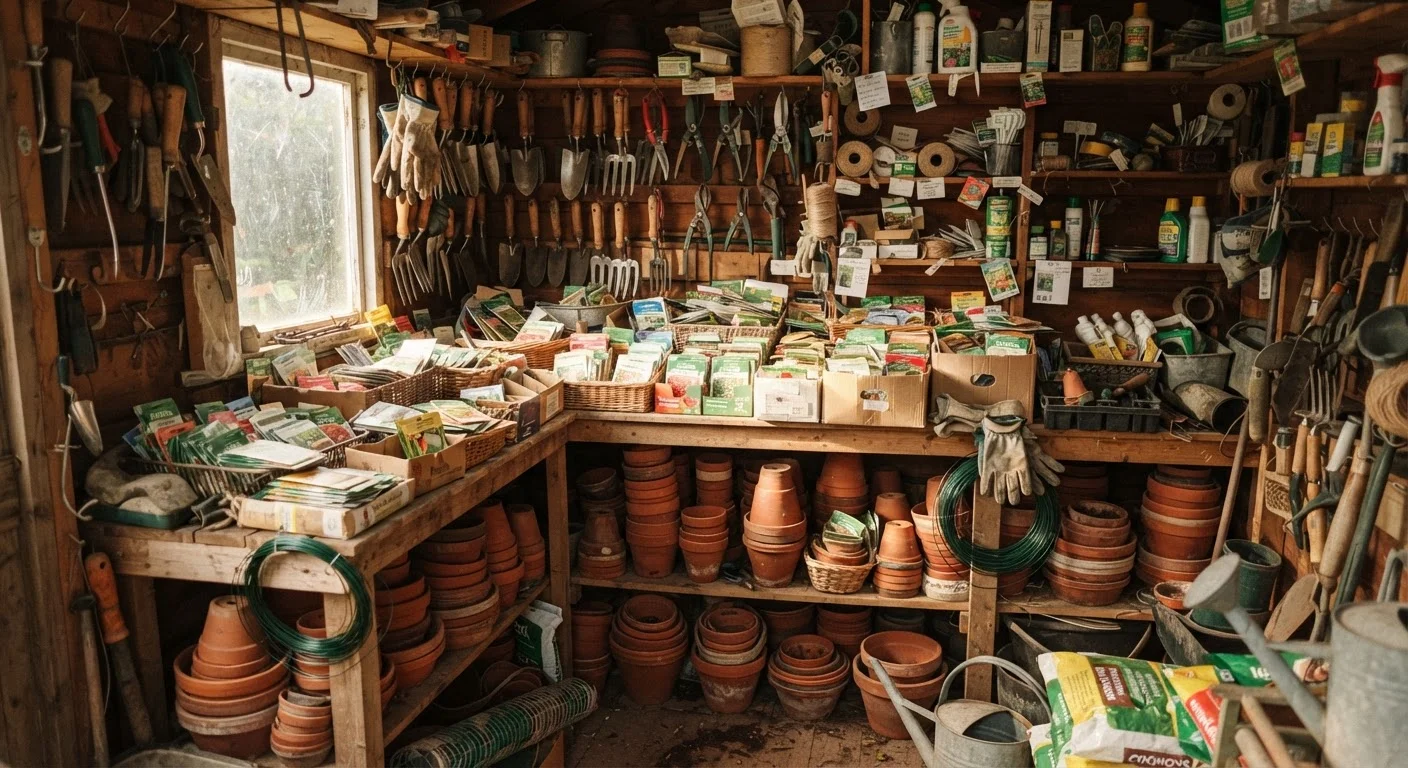
Photo: SaverSteals.com | Explore More. Shop Smarter. editorial
—— In This Article
Key Takeaways
- Impulse plant purchases at nurseries are one of the most common and avoidable sources of garden overspending.
- Duplicate tools often accumulate when gardeners buy without first checking what they already own.
- Over-amending soil with unnecessary additives wastes money and can harm plant health.
- Buying seeds or supplies in formats that don't suit your garden scale often leads to waste.
- A simple plan made before each shopping trip can prevent most budget leaks in the garden.
Why Gardeners Spend More Than They Intend To
Gardening is easy to love and surprisingly easy to overspend on. The spending rarely happens in one large, obvious transaction — it accumulates through small, repeated decisions that each feel reasonable at the time. A plant that catches your eye, a second trowel because you can't find the first, a bag of amendment that seemed like a good idea. By the end of a season, the total can be well above what any gardener intended.
Most of this overspending doesn't come from carelessness. It comes from a lack of structure: no inventory, no planting plan, no soil data. The good news is that the same habits that prevent overspending also tend to produce better growing results. If you're starting out and trying to set a sensible baseline, building a garden on a tight budget covers where to focus your initial dollars.
~30%
Of garden spending estimated to be avoidable
Consumer research from gardening industry surveys consistently suggests a significant share of annual garden spending goes to products that are unused, duplicated, or unsuited to the buyer's actual conditions.
3–5×
Typical price difference between peak and off-peak plant purchases
Nursery pricing for popular annuals and perennials tends to be markedly higher during peak spring weeks compared to late-season or early-spring pre-order pricing.
The Most Common Budget Leaks — and How to Close Them
The mistakes below represent the patterns we see most consistently among home gardeners who are trying to spend less but struggling to make it stick. Each one is avoidable with a modest amount of planning.
Buying plants on impulse without checking whether they suit your space or climate zone.
Why it happens: Nurseries and garden centers are designed to encourage browsing, and healthy, blooming plants are hard to walk past. Gardeners often buy based on appearance rather than checking growth requirements or available space.
Accumulating duplicate tools by forgetting what's already in the shed.
Why it happens: Tools get misplaced, stored poorly, or buried under clutter, making it easier to buy another than to search. Over several seasons, this creates a collection of near-identical trowels, pruners, and cultivators.
Over-amending soil with fertilizers, compost, and additives beyond what the garden actually requires.
Why it happens: Gardeners are often told that "more is better" when it comes to soil health, and product marketing reinforces this. Without a soil test, it's easy to apply amendments out of habit or anxiety rather than need.
Purchasing seeds or starts in quantities far beyond what a small garden can realistically support.
Why it happens: Bulk seed packets and multi-pack plant starts often appear to offer better value per unit, making larger quantities feel financially smart even when garden space is limited.
Replacing functional tools prematurely because newer models appear more capable.
Why it happens: Garden tool marketing emphasizes features and ergonomics, making older but fully serviceable tools feel inadequate. Gardeners may upgrade without assessing whether the existing tool actually limits their results.
Skipping seasonal planning, resulting in last-minute purchases at peak prices.
Why it happens: Gardening enthusiasm often peaks in spring when everything is already at full price. Without a plan made in late winter, gardeners scramble and pay premium prices for seeds, starts, and supplies.
Soil Testing Saves Real Money
Adding amendments without knowing your soil's current nutrient levels is one of the most costly habits in gardening. A basic soil test — available through many county cooperative extension offices for a low fee — tells you exactly what your soil needs before you spend anything on amendments. Treating a deficiency that doesn't exist can acidify or unbalance soil, leading to further corrective costs down the line.
For a broader view of how these habits fit into overall garden spending, a complete guide to reducing garden costs covers every major category from soil prep to pest control.
Nursery Clearance Sections Aren't Always Deals
Discounted plants that are root-bound, stressed, or disease-affected may cost less upfront but require extra soil, fertilizer, or replacement — erasing any savings. Before buying a marked-down plant, check the root structure, foliage health, and whether it suits your current season. A cheaper plant that fails is more expensive than a healthy one at full price.
Understanding where your money actually goes is the first step. The real economics of growing your own vegetables offers a candid look at whether the garden is genuinely saving you money — and under what conditions it realistically can.

Home & Garden Editorial Team
Home & Garden Editorial Team is the collective byline for our editorial team and contributor network. Articles published under this byline or an editorial pen name are researched, written, and reviewed according to our editorial standards for clarity, consistency, and independence before publication.
View author profile