
The Difference Between Soluble and Insoluble Fiber — and Why Both Matter
Fiber isn't one-size-fits-all. Understand how soluble and insoluble fiber behave differently in the body and which foods supply each type.
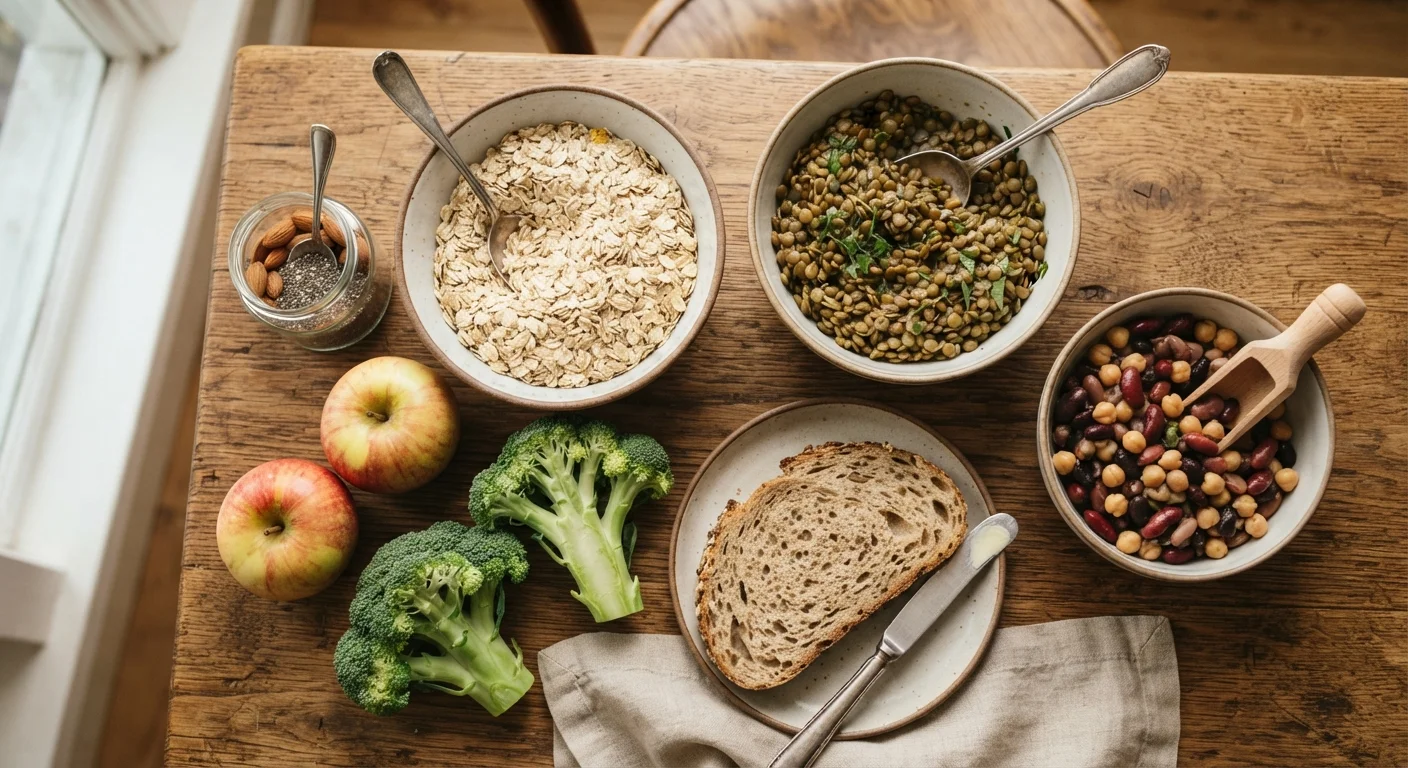
Photo: SaverSteals.com editorial
—— In This Article
Key Takeaways
- Soluble fiber dissolves in water and forms a gel that slows digestion, helping manage blood sugar and cholesterol.
- Insoluble fiber does not dissolve in water and adds bulk to stool, supporting regular bowel movements.
- Most plant foods contain both types of fiber, though proportions vary by food source.
- Adults in the U.S. consume far less fiber than recommended daily guidelines suggest.
- Eating a varied diet rich in fruits, vegetables, legumes, and whole grains provides both fiber types naturally.
What Is Dietary Fiber, and Why Does Type Matter?
Dietary fiber is a category of carbohydrate found exclusively in plant foods that the human body cannot fully digest. Unlike starches and sugars, fiber passes largely intact through the stomach and small intestine, reaching the large intestine where it has significant physiological effects.
What many people don't realize is that fiber is not a single substance. It encompasses a broad range of plant compounds, broadly divided into two functional categories: soluble fiber and insoluble fiber. These two types behave differently in the digestive system and offer distinct — though complementary — health benefits. Understanding both helps explain why nutrition guidance consistently emphasizes eating a variety of fiber-rich foods rather than fixating on one type.
| Criterion | Soluble Fiber | Insoluble Fiber |
|---|---|---|
| Dissolves in water | Yes — forms a viscous gel | No — retains solid structure |
| Primary digestive effect | Slows digestion and absorption | Speeds intestinal transit |
| Blood sugar impact | Blunts post-meal glucose spikes | Minimal direct effect |
| Cholesterol management | Binds bile acids; lowers LDL | Little direct effect |
| Gut bacteria support | Acts as prebiotic when fermented | Less fermentable; indirect benefit |
| Bowel regularity | Moderate benefit | Strong benefit; reduces constipation |
| Key food sources | Oats, legumes, apples, barley | Wheat bran, nuts, vegetable skins |
Soluble Fiber: How It Works and Where to Find It
Soluble fiber dissolves in water to form a thick, viscous gel inside the digestive tract. This gel slows the rate at which food moves from the stomach into the small intestine — a process that has measurable downstream effects.
Key health effects of soluble fiber:
- Blood sugar regulation: By slowing carbohydrate absorption, soluble fiber blunts post-meal spikes in blood glucose. This mechanism is well-documented and relevant to both blood sugar management and long-term metabolic health.
- Cholesterol reduction: Soluble fiber binds to bile acids (which are made from cholesterol) in the intestine and helps carry them out of the body. Research published in peer-reviewed nutrition journals consistently links higher soluble fiber intake with modest reductions in LDL cholesterol.
- Gut microbiome support: Many soluble fibers — particularly beta-glucan and inulin — serve as prebiotics, meaning they are fermented by beneficial bacteria in the colon. This fermentation produces short-chain fatty acids that support colon cell health and immune function.
Common food sources of soluble fiber:
- Oats and oat bran
- Legumes (lentils, black beans, chickpeas)
- Apples and citrus fruits (especially the inner flesh and pith)
- Barley
- Psyllium husk
- Flaxseeds
~15 g
Average daily fiber intake in U.S. adults
National dietary intake data consistently shows American adults consume roughly half the recommended daily fiber amount.
22–34 g
Recommended daily fiber intake for adults
The U.S. Dietary Guidelines for Americans set fiber recommendations based on age and sex, with most adults falling in this range.
5–10 g
Soluble fiber associated with cholesterol reduction
Research suggests that consuming approximately 5–10 grams of soluble fiber daily is associated with modest reductions in LDL cholesterol levels.
Insoluble Fiber: The Digestive Workhorse
Insoluble fiber does not dissolve in water. Instead of forming a gel, it retains its structure and passes through the digestive system largely intact, adding physical bulk to stool and promoting more efficient movement through the intestines.
Key health effects of insoluble fiber:
- Bowel regularity: By increasing stool bulk and accelerating transit time through the colon, insoluble fiber helps reduce the likelihood of constipation. This is the mechanism behind the longstanding advice to eat more "roughage."
- Reduced digestive discomfort: Regular bowel movements supported by insoluble fiber may help ease symptoms such as bloating and straining associated with sluggish digestion.
- Colon health: Faster transit time means that potential irritants spend less time in contact with the intestinal lining, which researchers have hypothesized may play a role in long-term colon health — though this remains an active area of investigation.
Common food sources of insoluble fiber:
- Whole wheat flour and wheat bran
- Brown rice and whole grain cereals
- Broccoli, cauliflower, and leafy greens
- Nuts and seeds (skin-on)
- The skin of fruits and vegetables (e.g., apple skin, potato skin)
Most Foods Contain Both Fiber Types
It's a common misconception that a given food delivers only one type of fiber. In reality, virtually all fiber-rich plant foods contain both soluble and insoluble fiber — just in different proportions. An oat, for example, is particularly high in soluble beta-glucan but also provides insoluble fiber. This means focusing on overall dietary variety across fruits, vegetables, legumes, and whole grains naturally covers both types without the need for rigid tracking.
Practical Tips for Getting Both Types Every Day
The good news is that most whole plant foods naturally contain both soluble and insoluble fiber in varying ratios, so eating a diverse, plant-forward diet will typically supply both without requiring elaborate planning.
The U.S. Dietary Guidelines recommend 22–34 grams of total fiber per day for adults, depending on age and sex — yet national dietary surveys consistently show Americans average only around 15 grams daily. Closing that gap matters for both types.
Practical strategies to increase both fiber types:
- Keep the skin on fruits and vegetables when safe to eat — this is where insoluble fiber concentrates.
- Choose whole grains over refined grains — switching from white rice to brown rice or white bread to 100% whole grain adds both types.
- Add legumes to meals several times per week — lentils and beans are among the most fiber-dense foods available, offering a favorable mix of both types.
- Start breakfast with oats — a simple, evidence-backed way to meaningfully increase soluble fiber intake daily.
- Increase fiber gradually and drink adequate water to minimize gas and bloating that can occur when fiber intake rises quickly.
This article is for general informational and educational purposes only. It is not a substitute for personalized medical or dietary advice. If you have a digestive condition, diabetes, heart disease, or other health concern that may be affected by dietary changes, consult a qualified healthcare professional before making significant adjustments to your diet.

Health Editorial Team
Health Editorial Team is the collective byline for our editorial team and contributor network. Articles published under this byline or an editorial pen name are researched, written, and reviewed according to our editorial standards for clarity, consistency, and independence before publication.
View author profile