
Sodium in the American Diet: Where Most of It Actually Comes From
Most dietary sodium doesn't come from the salt shaker. Discover which food categories contribute the most and what that means for everyday choices.
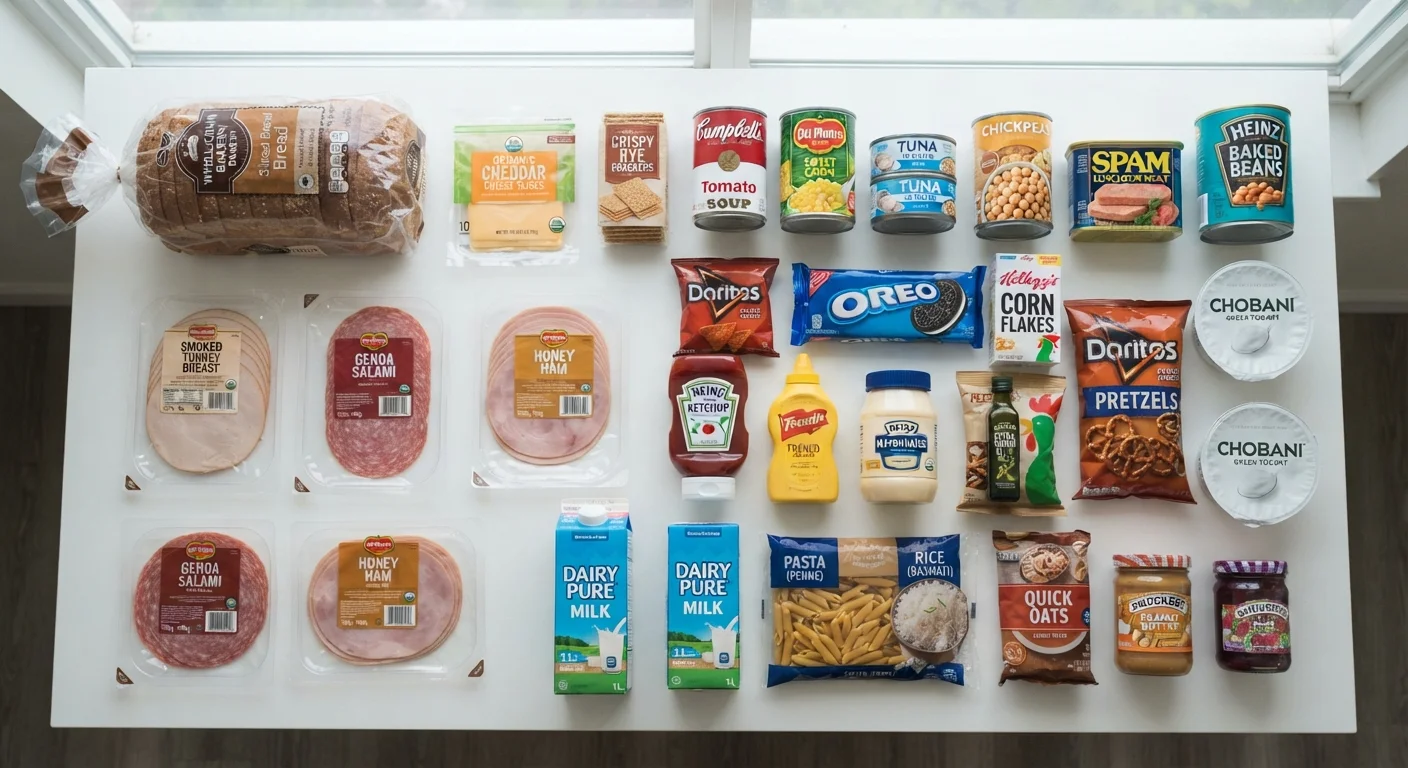
Photo: SaverSteals.com editorial
—— In This Article
Key Takeaways
- More than 70% of the sodium Americans eat comes from packaged and restaurant foods, not the salt shaker.
- Bread and rolls are consistently ranked among the top single sources of sodium in the U.S. diet.
- Sodium is often invisible — foods that taste bland or sweet can still be high in sodium.
- Reading the Nutrition Facts label is the most reliable way to track sodium intake across packaged foods.
- Reducing sodium is cumulative — small reductions across multiple food categories add up meaningfully.
The Salt Shaker Is Not the Main Problem
Most people, when asked to cut back on sodium, think immediately of reaching for the salt shaker less often. It is a reasonable instinct — but it targets the wrong source. Research from the U.S. Centers for Disease Control and Prevention (CDC) consistently shows that roughly 70% or more of the sodium Americans consume comes from processed and commercially prepared foods, not from salt added during cooking or at the table.
The remaining sodium comes from a mix of naturally occurring sodium in foods (a small fraction) and discretionary salt added at home. This means that even a person who never touches a salt shaker could still be consuming well above recommended levels without realizing it.
>70%
Sodium from processed and restaurant foods
The CDC estimates that more than 70% of American sodium intake comes from packaged and commercially prepared foods, not home cooking or table salt.
3,400 mg
Average daily sodium intake for U.S. adults
The CDC reports that American adults consume an average of about 3,400 mg of sodium per day — nearly 50% above the 2,300 mg daily limit recommended in the Dietary Guidelines for Americans.
~40%
Sodium reduction from rinsing canned beans
Research published in nutrition journals suggests that draining and rinsing canned legumes can reduce their sodium content by approximately 40%, a simple preparation step with measurable impact.
The Food Categories That Contribute the Most
The CDC has identified a recurring group of food categories — sometimes called the "Salty Six" — that together account for a large share of sodium intake in the American diet:
- Bread and rolls: The single most significant contributor by volume. A typical slice of commercial sandwich bread contains 100–200 mg of sodium, and most people eat multiple slices daily.
- Pizza: Combines several high-sodium components — cured meats, cheese, sauce, and processed dough — in a single dish.
- Sandwiches: Deli meats, condiments, and bread layer sodium from multiple directions simultaneously.
- Cold cuts and cured meats: Sodium is used as a preservative and flavor enhancer; a few slices can deliver several hundred milligrams.
- Soups: Canned and restaurant soups are notoriously high in sodium, with a single serving often exceeding 800 mg.
- Burritos and tacos: Like pizza, these combine multiple sodium-dense components in one meal.
Cheese, poultry products (often injected with saline solutions), and savory snacks round out the major contributors.
Sodium Sensitivity Varies by Individual
Not everyone's blood pressure responds to sodium in the same way. Research identifies a subset of the population as "sodium-sensitive," meaning their blood pressure rises more noticeably with increased sodium intake. Older adults, people of African descent, and those with diabetes or chronic kidney disease tend to show higher sodium sensitivity on average. If you have a relevant health condition, discuss your specific sodium targets with a healthcare provider rather than relying on general guidelines alone.
Why Sodium Hides in Unexpected Places
One reason sodium is difficult to manage is that high-sodium foods do not always taste salty. Cottage cheese, breakfast cereals, instant oatmeal packets, and even some sweet pastries can carry significant sodium loads. Food manufacturers use sodium for multiple functional purposes beyond flavor: it acts as a preservative, improves texture, extends shelf life, and masks bitter notes.
The Nutrition Facts label is the most practical tool available to consumers. The % Daily Value (%DV) for sodium on a label uses 2,300 mg as the reference amount — 5% DV or less per serving is considered low, while 20% DV or more is considered high. Comparing labels across similar products can reveal meaningful differences, even within the same food category.
Use the % Daily Value as a Quick Guide
When comparing packaged foods, look for products with 5% DV or less for sodium per serving — that qualifies as low sodium. Products at 20% DV or above are considered high. This quick benchmark works across any food category and requires no calculation.
What This Means for Everyday Choices
Understanding where sodium actually comes from reframes how people can approach reduction. Rather than eliminating one food entirely, modest shifts across several food categories tend to be more effective and sustainable. For example, choosing a lower-sodium bread, rinsing canned beans before use, and selecting reduced-sodium broth when cooking can collectively reduce daily intake by several hundred milligrams without dramatic dietary changes.
Frequency matters as much as quantity. A food with moderate sodium eaten three times a day contributes far more than a higher-sodium food eaten occasionally. Tracking how often certain foods appear in your routine — not just how much sodium they contain per serving — gives a more accurate picture of where reductions would have the greatest impact.
This article is for general informational and educational purposes only and is not a substitute for professional medical or dietary advice. If you have questions about sodium intake related to a health condition such as hypertension or kidney disease, consult a qualified healthcare provider.
Frequently Asked Questions

Health Editorial Team
Health Editorial Team is the collective byline for our editorial team and contributor network. Articles published under this byline or an editorial pen name are researched, written, and reviewed according to our editorial standards for clarity, consistency, and independence before publication.
View author profile