
Flexibility, Mobility, and Stretching: Understanding the Differences
Flexibility and mobility aren't the same thing. Learn what each means, why both matter, and how stretching fits into a balanced routine.
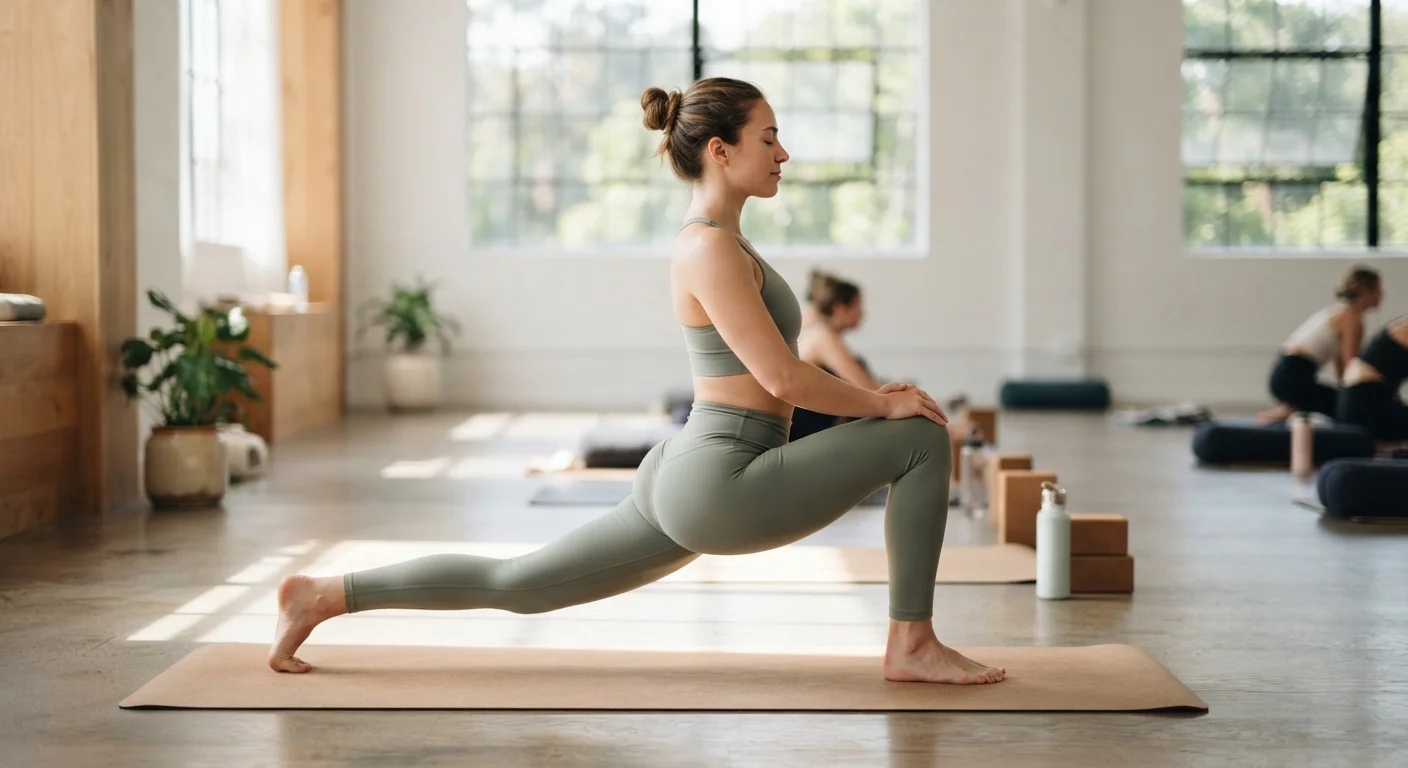
Photo: SaverSteals.com editorial
—— In This Article
Key Takeaways
- Flexibility and mobility are related but not interchangeable — each requires its own training emphasis.
- You can be flexible without being mobile if you lack strength and control through your range of motion.
- Stretching improves flexibility, but full mobility training also includes strength and movement practice.
- Both qualities decline with age and inactivity but respond well to consistent, targeted exercise.
- Improving mobility often has a more direct impact on daily movement and injury resilience than flexibility alone.
Why the Distinction Actually Matters
Most people use "flexibility" and "mobility" interchangeably at the gym, in yoga classes, and across fitness content. Exercise science draws a clear line between them — and understanding that line changes how you train and what results you can expect.
Someone who scores high on a passive hamstring stretch test may still struggle to perform a proper squat or deadlift hinge. That gap — plenty of tissue length, poor active control — illustrates exactly why flexibility and mobility are separate qualities. Improving one does not automatically improve the other.
This distinction also matters for injury resilience and daily function. Research in movement science consistently links mobility deficits — particularly in the hips, ankles, and thoracic spine — to compensatory patterns that load joints unevenly over time. Flexibility, while valuable, is a narrower quality. See our guide to common exercise myths for more science-backed corrections to fitness misconceptions.
Flexibility and Mobility Both Decline Without Use
Neither quality is permanently fixed. Sedentary periods — even weeks of reduced activity — can meaningfully reduce joint range and tissue extensibility. The encouraging flip side is that both qualities respond to training at any age. Consistency over months matters more than intensity in any single session.
Breaking Down Each Term
Flexibility
Flexibility describes how much a muscle, tendon, or fascial tissue can lengthen when an external force is applied — your own body weight, a partner's assistance, or gravity. It is largely a passive quality. When you hold a seated forward fold and feel a pull along your hamstrings, you are working within the realm of flexibility.
Mobility
Mobility describes how far and how well a joint can move actively — driven by your own muscles — through its intended range of motion. A healthy hip, for example, should be able to flex, extend, internally rotate, and externally rotate within functional limits under your own control. Mobility training targets the nervous system and muscular strength at end ranges, not just tissue length.
Stretching
Stretching is a training method — one of several — used to influence flexibility and, to some degree, mobility. Static stretching (holding a position for 20–60 seconds) is the most familiar form. Dynamic stretching (moving in and out of ranges rhythmically) warms tissue and primes the nervous system. PNF (proprioceptive neuromuscular facilitation) techniques, which involve contracting and releasing muscles through a stretch, are among the most effective for producing lasting flexibility gains, according to exercise physiology research.
~30%
Decline in joint range of motion with age
Research in exercise physiology indicates that range of motion can decline by roughly 20–30% between young adulthood and older age without targeted training to maintain it.
30 sec
Optimal static stretch hold duration
A frequently cited finding in flexibility research suggests that holding a static stretch for approximately 30 seconds produces meaningful gains in muscle length, with diminishing returns beyond that duration for most populations.
How Stretching Fits Into a Balanced Routine
Stretching is a tool, not a complete mobility program. To build functional mobility, you need to layer in active range exercises — movements where your muscles drive you into and through end-range positions — alongside passive flexibility work. Examples include leg swings, hip circles, deep squat holds with active engagement, and resistance-based exercises performed through full joint range.
Timing also matters. Dynamic, active warm-up movements before a workout help prepare joints and tissues for load. Prolonged static stretching is generally better placed after exercise or in a dedicated session, when muscles are warm and the goal is tissue lengthening rather than power output.
Understanding how much weekly exercise adults need can help you find space for mobility work within your existing routine without overhauling it entirely.
Start With Active, Not Passive
When beginning a mobility practice, prioritize active exercises — leg swings, hip circles, and cat-cow movements — over long static holds. Active work teaches your nervous system to use the range you have, which produces more functional improvement for daily movement than passive stretching alone.
Practical Takeaways for Everyday Movement
You do not need to overhaul your routine to see meaningful improvements in flexibility and mobility. Consistent, intentional practice — even brief daily sessions — produces measurable change in joint range and tissue quality over weeks.
Focus on the joints most relevant to your lifestyle and common movement patterns. Desk workers often benefit from hip flexor and thoracic mobility work. Runners frequently need ankle mobility and calf flexibility. Beginners can start with a short daily routine of dynamic movements and held stretches across major joints.
Because flexibility and mobility decline gradually with age and inactivity, integrating this type of work early and maintaining it consistently tends to be more effective than trying to recover lost range later. If you have a specific injury, chronic pain, or a medical condition affecting your joints, consult a qualified physical therapist or healthcare provider before beginning a new stretching or mobility program.
This article is for general informational and educational purposes only and is not a substitute for professional medical or physical therapy advice. Always consult a qualified healthcare provider before starting a new exercise program, especially if you have existing injuries or health conditions.
Frequently Asked Questions

Health Editorial Team
Health Editorial Team is the collective byline for our editorial team and contributor network. Articles published under this byline or an editorial pen name are researched, written, and reviewed according to our editorial standards for clarity, consistency, and independence before publication.
View author profile