
Exercise Approaches Worth Exploring for People Over 50
Physical activity needs shift with age. This overview covers strength, balance, and cardio considerations relevant to adults over 50.
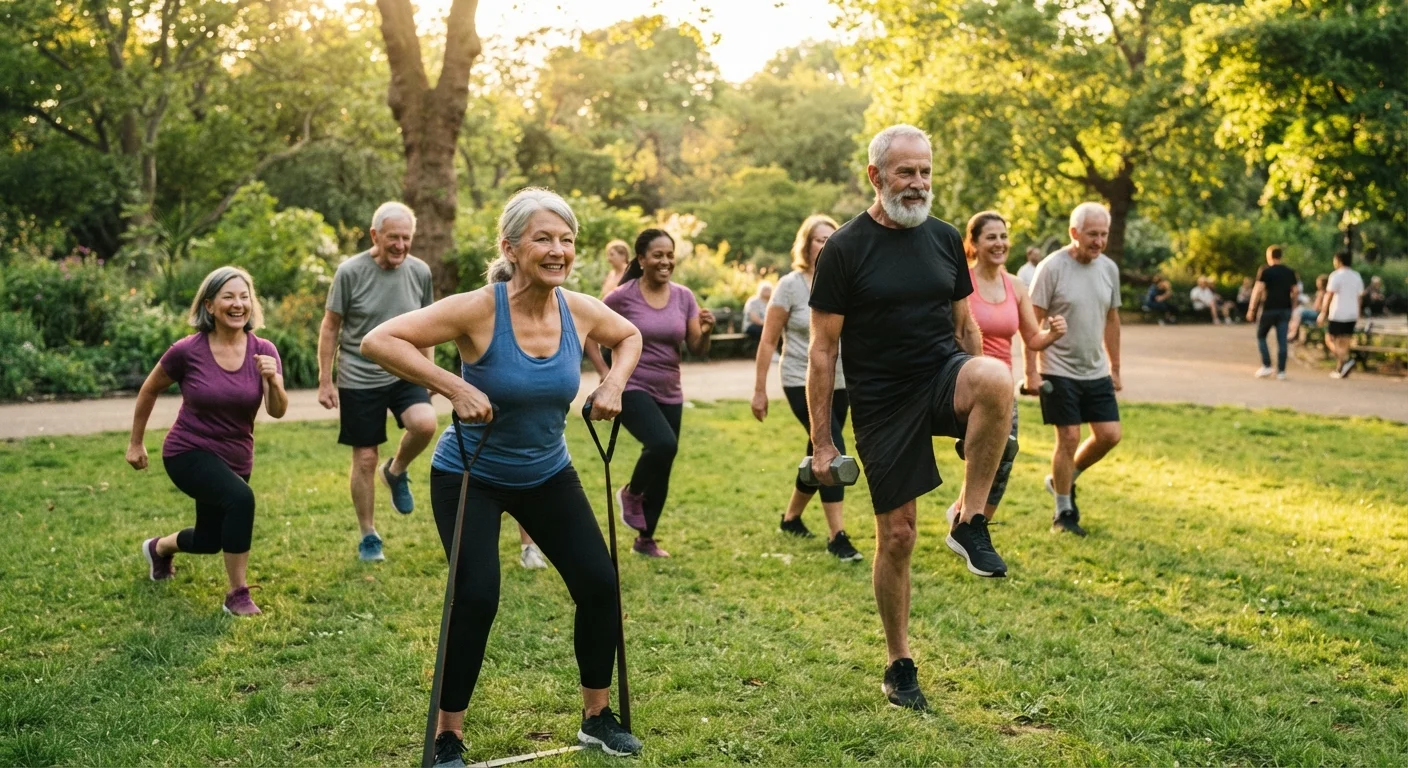
Photo: SaverSteals.com editorial
—— In This Article
Key Takeaways
- Strength training helps counter age-related muscle loss and supports bone density after 50.
- Balance and flexibility work meaningfully reduces fall risk, a leading cause of injury in older adults.
- Low-impact cardio options preserve cardiovascular health without excessive joint stress.
- Recovery time naturally increases with age — building rest into your schedule is not optional.
- Consistency over intensity is the most evidence-supported approach for long-term fitness gains.
Why Exercise Needs Change After 50
After age 50, the body undergoes measurable physiological shifts: muscle mass tends to decline at roughly 1–2% per year (a process called sarcopenia), bone density decreases, and joint cartilage becomes less resilient. Cardiovascular efficiency also changes, and recovery from physical stress takes longer than it did at 30.
None of this means exercise becomes less important — research consistently shows the opposite. Physical activity in this age group is associated with reduced risk of chronic disease, better cognitive function, improved mood, and greater independence. The key is matching your approach to where your body actually is, rather than where it was two decades ago.
The five approaches below draw on established exercise science and are well-suited to adults beginning or re-entering a fitness routine after 50. As always, this is general educational information — consult a qualified healthcare provider or certified fitness professional before starting any new exercise program, particularly if you have existing health conditions.
Start with a movement screen or fitness assessment
Many community centers, YMCAs, and physical therapy practices offer fitness assessments for older adults. A brief evaluation can identify mobility limitations, muscle imbalances, or cardiovascular considerations before you begin — making your program safer and more targeted from day one. This is especially worthwhile if you've been sedentary for an extended period.
Five Exercise Approaches Worth Considering
Resistance Training with Manageable Loads
Strength training is arguably the highest-priority exercise category for adults over 50. Preserving or rebuilding muscle mass supports metabolic health, protects joints, and makes everyday tasks — carrying groceries, climbing stairs — easier and safer.
Research supports starting with bodyweight movements (squats, push-up progressions, step-ups) or light resistance bands before advancing to free weights or machines. Two sessions per week targeting major muscle groups is a widely cited evidence-based starting point. Prioritize controlled movement and proper alignment over the amount of weight lifted.
Strength training twice a week can meaningfully counter age-related muscle loss in adults over 50.
Balance and Stability Work
Falls are a leading cause of injury among older adults, and balance deteriorates measurably with age if it isn't actively trained. The good news: balance responds well to targeted practice, even when started later in life.
Simple exercises such as single-leg stands, heel-to-toe walks, and standing hip abductions can be performed at home without equipment. Tai chi has a particularly strong evidence base for fall prevention in this age group, combining slow deliberate movement with postural awareness and mental focus. Even 10–15 minutes of balance-focused activity several times per week can produce functional improvements.
Balance training is one of the most direct ways to reduce fall risk — and it responds quickly to consistent practice.
Low-Impact Cardiovascular Activity
Aerobic fitness supports heart health, blood pressure regulation, weight management, and mood — all areas of heightened importance after 50. High-impact options like running can be appropriate for some adults, but low-impact alternatives reduce joint stress while delivering comparable cardiovascular benefits.
Walking remains one of the most accessible and well-studied forms of exercise at any age. Swimming and water aerobics are particularly valuable for those with arthritis or joint pain, as buoyancy reduces load. Cycling — stationary or on a path — is another joint-friendly option that can be easily adjusted for intensity. Aim for moderate-intensity sessions where conversation is possible but somewhat effortful.
Low-impact cardio like walking and swimming delivers strong cardiovascular benefits with significantly less joint strain.
Flexibility and Mobility Stretching
Flexibility naturally decreases with age as connective tissue becomes stiffer and range of motion narrows. Without deliberate maintenance, this can affect posture, increase injury risk, and limit the quality of other exercise.
Static stretching (holding a stretch for 20–30 seconds) after workouts when muscles are warm is a standard recommendation. Yoga — particularly gentler styles such as hatha or restorative yoga — combines flexibility work with body awareness and controlled breathing. Mobility drills that move joints through their full range (hip circles, shoulder rolls, thoracic rotations) are also useful, especially before activity as part of a warm-up.
Consistent flexibility and mobility work protects range of motion and reduces injury risk as connective tissue changes with age.
Intentional Recovery and Rest
Recovery is not the absence of training — it is a physiological requirement. Muscle repair, hormonal balance, and nervous system recovery all happen during rest, and these processes slow somewhat with age. Inadequate recovery is one of the more common reasons older adults experience overuse injuries or chronic fatigue from exercise.
Spacing strength sessions with at least 48 hours between them is a standard guideline. Sleep quality is closely linked to physical recovery and is worth addressing independently if it's a persistent issue. Lighter active recovery days — easy walks, gentle stretching — can maintain momentum without adding stress to the system.
Recovery is a training variable, not a reward — adults over 50 should schedule it as deliberately as their workouts.
A note on intensity and progression
More intense exercise is not automatically more beneficial. For adults over 50, moderate-intensity effort — where you can hold a conversation but feel genuinely challenged — is a well-supported target for most aerobic sessions. Strength training progression should be gradual: increase load or reps only when the current level feels consistently manageable with good form. Rapid progression is a common driver of injury in this age group.
For a broader look at weekly activity targets, see our overview of physical activity guidelines for adults. And if you already have a routine that feels stale or exhausting, these signs may indicate it needs an adjustment.
Building a Sustainable Practice
The most effective exercise plan is one you can maintain over months and years, not one that delivers fast results and leads to burnout or injury. Understanding why people fall off their routines — and what habits keep them going is especially relevant for adults over 50, where life demands and physical variability make rigid programs harder to sustain.
Start with two or three sessions per week, focus on form over load, and give yourself permission to progress slowly. Small, consistent steps compound meaningfully over time.
This article is for general informational and educational purposes only and is not a substitute for professional medical or fitness advice. Speak with your healthcare provider before beginning any new exercise program.

Health Editorial Team
Health Editorial Team is the collective byline for our editorial team and contributor network. Articles published under this byline or an editorial pen name are researched, written, and reviewed according to our editorial standards for clarity, consistency, and independence before publication.
View author profile