
The Upsides and Downsides of Secured Credit Cards
Secured credit cards can help build or rebuild credit, but they come with trade-offs worth understanding before you apply.
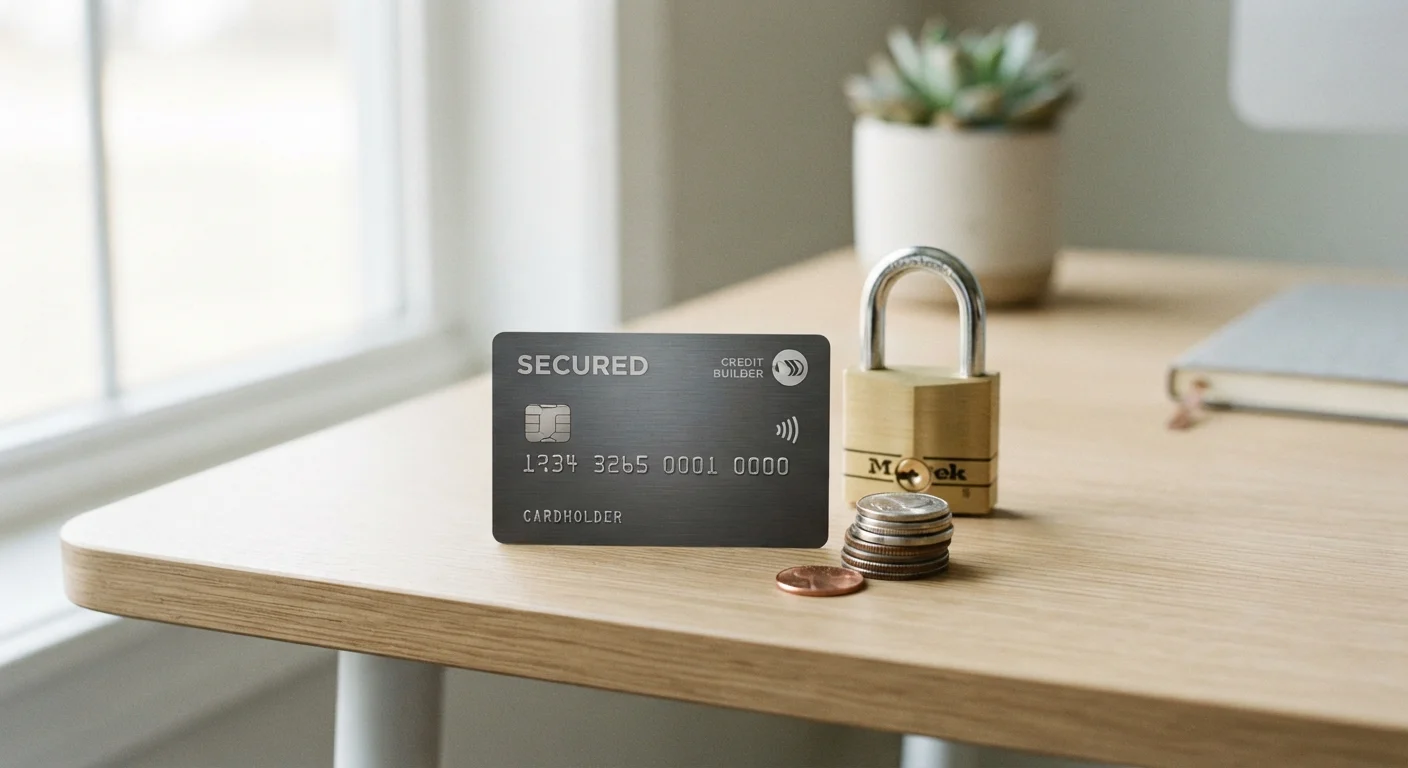
Photo: SaverSteals.com editorial
—— In This Article
Key Takeaways
- Secured credit cards require a refundable cash deposit that typically sets your credit limit.
- They report to major credit bureaus, helping cardholders build or rebuild a credit history.
- Annual fees, high APRs, and low credit limits are common drawbacks worth evaluating before applying.
- Responsible use — on-time payments and low balances — drives the credit-building benefit.
- Many issuers offer a path to upgrade to an unsecured card after a period of responsible use.
Accessible with no or poor credit history
Because the deposit mitigates issuer risk, approval requirements are generally far less stringent than for unsecured cards, making them one of the few credit products available to people just starting out or recovering from financial difficulties.
Reports to major credit bureaus
Account activity — including payment history and utilisation — is reported to the credit bureaus, allowing cardholders to establish a verifiable credit record that lenders reference when evaluating future applications.
Deposit is typically refundable
When the account is closed in good standing or upgraded to an unsecured card, issuers generally return the security deposit, meaning the upfront cash is not lost — only temporarily held.
Can serve as a stepping stone to better products
Many issuers review accounts after six to twelve months and may offer a transition to an unsecured card, often returning the deposit and raising the credit limit as a reward for responsible use.
Encourages disciplined spending habits
Low credit limits naturally constrain spending, which can help cardholders practice keeping balances manageable — a behaviour that directly benefits credit utilisation ratios.
Upfront cash deposit required
Tying up $200–$500 in a deposit can be a meaningful financial burden for those with limited savings, and that cash earns little or no interest while it remains with the issuer.
Annual fees can be disproportionately high
Some secured cards charge annual fees ranging from $25 to well over $75 on a $200 credit limit, which represents a significant percentage of the available credit and reduces the card's overall value.
Interest rates are typically very high
APRs on secured cards are frequently above 25%, making any carried balance expensive. Cardholders who do not pay in full each month can accumulate debt that outweighs the credit-building benefit.
Low credit limits restrict purchasing flexibility
A credit limit that mirrors the deposit amount — often just a few hundred dollars — can be quickly consumed, and high utilisation relative to the limit can negatively affect credit scores.
Few rewards or perks
Most secured cards offer minimal benefits compared to standard rewards cards, meaning cardholders forgo cash back, travel points, or purchase protections they might otherwise earn.
What Is a Secured Credit Card?
A secured credit card works similarly to a standard credit card in daily use — you make purchases, receive a monthly statement, and are expected to make at least a minimum payment. The key difference is the security deposit: applicants must put down a cash deposit, typically ranging from $200 to $500, which is held by the issuer and usually determines the card's credit limit.
Because the deposit reduces the issuer's risk, these cards are accessible to people who would likely be declined for a conventional unsecured card. Issuers report account activity to one or more of the three major credit bureaus — Equifax, Experian, and TransUnion — which means consistent responsible use can generate a positive credit history. For a deeper look at how to approach credit from the beginning, see our practical guide to building credit from zero.
Secured vs. Prepaid Cards: A Key Distinction
Secured credit cards are sometimes confused with prepaid debit cards, but they function very differently. A prepaid card does not extend credit and does not report to credit bureaus, so it has no impact on your credit score. A secured card, by contrast, is a genuine credit product: the issuer extends a line of credit backed by your deposit, and your repayment behaviour is reported to the bureaus. Only secured credit cards can help build a credit history.
The Advantages of Secured Credit Cards
Secured cards offer several genuine benefits, particularly for consumers whose credit options are otherwise limited.
Accessible with no or poor credit history
Because the deposit mitigates issuer risk, approval requirements are generally far less stringent than for unsecured cards, making them one of the few credit products available to people just starting out or recovering from financial difficulties.
Reports to major credit bureaus
Account activity — including payment history and utilisation — is reported to the credit bureaus, allowing cardholders to establish a verifiable credit record that lenders reference when evaluating future applications.
Deposit is typically refundable
When the account is closed in good standing or upgraded to an unsecured card, issuers generally return the security deposit, meaning the upfront cash is not lost — only temporarily held.
Can serve as a stepping stone to better products
Many issuers review accounts after six to twelve months and may offer a transition to an unsecured card, often returning the deposit and raising the credit limit as a reward for responsible use.
Encourages disciplined spending habits
Low credit limits naturally constrain spending, which can help cardholders practice keeping balances manageable — a behaviour that directly benefits credit utilisation ratios.
~35%
Weight of payment history in FICO scores
According to FICO, payment history is the single largest factor in calculating a standard credit score, underscoring why on-time payments are critical when using a secured card.
30%
Recommended maximum credit utilisation
Credit scoring guidance widely cited by financial educators suggests keeping revolving balances at or below 30% of available credit to avoid score-damaging utilisation levels.
The Disadvantages of Secured Credit Cards
The trade-offs are real and should factor into any decision. Understanding the costs up front helps you avoid surprises.
Upfront cash deposit required
Tying up $200–$500 in a deposit can be a meaningful financial burden for those with limited savings, and that cash earns little or no interest while it remains with the issuer.
Annual fees can be disproportionately high
Some secured cards charge annual fees ranging from $25 to well over $75 on a $200 credit limit, which represents a significant percentage of the available credit and reduces the card's overall value.
Interest rates are typically very high
APRs on secured cards are frequently above 25%, making any carried balance expensive. Cardholders who do not pay in full each month can accumulate debt that outweighs the credit-building benefit.
Low credit limits restrict purchasing flexibility
A credit limit that mirrors the deposit amount — often just a few hundred dollars — can be quickly consumed, and high utilisation relative to the limit can negatively affect credit scores.
Few rewards or perks
Most secured cards offer minimal benefits compared to standard rewards cards, meaning cardholders forgo cash back, travel points, or purchase protections they might otherwise earn.
It is also worth dispelling a common misconception: carrying a balance month to month does not help your credit score. In fact, it costs you money in interest. For more on that topic, our article on myths Americans believe about carrying a credit card balance explains why paying in full is almost always the better approach.
Using a Secured Card Effectively
The card itself does not build credit — your behaviour does. A few consistent habits determine whether a secured card moves your credit profile forward or simply costs you money.
- Pay on time, every time. Payment history is the single largest factor in most credit scoring models, typically accounting for roughly 35% of a FICO score.
- Keep utilisation low. Try to use no more than 30% of your credit limit — ideally less — at any given billing cycle. On a $300 limit, that means keeping balances below $90.
- Pay the full statement balance. This avoids interest charges without any credit-score penalty.
- Monitor your account. Check statements regularly for errors and track your credit report for the bureau entries the card generates.
Once your credit improves, ask the issuer about upgrading to an unsecured card or apply elsewhere. Maintaining that momentum over time is the real goal — our piece on keeping your credit profile in good shape over time covers the habits that matter most in the long run.
This article is for general informational purposes only and does not constitute personalised financial or credit advice. Consult a qualified financial professional before making decisions based on your individual circumstances.

Finance Editorial Team
Finance Editorial Team is the collective byline for our editorial team and contributor network. Articles published under this byline or an editorial pen name are researched, written, and reviewed according to our editorial standards for clarity, consistency, and independence before publication.
View author profile