
Common Credit Score Myths That Still Trip People Up
From carrying a balance to closing old cards—many widely repeated credit beliefs are simply wrong. Here's what the evidence actually shows.
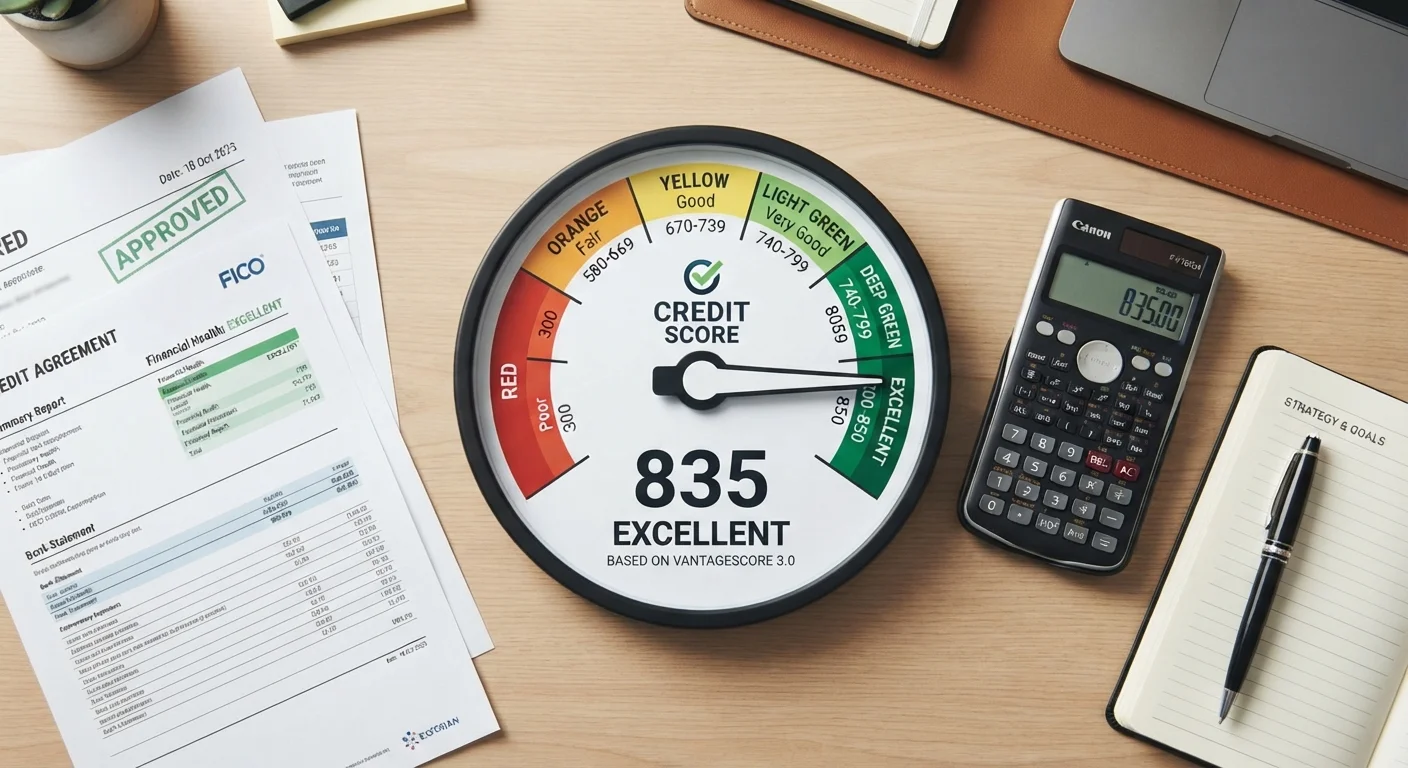
Photo: SaverSteals.com editorial
Key Takeaways
- Carrying a credit card balance does not improve your credit score — it only costs you interest.
- Checking your own credit score is a soft inquiry and never lowers your score.
- Closing old credit card accounts can actually hurt your score by reducing available credit.
- Your income has no direct effect on your credit score calculation.
- Rate shopping for a mortgage or auto loan within a short window counts as a single inquiry.
Why Credit Myths Persist — and Why They Matter
Credit scores influence loan approvals, interest rates, rental applications, and sometimes even job offers. Yet a surprising number of Americans operate on outdated or simply incorrect beliefs about how scores are calculated and what behaviors actually move the needle.
Understanding what's true matters in practical terms. Acting on a myth — like deliberately carrying a balance to "build credit" — can cost real money without delivering any benefit. The five myth-fact pairs below address the most stubborn misconceptions, grounded in how the major scoring models (such as FICO and VantageScore) actually work. For a broader foundation, see how credit score ranges and weighting factors break down.
Myth
Carrying a small balance on your credit card each month helps build your credit score.
Fact
Paying your balance in full has no negative effect on your score — and saves you interest charges.
This is one of the most costly credit myths in circulation. Your score rewards you for using credit responsibly, not for paying interest. What matters is that your utilization ratio — the percentage of your available credit currently in use — stays low, ideally below 30%. A balance that reports at zero or near zero satisfies that condition just as well as a small carried balance, while avoiding interest entirely. Credit utilization is one of the most influential factors in your score, and carrying a balance unnecessarily can actually push that ratio higher. For a deeper look at this specific misconception, see common credit card balance myths debunked.
Myth
Checking your own credit score will lower it.
Fact
Checking your own credit is a soft inquiry and has absolutely no impact on your score.
Credit inquiries fall into two categories: hard and soft. A hard inquiry occurs when a lender reviews your credit as part of an application decision — those can temporarily reduce your score by a few points. A soft inquiry includes things like background checks, pre-qualification reviews, and you checking your own report. Soft inquiries are never visible to lenders making decisions about you and have no scoring impact whatsoever. Regularly reviewing your own credit report is actually a recommended practice — it's the most reliable way to catch errors or signs of identity theft early.
Myth
Closing a credit card account you no longer use will improve or have no effect on your score.
Fact
Closing an account reduces your total available credit, which can increase your utilization ratio and lower your score.
When you close a credit card, you lose that account's credit limit from your total available credit. If you're carrying balances on other cards, your utilization ratio — balances divided by total available credit — rises immediately. Additionally, if the closed account was one of your older accounts, closing it can reduce your average account age over time, which is another scoring factor. A general principle: if a card carries no annual fee, keeping it open and occasionally using it for a small purchase is usually better for your score than closing it. Secured cards follow the same logic — closing them prematurely can undo credit-building progress.
Myth
Your income directly affects your credit score.
Fact
Income is not a factor in any major credit scoring model — it does not appear on your credit report at all.
Credit scores are calculated entirely from information in your credit report: payment history, amounts owed, length of credit history, new credit inquiries, and credit mix. Income, employment status, and net worth are absent from that calculation. Lenders may consider your income separately when evaluating a loan application — it informs their judgment about your ability to repay — but that assessment is distinct from your credit score. This also means a high income does not compensate for a poor payment record, and a modest income does not prevent you from maintaining an excellent score.
Myth
Applying for multiple loans while rate shopping will seriously damage your score.
Fact
Most scoring models treat multiple inquiries for the same loan type within a short window as a single inquiry.
FICO and VantageScore both recognize that consumers shopping for the best mortgage, auto loan, or student loan rate are acting prudently, not recklessly accumulating debt. When multiple hard inquiries of the same type occur within a defined period — typically 14 to 45 days depending on the scoring version — they are generally counted as one inquiry for scoring purposes. The practical implication: don't let fear of inquiry penalties stop you from comparing loan terms. Doing so within a focused timeframe is both financially smart and scoring-safe. This same caution about misinformation applies across financial products; auto insurance carries its own set of persistent myths worth understanding.
What These Myths Have in Common
Most of these misconceptions share a root cause: they contain a grain of plausibility that makes them feel credible. Utilization does matter — but that doesn't mean carrying a balance helps. Inquiries do affect scores — but checking your own report is categorically different from a lender pulling it.
5 factors
Components of a FICO credit score
FICO scores are calculated from payment history, amounts owed, length of credit history, new credit, and credit mix — income is not among them.
35%
Weight of payment history in FICO scoring
According to FICO, payment history is the single largest factor in a standard FICO score, underscoring why on-time payments matter above all else.
30%
Weight of amounts owed (utilization) in FICO scoring
Amounts owed — including credit utilization — is the second-largest scoring factor, which is why carrying high balances relative to limits can noticeably drag down a score.
The practical takeaway is that good credit behavior is less complicated than the myths suggest. Paying on time, keeping balances low relative to your limits, and maintaining older accounts in good standing will do more for your score than any workaround. If you've spotted an inaccuracy on your report, the dispute process is more straightforward than most people realize.
For ongoing guidance, consistent habits are the most reliable path to a strong credit profile. And if your score has recently dipped unexpectedly, understanding the most common triggers can help you respond effectively.
Myth-Driven Behavior Has Real Costs
Acting on inaccurate credit beliefs isn't just a harmless mistake — it can mean paying unnecessary interest, inadvertently lowering your score, or missing opportunities to strengthen your credit profile. Before making decisions based on advice from informal sources, cross-check with how the major scoring models are actually structured. When in doubt, a nonprofit credit counselor or licensed financial adviser can provide guidance tailored to your situation.
This article is for general informational purposes only and does not constitute personalized financial or legal advice. Consult a qualified financial professional for guidance specific to your situation.

Finance Editorial Team
Finance Editorial Team is the collective byline for our editorial team and contributor network. Articles published under this byline or an editorial pen name are researched, written, and reviewed according to our editorial standards for clarity, consistency, and independence before publication.
View author profile