

Key Takeaways
The Gap Between Trying and Actually Saving
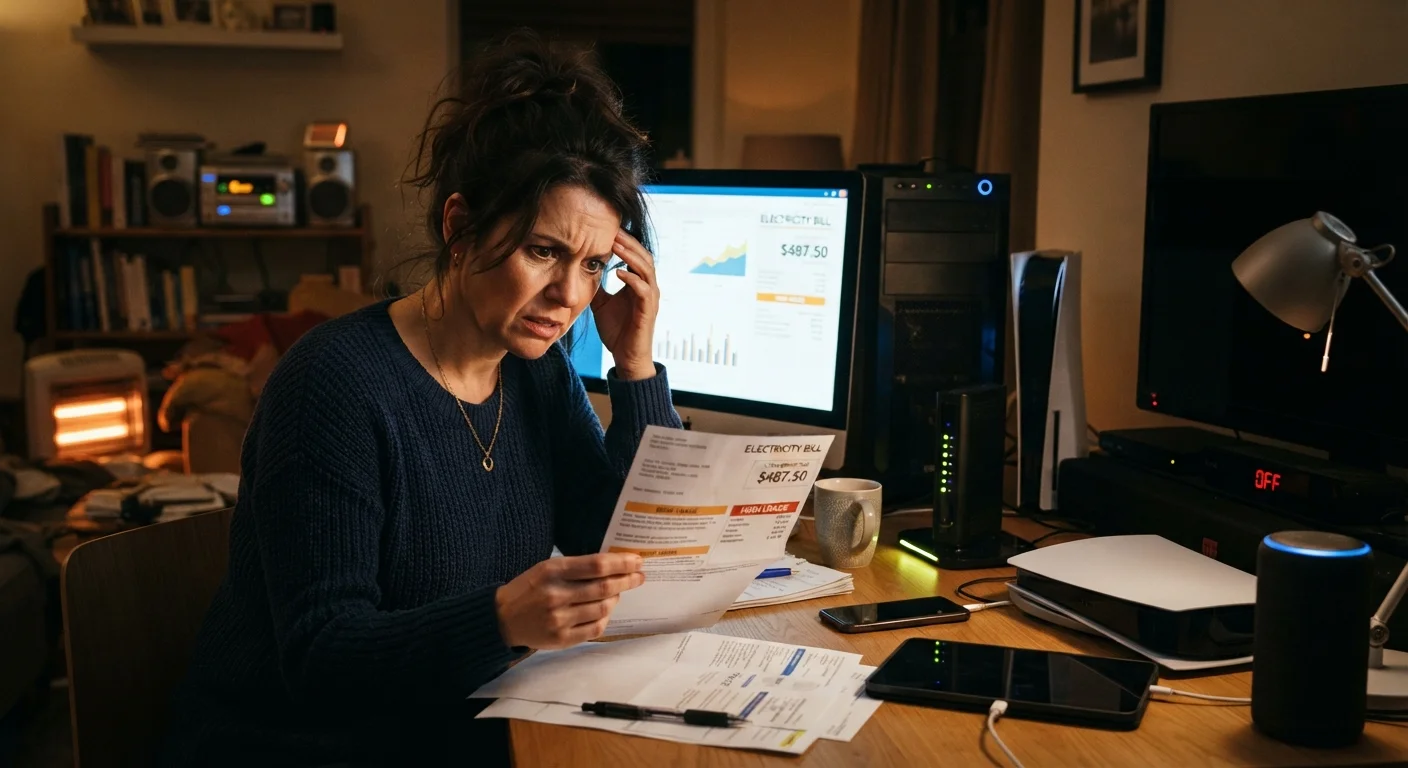
You started turning off lights. You unplugged your phone charger. You even switched to LED bulbs. And yet - your electricity bill stubbornly refuses to budge. Sound familiar? You are absolutely not alone, and the frustrating truth is that most of the energy-saving advice people act on first targets the smallest consumers in your home, while the real culprits keep humming along unnoticed.
Energy waste in a typical household is sneaky. It hides inside "off" appliances, inside habits you've had for years, and inside settings on devices you set up once and never thought about again. The good news? Once you know where to look, fixing these leaks is often cheap, fast, and genuinely satisfying. Think of this article as your official permission slip to stop obsessing over light switches and start focusing on what actually moves the needle on your bill.
For a solid grounding in the concepts behind your bill - things like phantom load and peak pricing - check out this plain-language energy glossary before diving in. It'll make everything below click into place even faster.
The Most Common Mistakes Keeping Your Bill High
Let's get into the actual errors - the ones that feel like non-issues until you see the dollar amount attached to each one. These mistakes are extremely common, which means fixing even two or three of them can create a noticeable shift in your next billing cycle.
Focusing exclusively on lights while ignoring major appliances and HVAC systems.
Why it happens: Turning off lights is the most visible and instinctive energy-saving action - it feels productive even though lighting typically accounts for only 5-10% of a home's total electricity use.
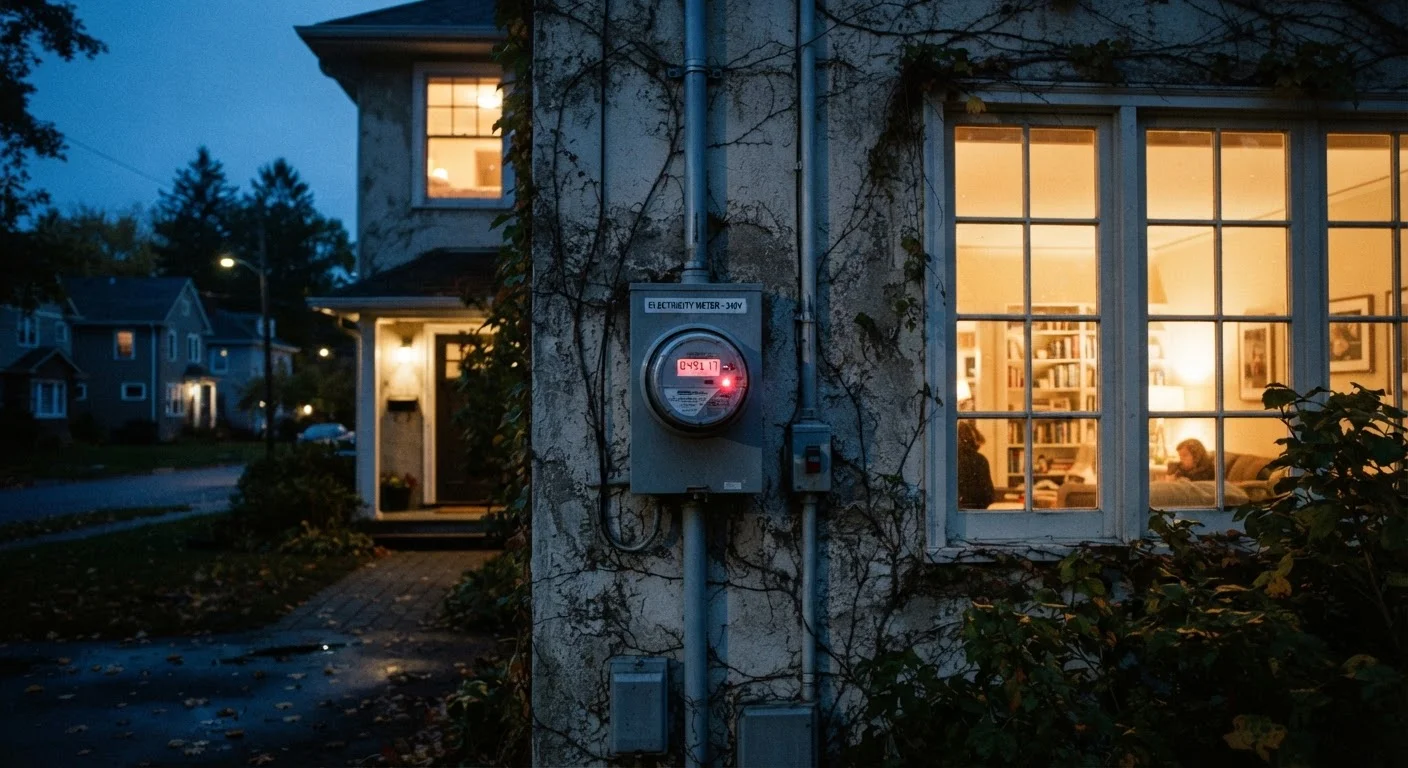
Leaving electronics and appliances on standby - also known as phantom load or vampire power.
Why it happens: Devices in standby mode appear to be 'off,' so most people don't consider them energy consumers. The small indicator light feels negligible, but multiplied across every device in a home, it adds up fast.
Running dishwashers, washing machines, and dryers during peak rate hours.
Why it happens: Most people schedule laundry and dishes around their daily routine - not their utility's pricing schedule. Many aren't even aware their utility charges variable rates based on time of day.
Neglecting appliance maintenance, allowing inefficiency to silently increase energy draw.
Why it happens: Appliance upkeep like cleaning refrigerator coils or replacing HVAC filters doesn't feel connected to energy costs - it feels like a chore with no immediate payoff, so it gets deprioritized indefinitely.
Setting the water heater too high and paying to maintain unnecessarily hot water around the clock.
Why it happens: Most water heaters ship with a factory default of 140°F, and homeowners rarely revisit this setting after installation. It's a 'set it and forget it' situation that costs money every single day.
Ignoring air leaks in the home's envelope, causing HVAC to overwork constantly.
Why it happens: Air leaks through door frames, window edges, and outlet plates are invisible and gradual. Because there's no single dramatic moment of waste, most homeowners never notice or prioritize them.
Cranking the thermostat to extreme temperatures expecting the space to heat or cool faster.
Why it happens: It feels logical - set a higher temperature to heat up faster. But most HVAC systems deliver conditioned air at a fixed rate regardless of the setpoint, meaning you're just overshooting your target temp and wasting energy.
Once you've identified which of these mistakes sounds like your home, the path forward becomes much clearer. The following sections go deeper on the two biggest categories: appliance behavior and home environment.
Your Appliances Are Working Harder Than They Should
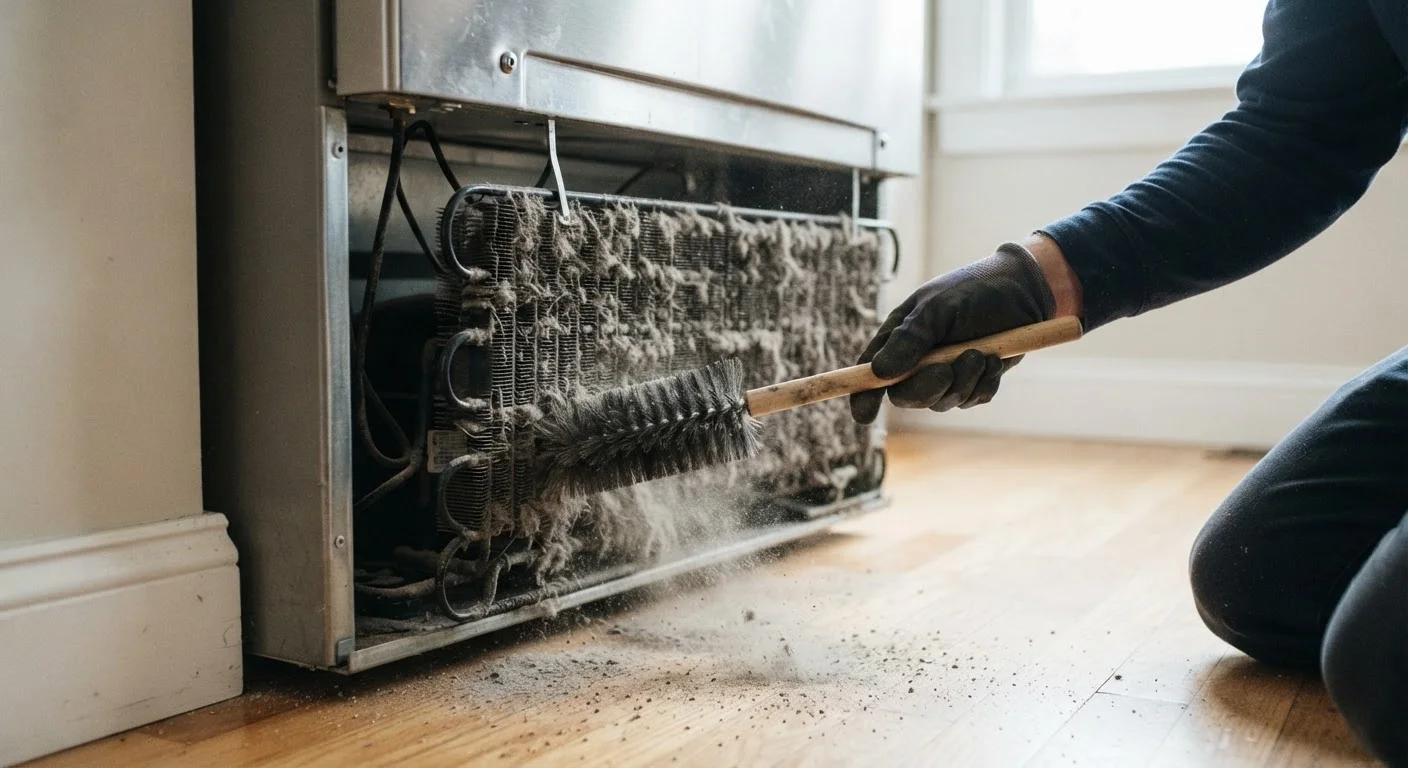
Most energy-saving conversations focus on whether appliances are on or off - but efficiency is actually about how hard your appliances have to work to do their job. A refrigerator with dirty condenser coils, for example, can use up to 25% more electricity just to maintain the same temperature. Your dryer with a clogged lint trap? It runs longer cycles. Your HVAC system with a 6-month-old filter? It's fighting for every degree.
Don't Skip Appliance Maintenance
Skipping routine maintenance doesn't just reduce efficiency - it shortens appliance lifespan and can lead to costly repairs or early replacement. A refrigerator running with dirty coils or a dryer with a clogged duct is both expensive and a potential fire hazard. Set a maintenance schedule and stick to it.
Beware of 'Energy Saver' Mode Misconceptions
Many newer appliances have an 'Energy Saver' or 'Eco' mode that sounds like a cure-all but often just reduces performance rather than actual energy draw. Always check your appliance's actual energy consumption in a mode using a plug-in energy monitor - results vary widely by model and manufacturer.
The fix here isn't buying new appliances - it's maintenance. A quick monthly habit of checking filters, coils, and door seals pays dividends every single month. Here's a fast reference for the most impactful appliance checkups:
- Refrigerator: Clean condenser coils every 6 months; check door gasket seal annually
- HVAC: Replace air filter every 1-3 months depending on usage and pet ownership
- Dryer: Clean lint trap after every load; deep-clean exhaust duct annually
- Dishwasher: Clean filter monthly; run only when fully loaded
- Water heater: Flush sediment annually; insulate pipes for instant efficiency gains
50%
of home energy used by heating and cooling
According to the U.S. Department of Energy, space heating and cooling account for roughly half of a typical household's total energy consumption.
10%
of electricity bill from phantom loads
The Lawrence Berkeley National Laboratory estimates that standby power from idle electronics accounts for approximately 5-10% of residential electricity use.
$50/year
average savings from a smart thermostat
The U.S. EPA estimates that properly programmed smart thermostats save the average household around $50 per year on energy costs.
90%
of washer energy goes to heating water
According to Energy Star, about 90% of the electricity a washing machine uses is consumed heating the water - making cold-water washing one of the highest-impact laundry changes.
25%
extra energy used by poorly maintained refrigerators
Research from appliance manufacturers indicates dirty condenser coils can force a refrigerator to use up to 25% more electricity to maintain its set temperature.
If you're curious how appliance efficiency connects to the broader cost of owning a device, this breakdown of hidden device costs shows exactly how operating expenses quietly dwarf the purchase price over time.
Your Home Environment Is Fighting You
Here's a truth that doesn't get nearly enough airtime: no amount of behavioral change compensates for a home that leaks energy through its walls, windows, and doors. If your house isn't properly air-sealed and insulated, your HVAC system is essentially heating and cooling the outdoors - and you're paying for every BTU of it.
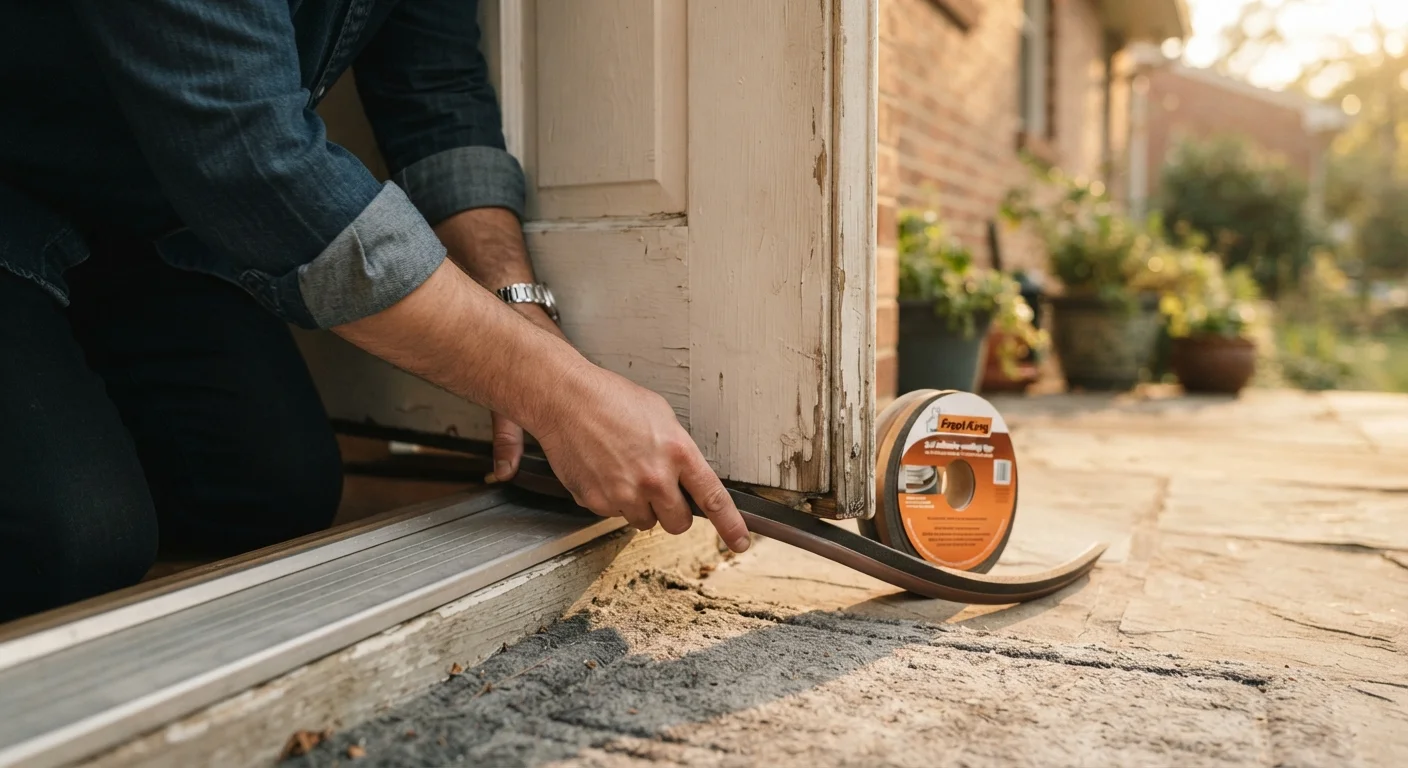
The most high-impact, low-cost home environment fixes include:
- Weatherstripping doors and windows: A $10-20 DIY fix that can reduce heating and cooling costs by 5-10%.
- Thermal curtains: These block summer heat gain and winter heat loss - especially on south- and west-facing windows.
- Outlet and switch plate insulation gaskets: Exterior walls have outlets that let cold air stream in. Foam gaskets cost pennies and take seconds to install.
- Attic insulation check: Heat rises. If your attic is under-insulated, you're losing a significant portion of your heating investment through the roof - literally.
- Smart thermostat programming: The EPA estimates smart thermostats save an average of $50/year, but only if they're actually programmed - not left on default settings.
Air Sealing Beats Almost Every Other Fix
If you only have time or budget for one home improvement to reduce your electricity bill, air sealing is it. The Department of Energy estimates that sealing air leaks and adding adequate insulation can reduce heating and cooling costs by up to 20%. This is consistently the highest-ROI fix available to homeowners - and most of it can be done without a contractor for under $50 in materials.
These fixes don't require a contractor or a big budget. A single Saturday afternoon armed with weatherstripping tape and outlet gaskets can close gaps responsible for meaningful monthly losses. Your home's job is to help your HVAC system, not undermine it.
Behavioral Shifts That Actually Matter
Not every fix is about hardware. Some of the most durable savings come from habits - specifically, replacing one automatic behavior with a slightly smarter version. The key is targeting behaviors attached to your biggest energy consumers, not your smallest ones.
Water heating is the second-largest energy expense in most U.S. homes, accounting for roughly 14-18% of utility bills. Two behavioral changes here go a long way: taking shorter showers (cutting from 10 minutes to 5 saves significant hot water) and lowering your water heater thermostat from the factory default of 140°F to 120°F. That single thermostat adjustment can reduce water heating costs by 6-10% and also reduces scalding risk. Win-win.
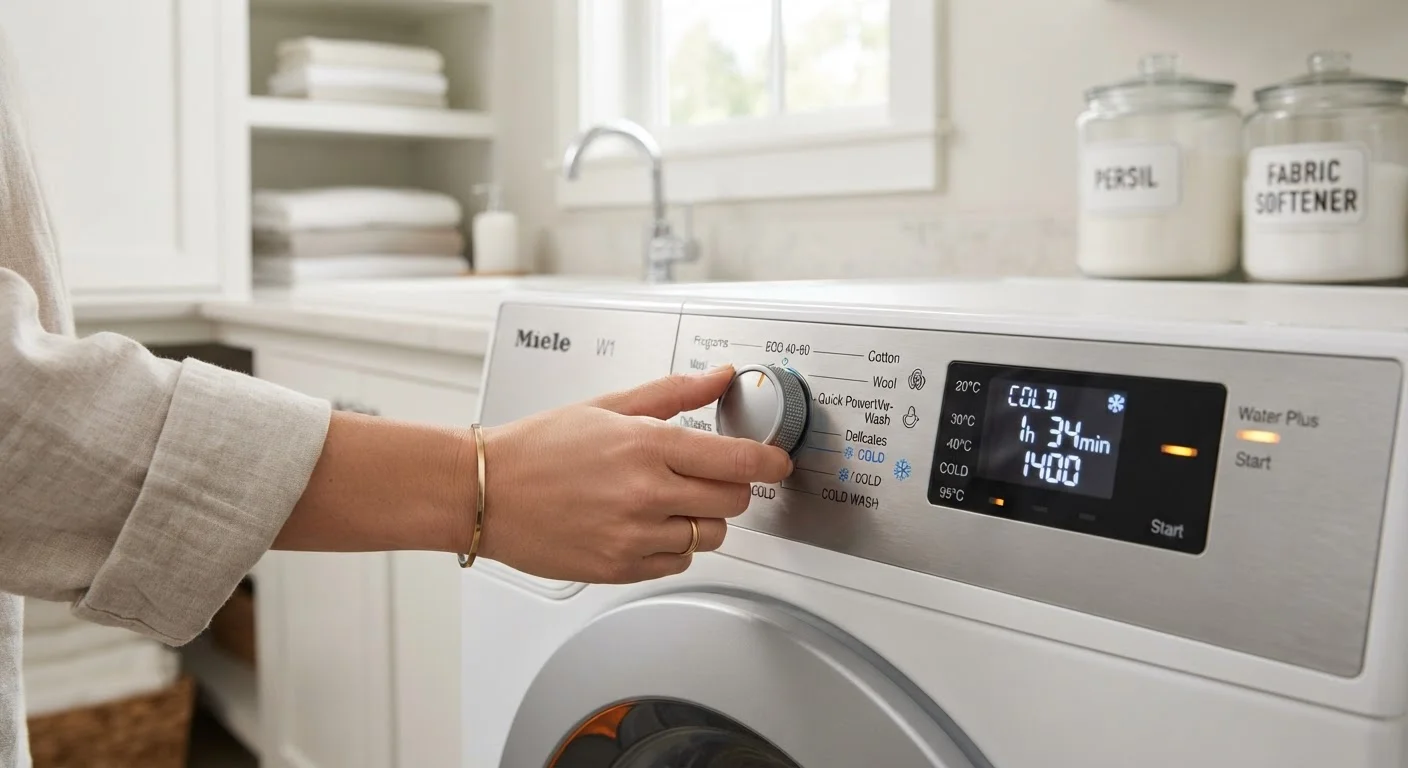
Laundry in cold water is another underrated swap. About 90% of the energy your washing machine uses goes toward heating water. Switching to cold cycles for most loads cuts that energy use dramatically - and modern cold-water detergents are formulated to clean just as effectively.
Cooking strategically matters more than most people realize. Your oven is a significant energy user. Batch cooking, using the microwave or air fryer for smaller meals, and avoiding preheating longer than necessary all chip away at your bill. Even keeping the oven door closed during cooking (every peek drops the temperature by 25°F) reduces how long the oven runs.
And speaking of behavioral parallels - the same pattern of small, overlooked habits adding up to big losses applies in other areas of household budgeting too. This look at coupon mistakes covers the same concept applied to grocery savings: it's rarely the big decisions, it's the accumulated small ones.
Building a Monthly Energy Audit Habit
The real secret to consistently lower electricity bills isn't a one-time overhaul - it's a lightweight monthly check-in that catches waste before it compounds. Think of it as the energy equivalent of checking your bank statement: a little attention goes a long way.
Here's a simple monthly audit framework you can run in under 30 minutes:
- Week 1 - Bill Review
- Compare this month's kWh usage to the same month last year (most utility apps show this). Flag any unexplained jumps above 10%.
- Week 2 - Appliance Walk-Through
- Check HVAC filter, refrigerator coils, and any appliance that runs continuously. Confirm your smart thermostat schedule is active.
- Week 3 - Phantom Load Sweep
- Walk every room and identify devices on standby. Consolidate onto smart power strips where possible. Unplug rarely-used chargers and electronics.
- Week 4 - Envelope Check
- Feel around exterior door frames and window edges on a windy day. Add weatherstripping anywhere you detect airflow.
This kind of audit rhythm is exactly what makes the difference between households that see gradual improvement and those that try for one month and give up. Consistency beats intensity every time.
If you're on a broader budget-tightening journey, exploring what's happening with your water usage is a natural next step - the same sneaky waste patterns show up there too. The Water Bill Hacks hub is a great companion resource, and this deep-dive on household water waste mirrors a lot of what we've covered here. For a truly systematic approach, this room-by-room water audit gives you a checklist format that's easy to work through in an afternoon.
The bottom line: your electricity bill responds to attention. The households that actually lower their bills aren't necessarily the ones with the newest appliances or the most extreme habits - they're the ones who stopped guessing and started auditing. You now have everything you need to be one of them.