Key Takeaways
Household Water Waste
Household water waste refers to any water used at home that delivers no real benefit - think slow leaks, outdated fixtures, and deeply ingrained habits that send gallons down the drain without you even noticing. Unlike a one-time flood or obvious running toilet, most household water waste is invisible and ongoing. It accumulates quietly over months and years, inflating your utility bill while you're none the wiser.
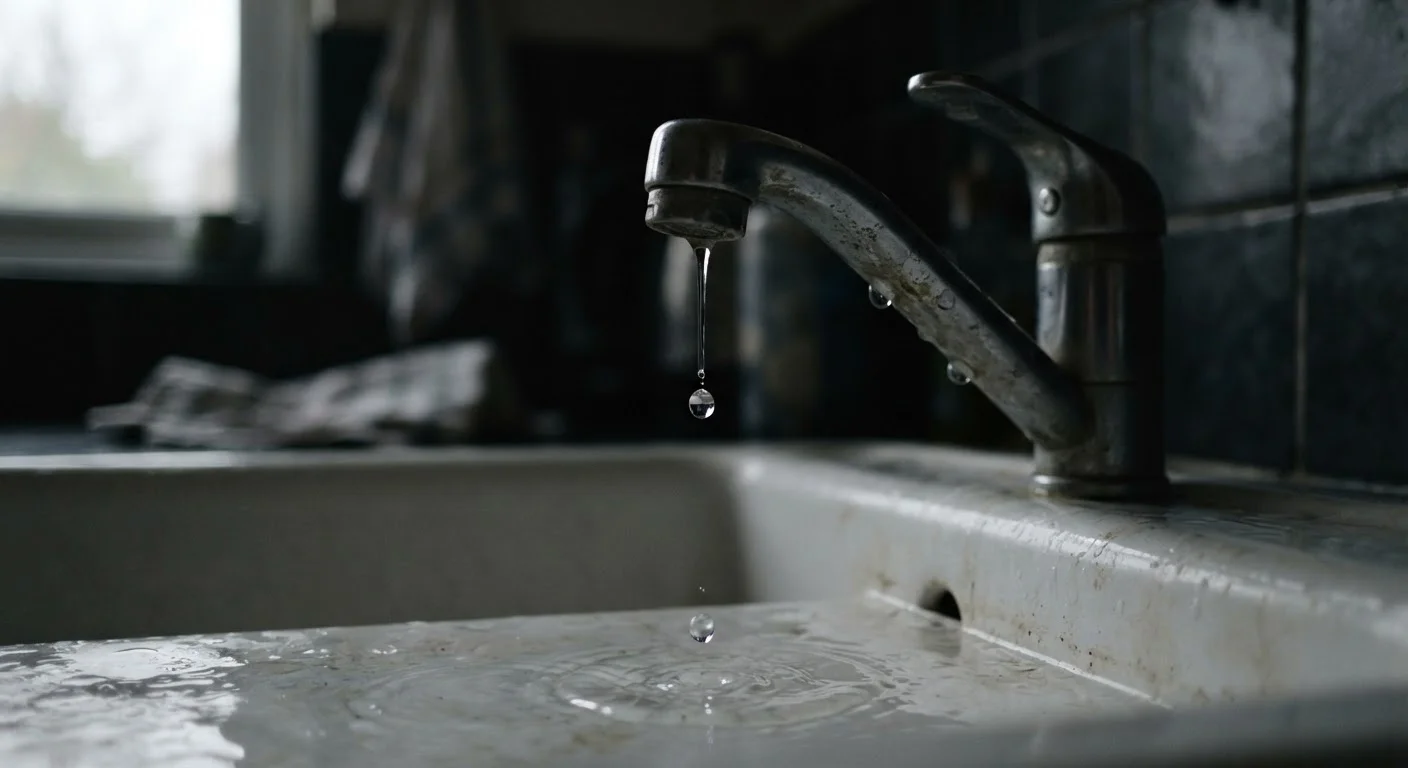
Water utilities typically bill by the hundred cubic feet (CCF) or by the gallon (1 CCF ≈ 748 gallons). Even a small continuous leak of 1 drip per second wastes roughly 3,000 gallons per year, according to the EPA's WaterSense program.
Why Water Waste Is So Easy to Miss
Here's the frustrating truth: most water waste in a home doesn't announce itself. There's no dramatic gush, no visible puddle, no moment where you smack your forehead and think, there it is. Instead, it's a 2-gallon-a-day drip from a toilet flapper, a sprinkler zone that runs 20 minutes longer than necessary, or a shower that crept from 7 minutes to 12 without anyone noticing. Each individual source feels negligible. Collectively, they're costing you real money every single month.
The EPA estimates that the average U.S. household leaks about 10,000 gallons per year - roughly the amount of water needed to wash 270 loads of laundry. That's not an outlier statistic. That's the average. And most of those households have no idea it's happening.
10,000 gal
Average annual household water leaked
According to the EPA's WaterSense program, the average U.S. home leaks this amount every year from fixable sources.
30%
Of household water used outdoors
The EPA estimates that roughly 30% of total household water use goes toward outdoor irrigation and landscaping.
$1,000+
Potential annual savings from fixing leaks
The EPA estimates U.S. homeowners who fix household leaks can save around 10% on their water bills, often amounting to $1,000+ over time.
3,000 gal
Wasted per year by a single dripping faucet
One drip per second from a leaky faucet wastes approximately 3,000 gallons annually, per the EPA WaterSense data.
50%
Of outdoor irrigation water wasted
The EPA notes up to 50% of outdoor water used in residential settings is lost to overwatering, evaporation, and inefficient application.
What makes water waste especially sneaky is how it hides inside normal-looking behavior. You are doing laundry. You are watering the garden. You are doing the dishes. But the way you're doing each of these things might be quietly doubling your consumption without any corresponding benefit. Understanding where the waste actually lives is the first step to making cuts that genuinely matter - and doing it without feeling like you're giving anything up.
Think of it like the money leaks covered in leaving cashback on the table - it's not one giant mistake, it's a dozen small habits running silently in the background.
The Phantom Leak: Your Toilet Is Probably Guilty
If I had to pick one single source of household water waste that punches hardest and stays most hidden, it's the leaky toilet flapper. The flapper is that rubber seal at the bottom of your toilet tank. When it wears out or warps - which happens naturally over a few years - it lets water trickle continuously from the tank into the bowl. The toilet doesn't run loudly. It doesn't act up. It just silently hemorrhages water, 24 hours a day, 7 days a week.
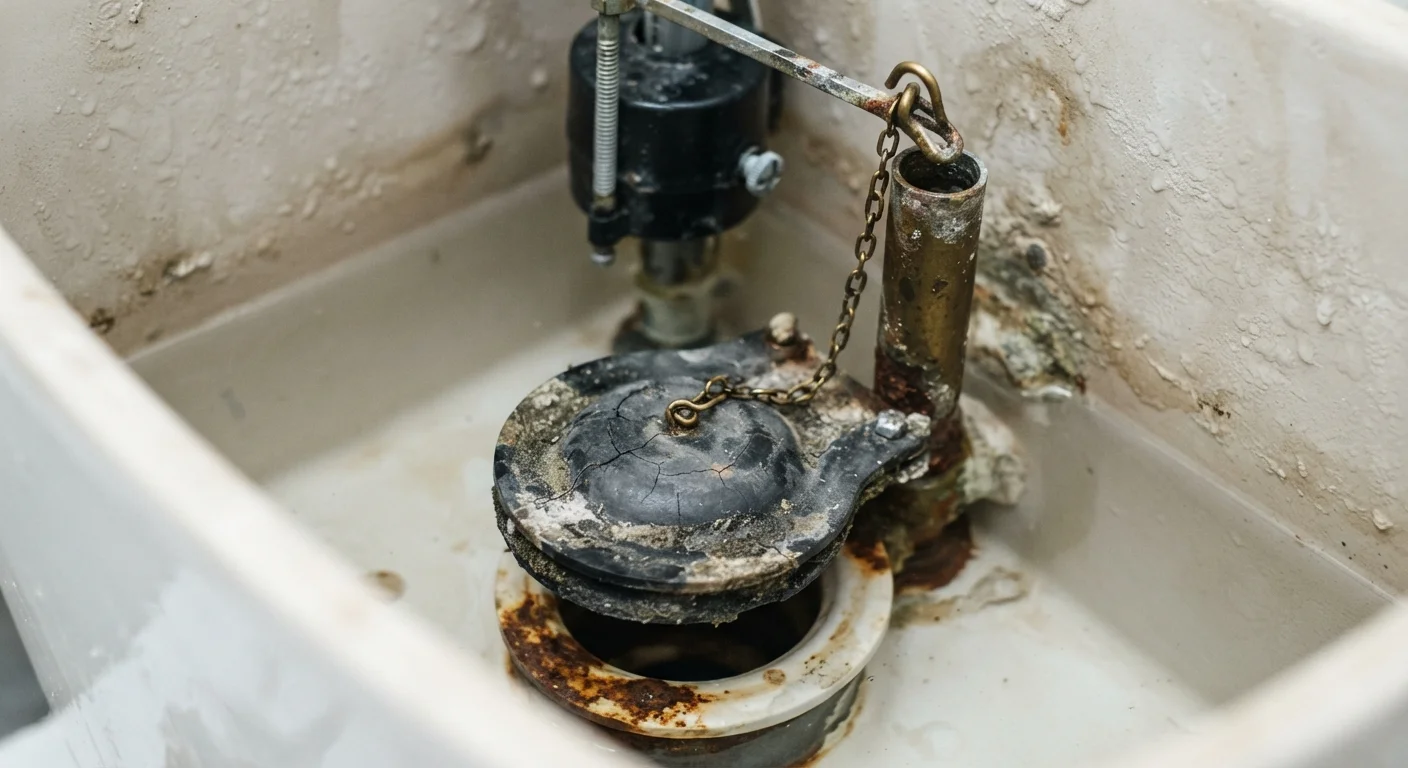
A slow flapper leak can waste 200 gallons a day. A severe one can hit 7,000. At the national average water rate of about $0.01 per gallon, that's anywhere from $60 to $2,100 a year - from one tiny rubber ring that costs $5 to replace.
Run the Free Dye Test Today
Many municipal water utilities mail free dye tablets to residents on request - just call your utility's customer service line or check their website. If you can't get free tablets, two drops of food coloring in the toilet tank works just as well. It's a 15-minute test that can save you hundreds of dollars a year if it catches what you suspect.
Set a Weekly Meter Check Reminder
Add a recurring phone reminder to check your water meter reading once a week. It takes 60 seconds and creates a simple baseline you can compare over time. Any unexplained uptick between readings is a signal worth investigating before it becomes a season-long bill spike.
Bundle Your Fixture Upgrades
When you're at the hardware store for a flapper, grab a pack of faucet aerators and a WaterSense showerhead at the same time. The whole bundle often costs under $35, and completing all three upgrades in one afternoon eliminates the majority of fixable mechanical water waste in most homes.
The dye test is your friend here: drop a dye tablet (available free at many water utilities) or a few drops of food coloring into your toilet tank. Don't flush. Wait 15 minutes. If color seeps into the bowl, your flapper is leaking and needs to be replaced. This is a fix that takes 10 minutes, zero plumbing experience, and about $8 in parts. The ROI is almost absurdly good.
Beyond the flapper, check your fill valve for a hissing sound and look at the supply line connection behind the toilet. Small mineral deposits can create micro-leaks at fittings that you'd only notice if you placed a dry paper towel against the joint. These are easy to overlook and shockingly common in homes over 10 years old.
Faucets, Showerheads, and the Fixture Problem
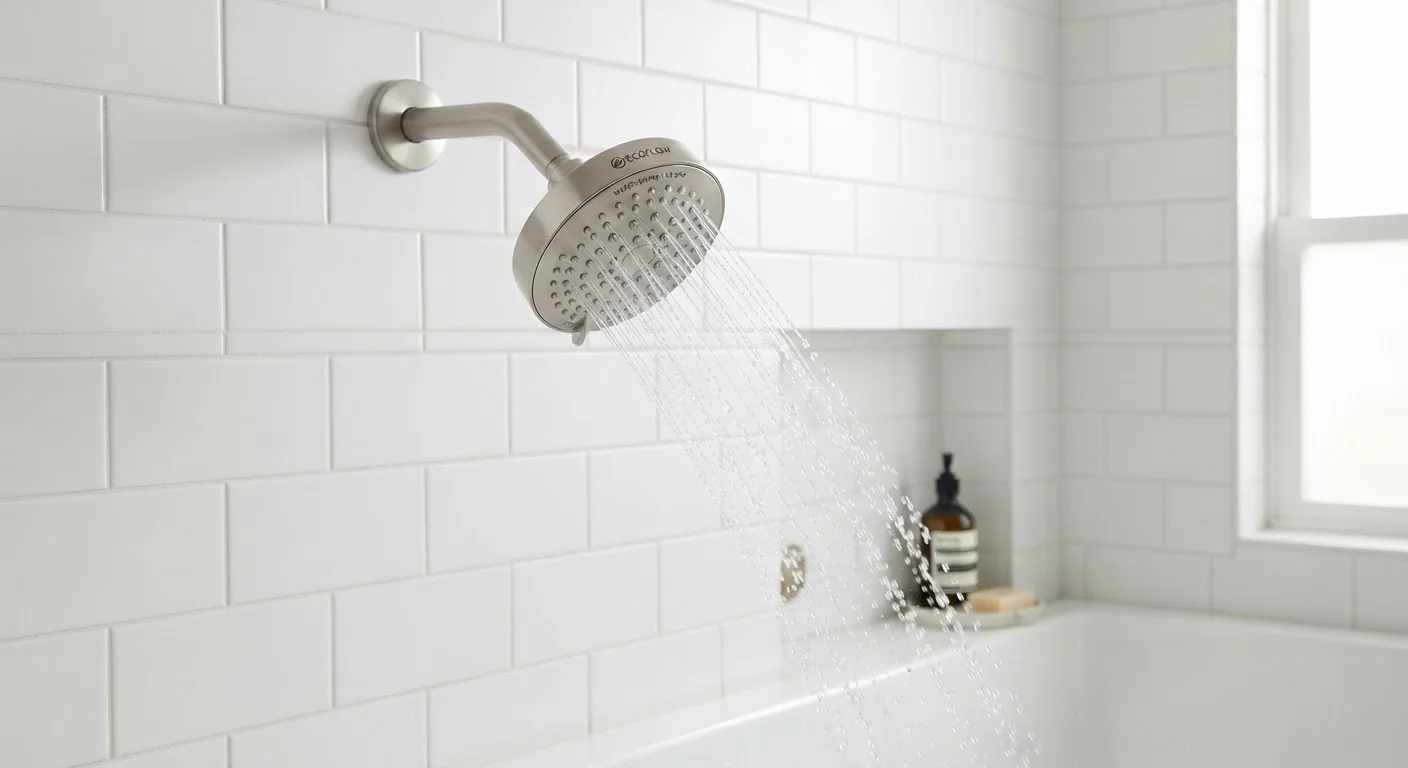
Let's talk fixtures. Your faucets and showerheads are doing a lot of work - but older models are doing significantly more work than necessary. Pre-1994 showerheads can push out 5.5 gallons per minute (gpm). The current federal standard is 2.5 gpm. WaterSense-certified models go as low as 2.0 gpm. If you've never replaced your showerhead, you may be using more than twice the water needed to get just as clean.
For a family of four, each taking a 9-minute shower daily, switching from a 5.5 gpm head to a 2.0 gpm model saves roughly 12,800 gallons per year. High-quality WaterSense showerheads start at around $15-$25 and are genuinely indistinguishable in feel from their wasteful predecessors. This is the rare upgrade where you get more for less.
Faucet aerators work on the same principle. The aerator is the small mesh screen at the tip of your faucet - it mixes air into the flow so you get strong water pressure without the volume. Many bathroom faucets now ship with aerators rated at 0.5-1.0 gpm. If yours are older or missing, replacement aerators cost as little as $2-$5 at any hardware store and thread on in seconds. Kitchen faucet aerators typically run 1.5-2.2 gpm, which is worth checking if you do a lot of cooking prep with running water.
Hot Water Has a Hidden Second Cost
Every gallon of wasted hot water costs you twice - once on your water bill and once on your energy bill, since your water heater had to heat it. Inefficient showerheads and long warm-up times are both water and energy problems simultaneously. Addressing them cuts two bills at once, which is exactly the kind of leverage worth prioritizing.
Check Your Local Rebate Programs
Many water utilities and municipalities offer rebates for installing WaterSense-certified showerheads, toilets, and smart irrigation controllers. Before you buy any fixture upgrade, spend five minutes on your utility's website or call their conservation line - you may get the product partially or fully reimbursed, making the payback period essentially immediate.
Drought Conditions Change the Math
If you live in a drought-prone region - much of the American West, Southwest, and parts of the South - your water utility may impose tiered pricing where rates increase sharply above a baseline usage threshold. In these markets, cutting water waste isn't just good household economics, it can prevent you from hitting a punishing upper pricing tier.
Don't forget to consider the hidden cost of hot water waste. Every gallon of hot water that runs down the drain while you wait for the tap to warm up represents both water and energy spend. A hot water recirculation pump ($150-$250 installed) can eliminate that wait time entirely - and it pairs nicely with the energy-saving habits covered in the energy efficiency hub.
The Kitchen and Laundry Room: Where Habits Do the Damage
Fixtures are one piece of the puzzle. Habits are the other - and in the kitchen and laundry room, behavioral waste can actually exceed mechanical waste by a wide margin.
Kitchen
The biggest kitchen habit to break: pre-rinsing dishes before loading the dishwasher. It feels responsible, but modern dishwashers are engineered to handle food residue. Pre-rinsing a full load can add 6,000-10,000 gallons of water per year to your usage - and it doesn't improve cleaning results. Scrape plates into the trash or compost, load, and let the machine do its job.
Running the tap while doing anything is also deceptively expensive. Thawing frozen food under running hot water? That can use 1-2 gallons per minute. Instead, move food to the fridge the night before. Washing produce under a running stream? Fill a bowl instead. These are frictionless swaps that genuinely add up.
Laundry
Washing machines are among the biggest water consumers in the home - a standard top-loader uses 40-45 gallons per cycle. If you're running small loads on a full-load setting, you're wasting a significant fraction of that every time. Always match your water level to your load size, or better yet, run only full loads.
Switching to cold water washing saves on energy (your water heater works less) and typically gets clothes just as clean for everyday items. This mirrors the kind of compounding savings strategy that applies equally to stacking grocery savings habits - small adjustments across multiple categories that add up to something meaningful.
“We waste water because it feels infinitely available. But the moment you put a number on it - 10,000 gallons lost every year before you even try - it becomes impossible to ignore.”
— Amy Vickers, Water conservation engineer and author of 'Handbook of Water Use and Conservation'
Outdoor Water Use: The Zone You're Probably Overwatering
Outdoor water use accounts for roughly 30% of total household water consumption nationally - and the EPA estimates that as much as 50% of that outdoor water is wasted through overwatering, evaporation, and inefficient irrigation. If you have any kind of lawn, garden, or landscaping that gets watered, this is almost certainly your biggest single opportunity for cuts.
Sprinkler systems are notorious offenders. A standard sprinkler head puts out 1-3 gallons per minute. If your system runs on a timer that hasn't been adjusted for season, rainfall, or soil saturation, it's virtually guaranteed to be over-applying water. Installing a rain sensor (around $15-$30) that automatically pauses irrigation when it's raining is one of the fastest payback investments you can make for outdoor water savings.
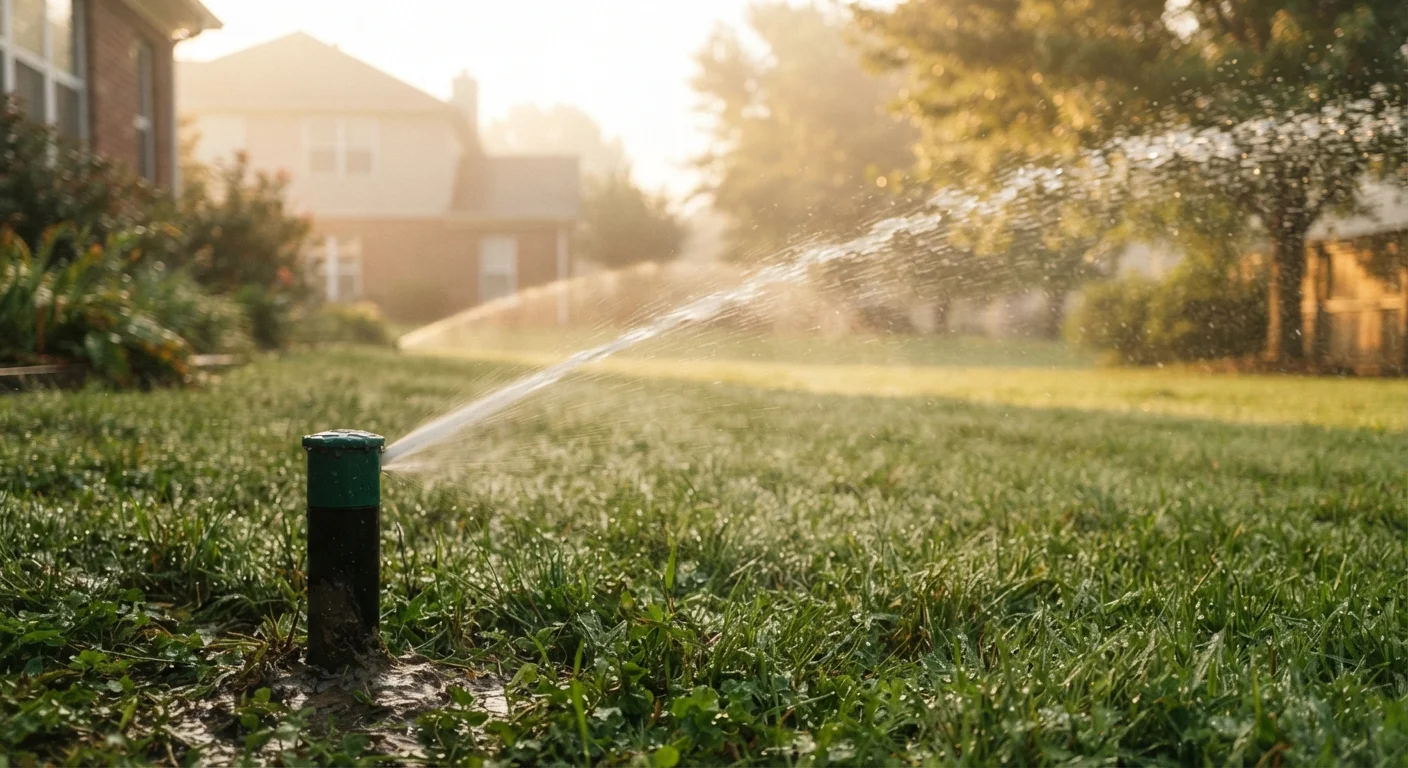
Watering at the wrong time of day is also a major culprit. Midday watering under direct sun loses 30-40% of applied water to evaporation before it ever reaches plant roots. The right time is early morning - ideally between 4 a.m. and 9 a.m. - when temperatures are low and wind is calm. You can water less frequently and still see better plant health.
Consider a quick walk-through of your irrigation zones to check for broken heads, misdirected spray, or areas pooling water rather than absorbing it. These signs indicate immediate, fixable waste. For a comprehensive room-by-room (and zone-by-zone) approach to cutting water costs, the room-by-room water audit is a fantastic follow-up to this article.
Hot Water Has a Hidden Second Cost
Every gallon of wasted hot water costs you twice - once on your water bill and once on your energy bill, since your water heater had to heat it. Inefficient showerheads and long warm-up times are both water and energy problems simultaneously. Addressing them cuts two bills at once, which is exactly the kind of leverage worth prioritizing.
Check Your Local Rebate Programs
Many water utilities and municipalities offer rebates for installing WaterSense-certified showerheads, toilets, and smart irrigation controllers. Before you buy any fixture upgrade, spend five minutes on your utility's website or call their conservation line - you may get the product partially or fully reimbursed, making the payback period essentially immediate.
Drought Conditions Change the Math
If you live in a drought-prone region - much of the American West, Southwest, and parts of the South - your water utility may impose tiered pricing where rates increase sharply above a baseline usage threshold. In these markets, cutting water waste isn't just good household economics, it can prevent you from hitting a punishing upper pricing tier.
How to Audit Your Own Household for Water Waste
You don't need a plumber or a professional energy auditor to find where your household is leaking money through water waste. A few simple techniques give you a surprisingly accurate picture.
The Meter Test
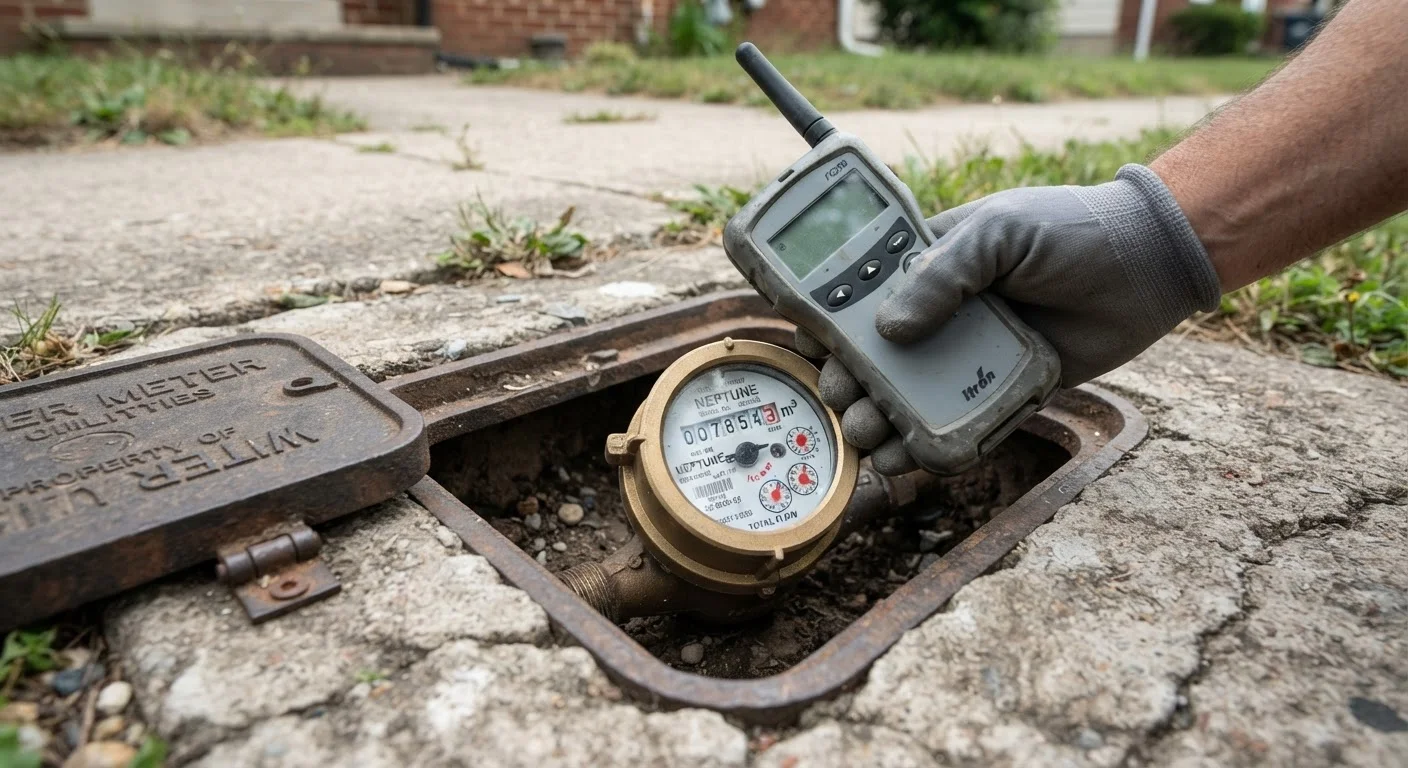
Your water meter is the most powerful diagnostic tool you already own. Locate it (usually near the street or in a utility closet), note the reading, and then don't use any water for two hours. Check the reading again. Any change means water is flowing somewhere in your home without your knowledge. This test catches toilet leaks, dripping faucets, and irrigation line failures that are otherwise completely invisible.
The Paper Towel Method
Press a dry paper towel against pipe fittings, valve connections, and supply line joints around toilets, sinks, and washing machines. Any moisture that transfers indicates a micro-leak. These are rarely dramatic, but they're consistent - and consistency is exactly what makes them expensive.
Track Your Bill Month-Over-Month
A sudden unexplained spike in your water bill - especially during a month when your habits haven't changed - is a strong signal that a new leak has developed. Many utilities now offer online account dashboards with daily usage graphs. Monitoring these even once a week takes 30 seconds and can help you catch a problem before it becomes a season of inflated bills.
Run the Free Dye Test Today
Many municipal water utilities mail free dye tablets to residents on request - just call your utility's customer service line or check their website. If you can't get free tablets, two drops of food coloring in the toilet tank works just as well. It's a 15-minute test that can save you hundreds of dollars a year if it catches what you suspect.
Set a Weekly Meter Check Reminder
Add a recurring phone reminder to check your water meter reading once a week. It takes 60 seconds and creates a simple baseline you can compare over time. Any unexplained uptick between readings is a signal worth investigating before it becomes a season-long bill spike.
Bundle Your Fixture Upgrades
When you're at the hardware store for a flapper, grab a pack of faucet aerators and a WaterSense showerhead at the same time. The whole bundle often costs under $35, and completing all three upgrades in one afternoon eliminates the majority of fixable mechanical water waste in most homes.
Once you've identified your leaks and inefficiencies, the fixes are almost universally inexpensive. Flappers, aerators, and showerheads are the trifecta - all available for under $30 total - and they address the majority of fixable water waste in most homes. If outdoor irrigation is a bigger concern, a smart irrigation timer with soil moisture sensing runs $50-$150 and can cut outdoor water use by 30-50%.
Water waste and energy waste share a lot of DNA - hidden, habitual, and compounding. If you've already started looking at why your electricity bill stays stubbornly high, applying the same investigative mindset to your water usage is a natural and highly rewarding next step.