
Your Public Library Card Is a Gateway to Free Digital Books
A library card unlocks far more than physical books. Discover the digital lending services most cardholders never use.
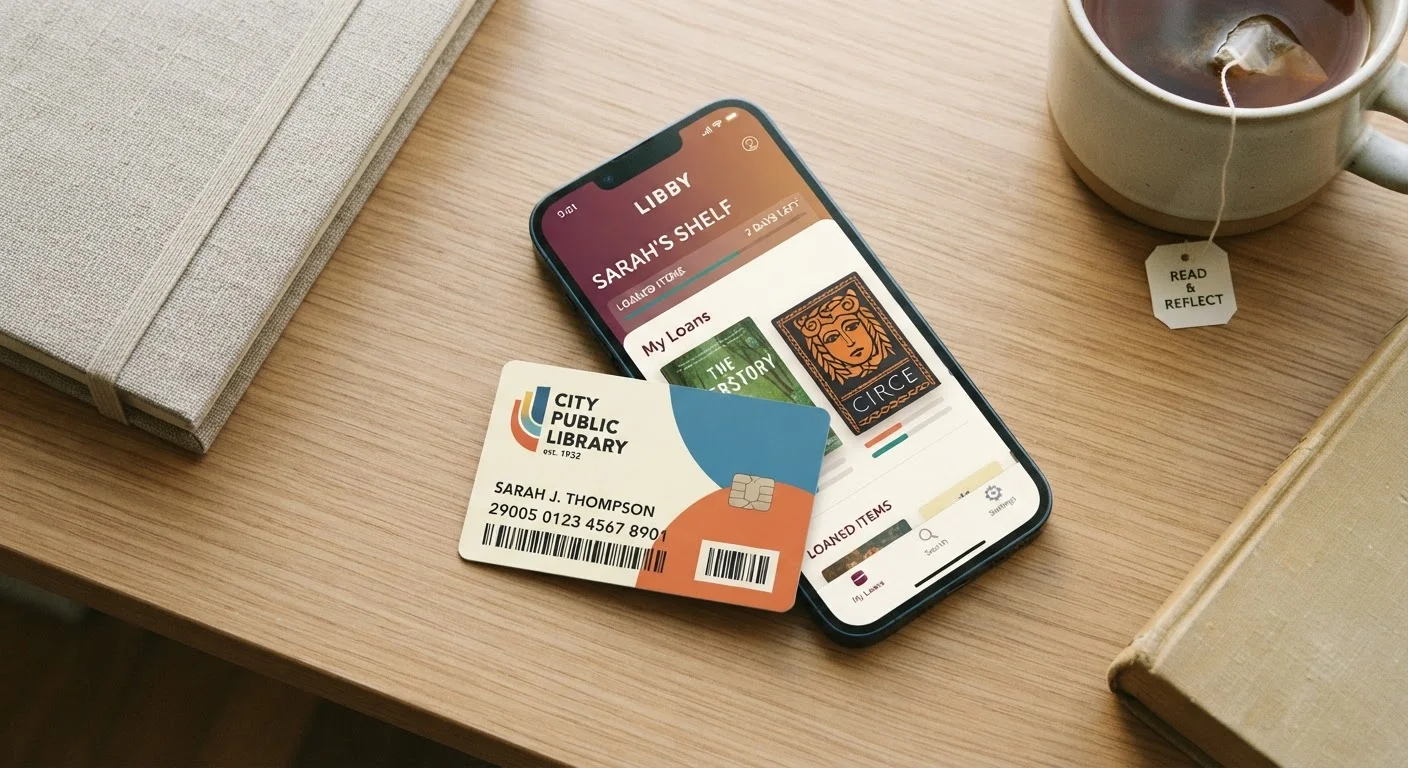
Photo: SaverSteals.com | Explore More. Shop Smarter. editorial
—— In This Article
Key Takeaways
- A standard free library card is all you need to borrow digital books, audiobooks, and magazines.
- Apps like Libby and Hoopla work directly from your phone - no library visit required.
- Hoopla offers instant borrowing with no waitlists; OverDrive/Libby titles may have queues for popular books.
- Some US readers qualify for cards at multiple library systems, multiplying access at no extra cost.
- Digital lending covers a wide range of formats: ebooks, audiobooks, comics, and periodicals.
What Most Cardholders Don't Know They Have
If you have a public library card sitting in your wallet - or stuffed in a junk drawer - there's a good chance you're leaving a substantial reading resource untapped. The same card that lets you check out physical books also unlocks a digital lending library accessible from any device, at any hour, without leaving home.
The two platforms that power most US library digital collections are OverDrive (accessed through the Libby app) and Hoopla. Together, they cover hundreds of thousands of titles across ebooks, audiobooks, magazines, and comics. Your library may use one or both - and your card number is the only credential you need to get started.
For a deeper look at how each platform works and which suits different reading habits, see how the major library apps actually work.
90%+
US residents with access to a public library
According to the American Library Association, the vast majority of Americans live within a public library service area.
0
Late fees on digital library loans
Digital loans on platforms like Libby and Hoopla expire automatically, eliminating the overdue fine model entirely.
700,000+
Titles available on Hoopla
Hoopla Digital lists over 700,000 titles across ebooks, audiobooks, comics, and streaming content available through participating libraries.
The Key Difference Between Libby and Hoopla
Understanding one distinction saves a lot of frustration: Libby operates on a hold system - libraries purchase a limited number of simultaneous licenses for each title, so popular books may have a wait. Hoopla works differently: it licenses titles on a per-borrow basis, meaning there are no waitlists. You borrow, it counts against your monthly limit, and you read immediately.
In practice, this means Hoopla is better for instant gratification on titles it carries, while Libby tends to have a broader and more current catalog - particularly for new releases from major publishers. Placing holds on Libby early, even before you're ready to read, is a practical habit worth building.
Place Holds Early - Even on Books You're Not Ready For
With Libby, popular titles can have waitlists ranging from days to several weeks. A useful habit is placing a hold the moment you hear about a book you want, rather than waiting until you're ready to read it. By the time your turn comes up, you'll be ready - and the loan period is usually two to three weeks, with renewal options available.
Getting Set Up: Simpler Than You'd Expect
The setup process involves three steps: obtain a library card, download the app, and sign in with your card credentials. Many library systems now issue digital cards instantly through their websites - no branch visit required. If yours doesn't, a single in-person visit is all it takes.
Once logged in, searching and borrowing works much like any commercial ebook store, except everything costs nothing. Borrowed titles sync across devices and expire automatically - no returns, no late fees. If you've never done this before, the process is covered step by step in our guide to getting started with free library ebooks.
It's also worth checking whether you qualify for cards at more than one library system. Reciprocal agreements between systems - and some statewide digital access programs - can significantly expand what's available to you. Details on that are in our piece on using one card across multiple systems.
How This Fits Into a Broader Free-Reading Strategy
Digital library lending is one of the most reliable pillars of a no-cost reading life, but it works best when combined with other resources - open-access archives, Project Gutenberg for public domain titles, and free audiobook sources. A full overview of those options is available in our guide to free reading on a tight budget.
For readers deciding whether borrowing makes more financial sense than buying, the math is worth examining directly. Our cost breakdown for readers looks at when library access wins and when ownership actually makes sense. Spoiler: for casual and moderate readers, borrowing almost always comes out ahead.
If you want an even broader reference of legal free reading sources - beyond just library apps - free reading resources beyond the library is a useful lookup.
Frequently Asked Questions
Books Editorial Team
Books Editorial Team is the collective byline for our editorial team and contributor network. Articles published under this byline or an editorial pen name are researched, written, and reviewed according to our editorial standards for clarity, consistency, and independence before publication.
View author profile