
Free Reading Resources Beyond the Library: A Reference Guide for US Readers
A lookup-ready overview of legal free reading sources in the US — from digital archives to open-access platforms and audiobook services.
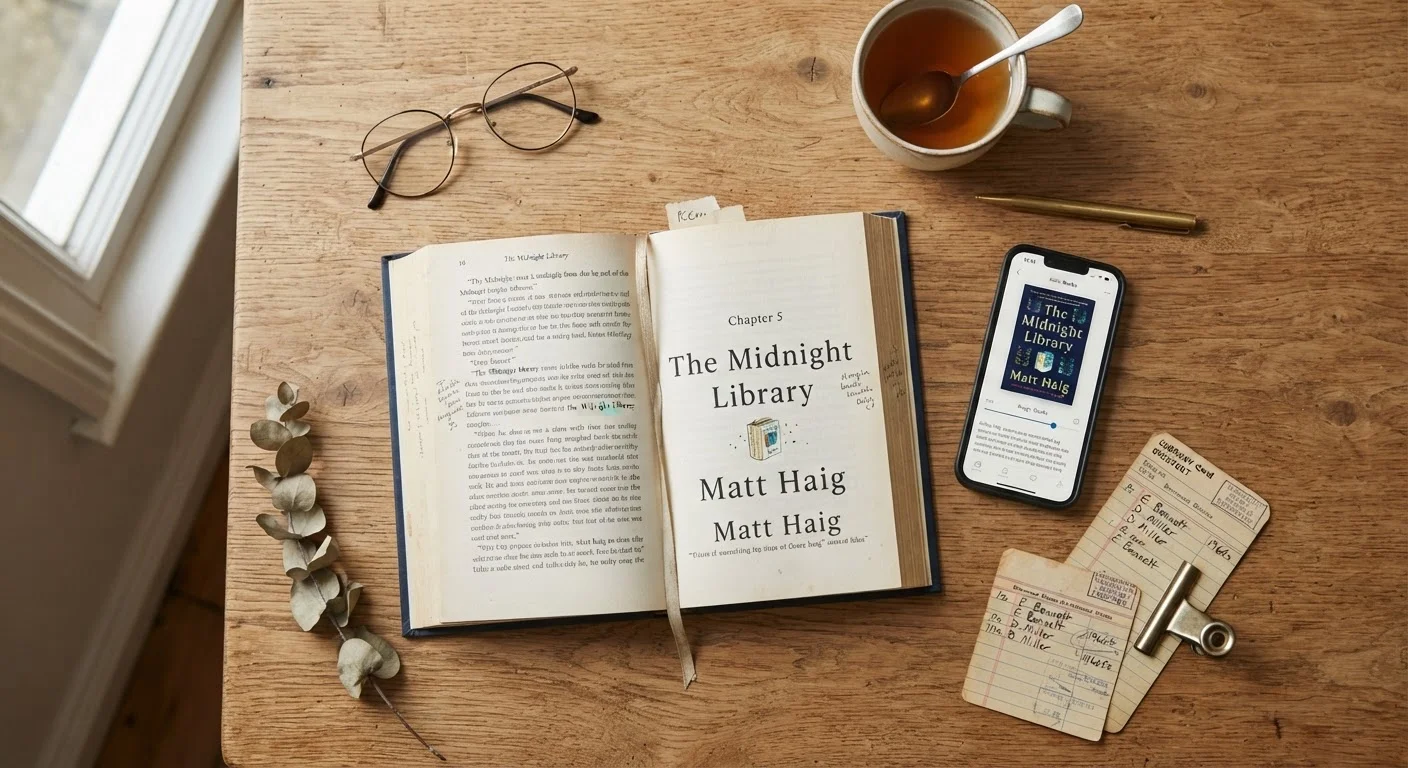
Photo: SaverSteals.com | Explore More. Shop Smarter. editorial
—— In This Article
What Counts as a Free Legal Reading Resource?
A free legal reading resource is any platform, archive, or program that provides access to books, audiobooks, or periodicals at no cost to the reader - without infringing copyright. Two broad categories cover most options available to US readers:
- Public domain works: Texts whose copyrights have expired (generally, US works published before 1928 are fully in the public domain). No permission is needed to read, download, or share them.
- Open-access or licensed programs: Platforms where publishers, libraries, or institutions have voluntarily made content free. Access may require registration but not payment.
Understanding the difference matters because it affects which titles you can find where. Classic literature, historical texts, and early 20th-century nonfiction are abundant in the public domain. Contemporary titles are almost exclusively available through licensed library lending or publisher programs.
Public Domain
Works whose copyright protection has expired or was never established, allowing anyone to read, reproduce, or distribute them freely. In the US, most works published before 1928 are in the public domain.
Open Access
A publishing model where content is made freely available online, often by the author, publisher, or institution, without requiring payment or subscription.
Controlled Digital Lending (CDL)
A framework in which libraries lend digital copies of physical books they own, on a one-copy-one-user basis. Its legal status has been subject to ongoing litigation in the US.
Digital Lending
The practice of borrowing ebooks or audiobooks electronically through a library platform, subject to hold queues and loan periods just like physical books.
Major Categories of Free Reading Access
Below is a lookup-ready breakdown of the main channels US readers can use legally and for free.
| Project Gutenberg collection size | 70,000+ free ebooks (Project Gutenberg) |
| US copyright threshold (pre-1928 works) | Generally public domain (US Copyright Office) |
| LibriVox audiobooks | Public domain, volunteer-narrated (LibriVox.org) |
| Library digital lending apps | Libby, hoopla, Kanopy (most common) (American Library Association) |
| Standard Ebooks focus | Carefully formatted public domain editions (StandardEbooks.org) |
Digital Archives
Project Gutenberg hosts over 70,000 public domain ebooks in plain text, EPUB, and Kindle formats - no account required. The Internet Archive offers a broader collection including scanned physical books, magazines, and audio recordings; it also runs a CDL program that lends digital scans of physical books for limited periods, though this model has faced ongoing legal scrutiny.
Open-Access Academic and Nonfiction Platforms
Readers interested in nonfiction, research, and textbooks can explore Open Library (part of the Internet Archive), Standard Ebooks (which produces carefully formatted public domain editions), and ManyBooks. For academic content, platforms like JSTOR's free-access tier and Open Textbook Library offer no-cost reading without institutional affiliation.
Library-Based Digital Lending
Your public library card remains one of the most powerful tools in this category - unlocking ebook and audiobook lending through services like Libby, hoopla, and Kanopy. If you haven't explored this yet, see what a library card actually unlocks beyond physical shelves.
Free Audiobook Platforms
LibriVox offers volunteer-narrated recordings of public domain books, all freely downloadable. Loyal Books and Lit2Go (maintained by the Florida Center for Instructional Technology) provide additional no-cost audiobook access. For a fuller picture, see free audiobook sources that don't require a subscription.
Common Misconceptions Worth Clearing Up
Several assumptions lead readers to miss resources or stumble into legal gray areas.
- "Free ebooks are low quality." Public domain editions vary, but projects like Standard Ebooks invest significant effort in producing clean, well-formatted files. Quality depends on the source, not the price.
- "If I can download it, it must be legal." Not necessarily. Sites redistributing copyrighted ebooks without authorization do exist. Stick to well-documented platforms with clear licensing statements. For more on navigating this, see common free ebook misconceptions.
- "Library digital lending requires visiting a branch." Most library systems allow fully online card registration for state residents. See how to get started with library ebooks for a step-by-step walkthrough.
A Note on Internet Archive Lending
The Internet Archive's Controlled Digital Lending program has faced significant legal challenges from publishers. While the archive continues to operate, availability of specific titles through its lending program may change. It's worth checking current status before relying on it for titles you urgently need.
If you want to go further and combine multiple free channels into a structured reading plan, combining library apps, archives, and open access covers how to do that practically. And when free options don't cover what you need, discounted book sources are worth knowing.
Books Editorial Team
Books Editorial Team is the collective byline for our editorial team and contributor network. Articles published under this byline or an editorial pen name are researched, written, and reviewed according to our editorial standards for clarity, consistency, and independence before publication.
View author profile