
The Full Picture on Budget Beauty: From Ingredients to Expectations
A comprehensive look at how to navigate affordable beauty — covering formulation basics, smart shopping habits, and realistic expectations.
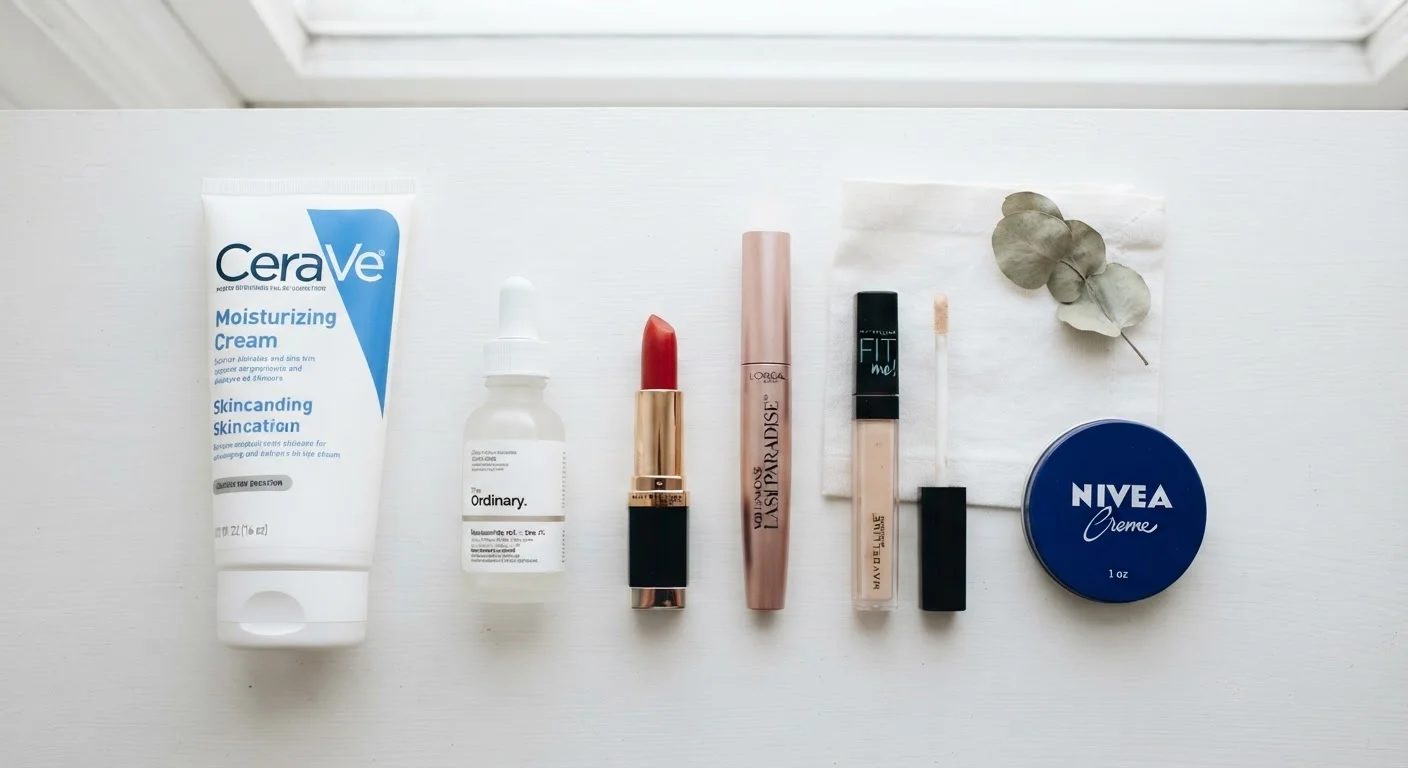
Photo: SaverSteals.com | Explore More. Shop Smarter. editorial
—— In This Article
Key Takeaways
- Price reflects marketing and packaging as much as formulation quality.
- Ingredient lists are the most reliable guide to whether a dupe truly compares.
- Loyalty programs and coupon stacking can meaningfully reduce your beauty spend.
- Some product categories justify higher spending; others rarely do.
- Realistic expectations prevent buyer's remorse and wasted spending.
What 'Budget Beauty' Actually Means
Budget beauty is not simply about buying the cheapest option on the shelf. At its core, it is about understanding the relationship between price and performance - then making intentional decisions about where your money goes. As our editorial on how beauty products are actually priced explains, a product's retail cost is shaped by packaging, marketing spend, and brand prestige, not solely by the quality of its active ingredients.
For budget-conscious shoppers, this distinction is empowering. It means a $9 cleanser and a $45 cleanser can share nearly identical formulations. It also means that in some categories - particularly those where texture, pigment payoff, or specialized actives matter - a price gap may reflect a genuine formulation difference. The skill lies in knowing which is which.
~60%
Of a beauty product's cost attributed to non-formula factors
Industry analyses consistently indicate that packaging, marketing, and retail margin account for a substantial portion of a beauty product's retail price.
Top 5-7
Ingredients that make up most of a formula's composition
Because INCI lists are concentration-ordered, comparing the first several entries is the most efficient way to evaluate two products head to head.
Reading Ingredient Lists Without a Chemistry Degree
Cosmetic ingredient lists follow a standardized naming system called INCI. Ingredients are listed in descending order of concentration, so the first five to seven entries make up the bulk of the formula. When comparing a premium product against a potential dupe, focus on those top entries: the base (water, oils, silicones), the key actives (niacinamide, hyaluronic acid, retinol), and the preservative system.
Common red flags in budget formulations are not necessarily harmful ingredients - they are usually omissions. A moisturizer claiming anti-aging benefits but listing no established actives in the top half of its ingredient list is unlikely to deliver visible results. Conversely, a drugstore serum that lists a meaningful concentration of glycerin and ceramides near the top may outperform a luxury version padded with fragrance and filler extracts.
If ingredient terminology feels overwhelming, our practical glossary of budget beauty terms breaks down the most common labels and claims in plain language.
When evaluating a skincare dupe, search the active ingredient name plus the target percentage concentration - many brands now disclose these on packaging or their websites, making side-by-side comparison far easier.
Concentration matters as much as presence; an active listed last in a formula is unlikely to deliver meaningful results regardless of how prominently it features in marketing.
Patch test any new budget formulation on your inner arm for 48 hours before applying it to your face, especially if the product contains fragrance or essential oils.
Lower-cost products sometimes use fragrance components to mask base odors, and these are among the most common causes of contact dermatitis in cosmetic users.
How to Identify a Genuine Dupe
The word dupe - shorthand for duplicate - describes an affordable product that replicates the key benefits of a pricier one. A true dupe shares meaningful formulation overlap with its inspiration: similar active ingredients, comparable texture, and equivalent performance in use. A product that simply looks alike or is marketed with similar language is not a dupe - it is just a competing product.
To assess a dupe properly, compare ingredient lists side by side and note where the actives appear in each list. Then check the format: the same active in a cream base behaves differently than in a water-based serum. Community review platforms and beauty forums can provide real-world texture and wear comparisons, though individual results vary based on skin type, tone, and application technique.
Not every category has reliable dupes. Our guide to which beauty categories are worth the premium outlines where formulation differences tend to be most pronounced - a useful reference before you commit to a swap.
Where to Find Reliable Savings
Drugstore retailers, mass-market chains, and online marketplaces each offer different saving mechanisms. Loyalty point systems, store-brand alternatives, and seasonal promotions are the most consistent sources of value. Coupon stacking - applying a manufacturer coupon alongside a retailer promotion - can yield meaningful reductions on products you already plan to buy. Our beauty coupons hub covers these strategies in detail.
One often-overlooked tactic is timing replenishment purchases to coincide with predictable sale cycles rather than buying reactively when you run out. Retailers typically run deeper beauty promotions around major shopping events and at the end of seasonal inventory cycles. Buying your staples then - rather than switching products just to chase a discount - keeps your routine stable and your budget lower.
Be alert to the spending triggers that quietly inflate your beauty budget. Our piece on overspending traps in the beauty aisle identifies the influencer-driven launches and limited-edition packaging that encourage impulse buying without improving your routine.
Setting Realistic Expectations
Budget beauty delivers genuine value - but not magic. A $6 foundation may provide excellent coverage for some skin types and struggle on others, just as a $60 one might. Realistic expectations protect your budget as much as any coupon does, because they prevent the cycle of buying, being disappointed, and repurchasing something more expensive out of frustration.
Before purchasing any product, identify the one or two performance criteria that matter most to you: wear time, finish, moisturization, or color payoff. Use those as your benchmark. If a product meets those criteria, it has done its job regardless of price. If it does not, the issue may be formula fit rather than quality - and spending more does not always fix a mismatch.
For a grounded approach to evaluating whether a budget product will actually last and suit your skin, see our guide on making budget beauty purchases that actually last. Thinking about shelf life, packaging integrity, and formula compatibility before you buy is the final piece of a truly informed beauty budget.

Beauty Editorial Team
Beauty Editorial Team is the collective byline for our editorial team and contributor network. Articles published under this byline or an editorial pen name are researched, written, and reviewed according to our editorial standards for clarity, consistency, and independence before publication.
View author profile