
Making Budget Beauty Purchases That Actually Last
Buying affordable products wisely means thinking about shelf life, packaging, and how a formula suits your skin. Here's a grounded approach.
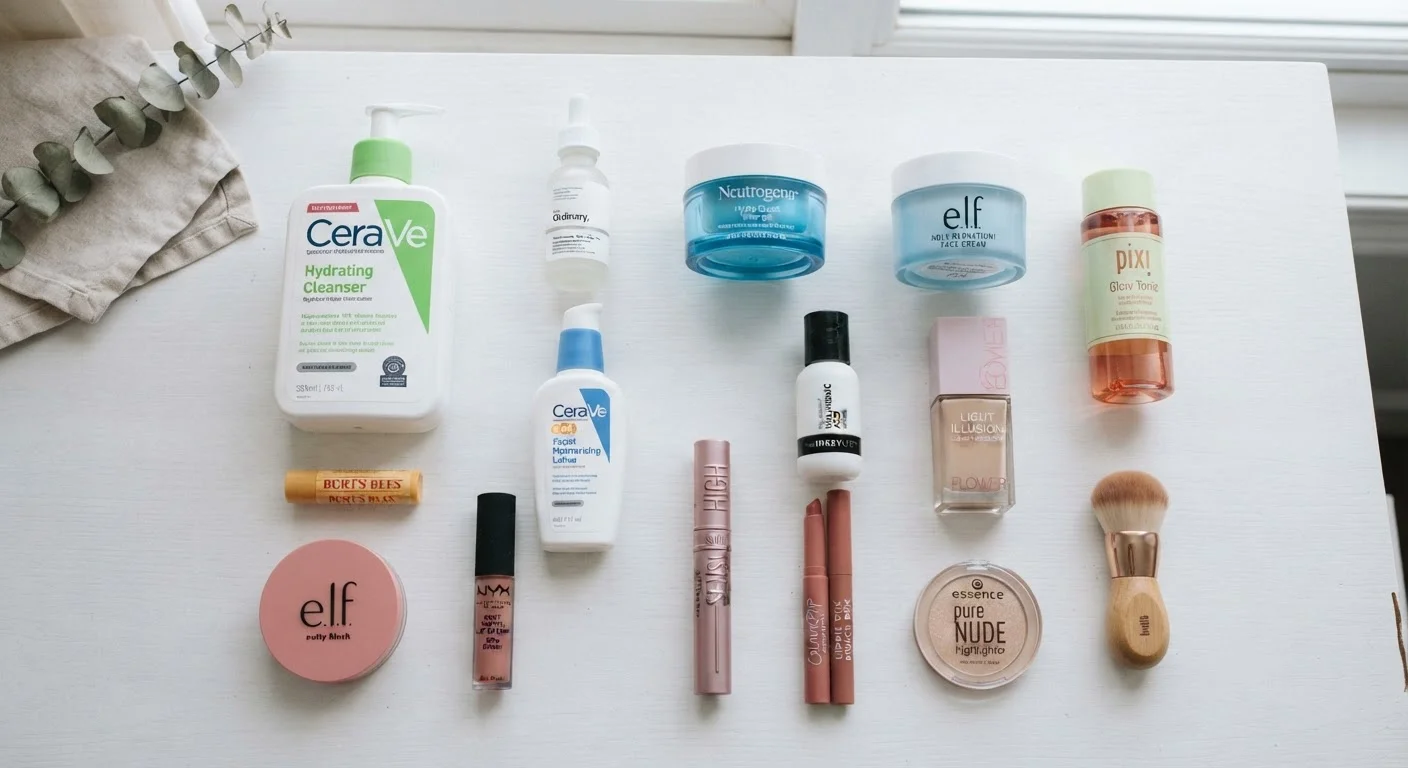
Photo: SaverSteals.com | Explore More. Shop Smarter. editorial
—— In This Article
Key Takeaways
- Reading ingredient lists helps you assess formula quality regardless of price point.
- Packaging type directly affects how long a product remains stable and effective.
- Understanding your skin type before purchasing reduces costly trial and error.
- A shorter, well-matched routine often outperforms a longer, mismatched one.
- Shelf life and product turnover matter as much as the formula itself.
Why Budget Beauty Can Underdeliver - and How to Fix That
Affordable beauty products fail for predictable reasons: a mismatch between the formula and the buyer's skin, packaging that degrades the formula before it's finished, or purchasing volume that outpaces realistic use. None of these problems are exclusive to low-cost products, but they're more likely to go unexamined when price feels like sufficient justification on its own.
The practices in this article are grounded in formulation logic and shopping discipline rather than brand loyalty. They apply whether you're navigating the drugstore aisle or comparing options online. For a broader orientation to the landscape, the full picture on budget beauty is a useful companion read. And if you're new to terms like non-comedogenic or broad-spectrum, a practical glossary of budget beauty terms offers plain-language definitions before you shop.
Ingredient Lists Follow a Standard Order
In the US, cosmetic ingredients must be listed in descending order of concentration under FDA regulations. This means the first five or six ingredients make up the bulk of a formula. Scanning this section alone tells you a great deal about what you're actually paying for - and whether a lower-priced alternative is genuinely comparable.
Practices for Purchases That Actually Pay Off
The following approaches address the most common points where budget beauty purchases fall short - from selection through to use. Applied consistently, they shift the focus from price to genuine value.
Read ingredient lists before making any purchase decision.
The ingredient list is the most reliable indicator of what a formula actually contains - far more so than marketing copy or packaging claims. Recognizing key actives like niacinamide, hyaluronic acid, or glycerin allows you to compare products across price points with genuine confidence.
Match the product to your confirmed skin type, not to a trending routine.
Purchasing products suited to your actual skin concerns reduces the likelihood of irritation, breakouts, or wasted product - all of which cost money. Trend-driven routines often introduce actives your skin doesn't need, which can be both irritating and redundant.
Prioritize stable packaging over attractive outer design.
Certain ingredients degrade rapidly when exposed to air, light, or repeated finger contact. A product in compromised packaging may lose potency well before you finish it, making the per-use cost higher than it appears.
Calculate cost-per-use rather than cost-per-unit.
A higher upfront price can represent better value if the product lasts significantly longer or requires a smaller amount per application. Conversely, a very low price point sometimes reflects a thin formula that depletes quickly.
Check the period-after-opening (PAO) symbol before stocking up.
Buying multiples during a sale only saves money if you'll use the product within its stable window. Expired formulas can lose effectiveness or, in some cases, cause skin reactions - neither outcome justifies the savings.
Audit for ingredient overlap before adding new products to your routine.
Using multiple products that contain the same active ingredient - particularly potent ones like AHAs or retinol - is wasteful at best and irritating at worst. Understanding what's already in your routine prevents redundant purchases.
Check Packaging Before You Commit
Opaque, airless, or pump-style packaging does a far better job protecting active ingredients like vitamin C or retinol from light and air degradation. If an affordable product uses this type of packaging, that's a meaningful quality signal. Wide-mouthed jars, by contrast, expose the formula to repeated contamination - regardless of price.
Start Applying These Today
These quick actions require no new purchases - just a closer look at what's already on your shelf and how you approach your next buy.
Understanding what drives beauty pricing in the first place adds another useful layer. How beauty products are actually priced explains the role of packaging, marketing, and brand prestige in the numbers you see on the shelf. If you prefer to reduce costs without relying on coupons, strategies that don't rely on clipping covers loyalty tiers and purchase timing as practical alternatives.
~$300
Average annual US spend on beauty and personal care
According to data from Statista's consumer spending reports, US consumers spend an estimated $300 or more annually on personal care products, with skincare representing one of the fastest-growing segments.
Up to 80%
Ingredient overlap between drugstore and prestige formulas
Industry formulation analyses have found that many affordable and premium moisturizers share core functional ingredients, with meaningful differences often limited to fragrance, texture, and secondary components.
“The best skincare product is not the most expensive one - it's the one formulated with the right ingredients for your skin that you'll actually use consistently.”
— Paula Begoun, Cosmetic formulation researcher and consumer beauty advocate

Beauty Editorial Team
Beauty Editorial Team is the collective byline for our editorial team and contributor network. Articles published under this byline or an editorial pen name are researched, written, and reviewed according to our editorial standards for clarity, consistency, and independence before publication.
View author profile