
A Practical Glossary of Budget Beauty Terms
Dupe, demi-permanent, broad-spectrum, non-comedogenic — a plain-language reference for the beauty terms that matter when shopping smart.
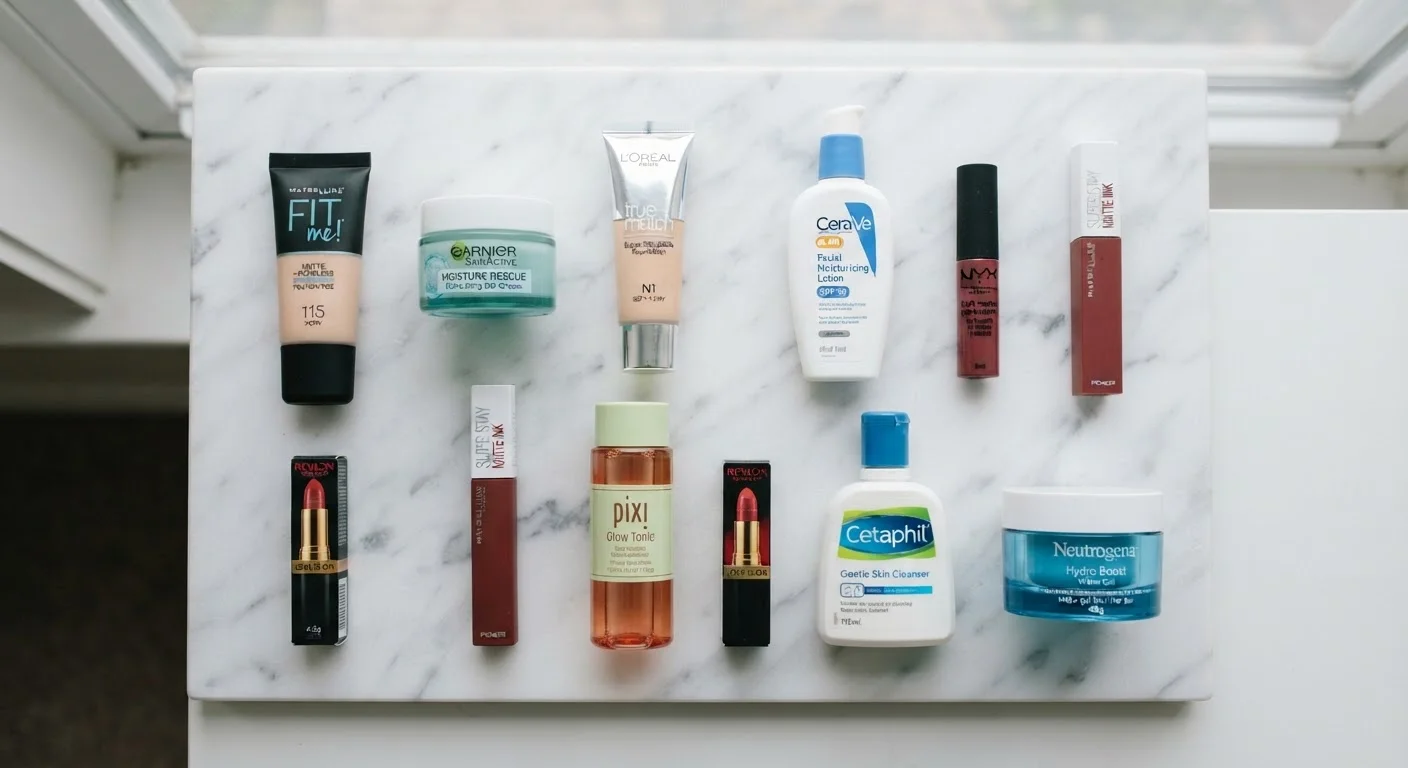
Photo: SaverSteals.com | Explore More. Shop Smarter. editorial
—— In This Article
Why Beauty Terminology Matters for Budget Shoppers
Walking the beauty aisle - or scrolling a product page - means navigating a dense vocabulary: dupe, non-comedogenic, broad-spectrum, demi-permanent. For budget-conscious shoppers, these terms aren't just jargon - they're decision-making tools. Knowing what they mean helps you compare a $7 drugstore option with a $45 prestige alternative and understand what, if anything, you're actually giving up.
This glossary focuses on the terms most relevant to finding value: ingredient language, formulation descriptors, and the shorthand beauty communities use to identify affordable alternatives. For a closer look at how price points relate to what's actually inside a formula, see how drugstore and high-end formulas overlap.
Dupe
Short for 'duplicate,' a dupe is an affordable product widely considered to deliver results similar to a more expensive counterpart. The term is used loosely in beauty communities and doesn't imply identical formulation - always check ingredients rather than relying on the label alone.
Non-comedogenic
A cosmetic claim indicating that a product is formulated to avoid clogging pores. It is not a regulated term, so there is no standardized test that must be passed before a brand can use it - treat it as a signal of intent rather than a guarantee.
Broad-spectrum
Used on sunscreen products to indicate protection against both UVA and UVB rays. Unlike many cosmetic claims, 'broad-spectrum' is an FDA-regulated term in the US and requires passing a specific test before it can appear on a label.
Demi-permanent
A hair color category that deposits pigment without fully lifting the hair's natural color. Demi-permanent formulas typically fade gradually over several weeks and are generally considered less damaging than permanent color, making them a common choice for at-home color correction.
INCI Name
Stands for International Nomenclature of Cosmetic Ingredients - the standardized scientific naming system used on ingredient lists worldwide. Knowing INCI names helps shoppers identify the same ingredient across different products and price points, even when marketing names differ.
Emollient
An ingredient category that softens and smooths skin by filling in gaps between skin cells. Common emollients include shea butter, squalane, and various plant oils. They appear frequently in both budget and prestige moisturizers.
Humectant
An ingredient that draws moisture toward the skin, typically from the environment or deeper skin layers. Hyaluronic acid and glycerin are well-known humectants found across a wide range of price points.
Drug Claim
A label statement that implies a product affects the body's structure or function - such as SPF protection or anti-dandruff claims. In the US, products making drug claims are regulated by the FDA as over-the-counter drugs, which carries stricter requirements than cosmetic labeling.
Transfer-proof
A marketing descriptor suggesting that a product - typically a lip color or foundation - resists transferring onto other surfaces after application. There is no standardized definition or test, so performance varies widely between products using the same claim.
PAO (Period After Opening)
The open jar symbol on packaging indicating how many months a product remains suitable for use after first being opened. Commonly displayed as '12M' or '24M,' PAO is relevant to shelf life and helps inform whether a larger, cheaper package actually represents better value.
Occlusive
An ingredient that forms a physical barrier on the skin's surface to prevent moisture loss. Petrolatum and lanolin are classic occlusives. They are often inexpensive and appear in both drugstore and prestige formulations.
Color Cosmetic
An industry term referring to makeup products - foundation, blush, eyeshadow, lipstick, and similar items - as distinct from skincare. The distinction matters because color cosmetics are regulated differently from products making drug claims.
Formulation and Label Terms to Know
Understanding label claims puts you in control of which products are genuinely suited to your skin - regardless of the price tag. A few categories are especially worth decoding:
- Finish descriptors - terms like matte, dewy, satin, and luminous describe how a product looks on skin after application. These matter most for foundations and primers, where finish affects whether you'll want to layer additional products.
- Skin-type claims - phrases like oil-free, hydrating, or balancing signal the intended skin type. They're useful for narrowing options but aren't regulated the same way as drug claims, so treat them as guidance rather than guarantees.
- Concentration language - when a label says a product contains a particular active ingredient, it typically doesn't disclose the percentage. Learning to read an ingredient list helps you estimate concentration by order of appearance.
| Regulation of 'non-comedogenic' | Not FDA-regulated; a voluntary brand claim (U.S. Food and Drug Administration cosmetic labeling guidance) |
| Regulation of 'broad-spectrum' | FDA-regulated; requires passing standardized testing (U.S. FDA sunscreen monograph) |
| INCI system origin | Developed by the Personal Care Products Council; adopted globally (Personal Care Products Council) |
| PAO symbol meaning | Open jar icon showing months of use after opening (e.g. 12M) (EU Cosmetics Regulation; widely adopted by US brands) |
| Ingredient list order | Listed highest to lowest concentration by weight (US requirement) (21 CFR Part 701, FDA cosmetic labeling regulations) |
| Dupe - formal definition | Community-used term; no standardized industry or regulatory definition |
For coupon and promotional terminology used at checkout - stacking, threshold discounts, loyalty tiers - see the beauty coupon glossary, which covers the retail side of saving separately from product knowledge.
Putting the Terms Together When You Shop
These definitions are most useful when applied in combination. A shopper comparing two concealers, for example, might weigh whether both are non-comedogenic (relevant for acne-prone skin), check whether either carries a drug-claim like SPF (regulated differently from cosmetic claims), and look at where hyaluronic acid appears on each label to gauge relative concentration.
Understanding formulation basics also makes dupe-hunting more systematic. Rather than relying solely on community recommendations, you can evaluate whether an affordable alternative genuinely shares the key ingredients of a pricier product. The full picture on budget beauty article walks through a broader framework for doing exactly that - from ingredient evaluation to setting realistic performance expectations.
Once you've identified products that work for your needs, the next practical question is shelf life and value over time. Making budget beauty purchases that actually last covers how packaging, preservative systems, and formula stability affect whether an affordable product remains a good value after purchase. You can also apply beauty coupons and loyalty programs to stretch your budget further once you know what to look for.

Beauty Editorial Team
Beauty Editorial Team is the collective byline for our editorial team and contributor network. Articles published under this byline or an editorial pen name are researched, written, and reviewed according to our editorial standards for clarity, consistency, and independence before publication.
View author profile