
Used Tools from Day One: A Practical Starter's Roadmap
Never bought a secondhand tool before? This guide covers what to look for, where to shop, and how to avoid costly surprises.
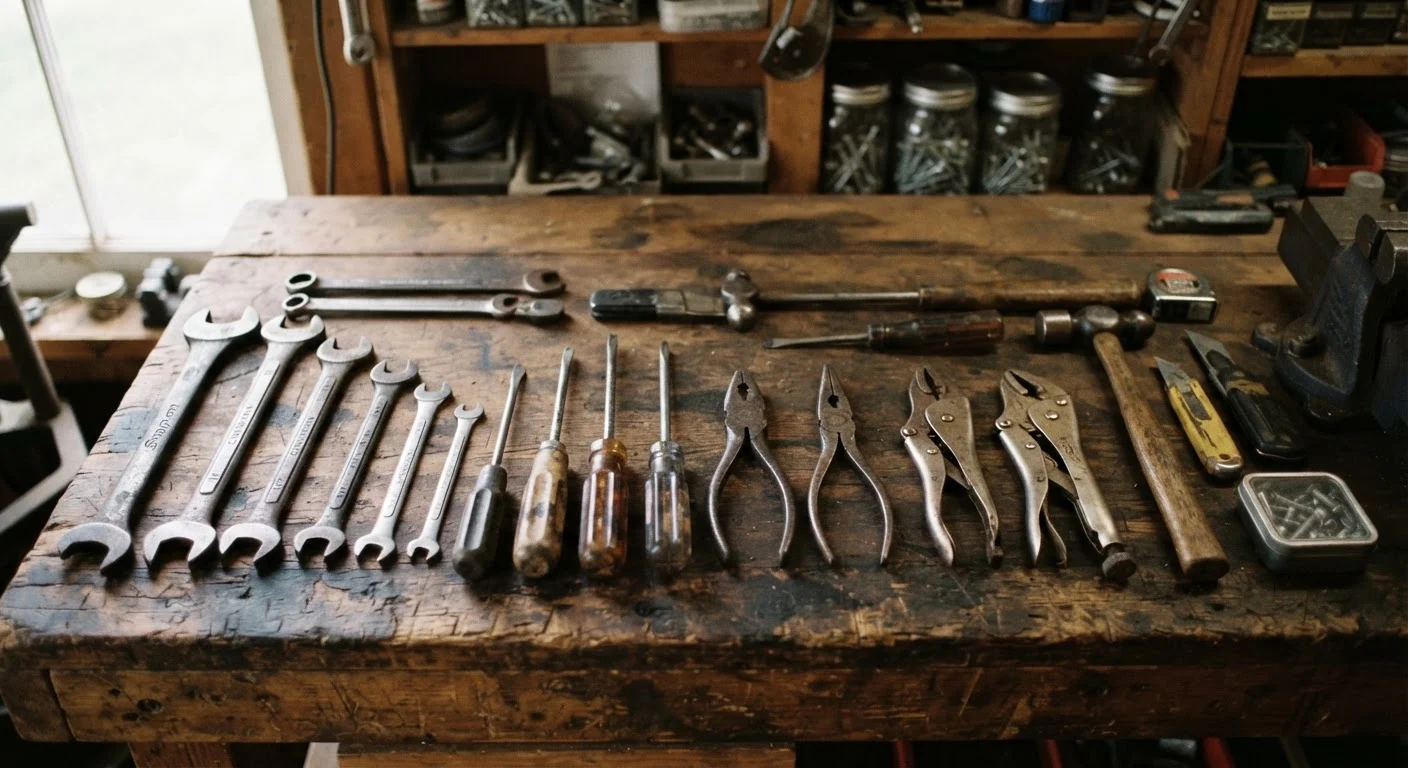
Photo: SaverSteals.com | Explore More. Shop Smarter. editorial
—— In This Article
Key Takeaways
- Hand tools are generally safer secondhand purchases than power tools for first-time buyers.
- Estate sales, tool resellers, and reputable online marketplaces offer the most consistent sourcing options.
- Physical inspection before purchase is the single most reliable way to avoid costly mistakes.
- Online auction lots require extra scrutiny — photos rarely capture hidden damage or excessive wear.
- Starting with a focused, short tool list prevents overspending on items you may not need.
Why Start with Used Tools?
Building a tool kit from scratch is expensive when everything comes off the shelf at retail. The secondhand market offers a practical alternative: tools that have already proven they can hold up, often available at a fraction of new prices. For a first-time buyer, this means you can assemble a functional starter kit without committing serious money to tools you're still figuring out how to use.
The tradeoff is that secondhand purchasing requires more judgment up front. Unlike buying new, you're evaluating individual items rather than relying on manufacturer quality control. That's a learnable skill, and this guide walks you through it step by step. For a broader picture of what the secondhand tool market involves end-to-end, see our comprehensive used tools overview.
Surface rust
A thin layer of reddish-brown oxidation on metal that has not yet eaten into the material. Usually removable with abrasive pads or rust-removing solutions without affecting tool function.
Pitting rust
Advanced corrosion that creates small craters or pits in the metal surface, weakening the material's structural integrity and difficult to fully reverse.
Lot sale
A group of items sold together as a single auction or resale unit, rather than individually. Common at estate auctions and online auction platforms.
As-is sale
A transaction where the seller makes no guarantees about the item's condition or functionality, and the buyer accepts the item in whatever state it's in at time of purchase.
Buyer protection
A policy offered by some online marketplaces that allows buyers to dispute a transaction or request a refund if an item arrives significantly different from its description.
What Tools to Target First
Beginners often make the mistake of buying too broadly, picking up tools they don't immediately need simply because the price looks attractive. A tighter approach works better: identify the five to eight tools you'll actually use in the next few months and focus your sourcing there.
Hand tools are the most forgiving starting point. Hammers, combination wrenches, screwdrivers, needle-nose pliers, and tape measures are all simple to inspect, straightforward to clean, and easy to find in secondhand channels. Power tools involve additional inspection steps and carry more risk — worth understanding before you commit. Comparing hand tools and power tools on the secondhand market breaks down the differences clearly.
Where to Shop for Secondhand Tools
Your sourcing channel matters as much as the tool itself. Each venue has different risk profiles, pricing norms, and inspection opportunities.
- Estate sales and moving sales: Often the most reliable source for older hand tools in usable condition. Prices are typically negotiable and you can inspect in person.
- Tool resellers and used hardware shops: Staff often do basic cleaning and vetting, which reduces your inspection burden somewhat.
- Online classifieds (local pickup): Good for larger items; always inspect in person before exchanging money.
- Online marketplaces: Wide selection, but you're relying on photos and seller descriptions. Stick to platforms with buyer-protection policies when possible.
- Auction houses and estate auctions: Can offer real value, particularly for lots of hand tools, but require more due diligence — covered in the next section.
For a fuller rundown of channels, eight sourcing channels worth knowing about goes deeper on each option.
How to Inspect Before You Buy
Physical inspection is your primary defense against a bad purchase. Before handing over money for any hand tool, work through these fundamentals:
- Check for structural damage: Cracks in handles, bent shafts, or deformed jaws are usually not worth repairing on low-cost tools.
- Assess rust: Surface rust (light reddish discoloration) is generally removable. Pitting rust — where corrosion has created small craters in the metal — compromises the tool's structural integrity and is harder to reverse.
- Test moving parts: Adjustable wrenches, pliers, and ratchets should move smoothly without binding or excessive play.
- Look at wear patterns: A screwdriver tip worn to a rounded nub, or chisel edges that are severely chipped, signals a tool that will need regrinding or replacement before it's useful.
For hand tools specifically, this pre-purchase inspection checklist covers the full process. If you're considering a power tool purchase, run through a safety audit for used power tools before first use.
Bring a Small Test Kit to In-Person Sales
A short checklist on your phone, a small flashlight, and a shop rag can dramatically improve your on-site inspection. The flashlight helps spot hairline cracks and deep rust in poor lighting. The rag lets you wipe off surface grime so you can actually see what you're assessing.
Navigating Online Resale and Auctions
Online purchasing introduces a layer of risk that in-person shopping doesn't: you can't hold the tool before committing. A few habits reduce that risk considerably.
Request additional photos of any area that appears worn, damaged, or unclear in the listing images. A seller unwilling to provide them is a seller worth walking away from. Read item descriptions carefully — phrases like "sold as-is," "untested," or "for parts" are signals that the seller knows of issues they're not disclosing fully.
At auctions, lot-based sales (multiple tools sold together) can deliver good value but make individual inspection impossible. Set a firm ceiling price before bidding, based on your research into comparable listings — not on excitement during the bidding process. Factor in shipping costs and any potential restoration time before you decide what a lot is worth to you.
"Untested" Usually Means Something
When a seller lists a tool as untested, treat it as a signal that the tool may not work — not simply that the seller didn't bother to check. Price your bid or offer accordingly and factor in potential repair or replacement costs. This is especially important for power tools where internal failures are invisible in photos.
Getting Started Without Getting Burned
A few habits will serve you well from your first purchase onward. Keep your initial list short and concrete. Prioritize in-person inspection wherever possible. When buying online, choose platforms with meaningful buyer protection and document everything — screenshots of listings, records of seller communications — before the transaction closes.
Some tools will need light cleaning or minor restoration before they're work-ready. That's normal and often manageable with basic supplies. Knowing upfront which restoration tasks are worth your time — and which signal a tool that's too far gone — saves both effort and money. What's worth restoring and what isn't is a useful reference once you start bringing tools home.
The used tool market rewards patience and methodical sourcing. Start narrow, build your inspection confidence on straightforward hand tools, and expand from there as your experience grows.
Frequently Asked Questions

Tools Editorial Team
Tools Editorial Team is the collective byline for our editorial team and contributor network. Articles published under this byline or an editorial pen name are researched, written, and reviewed according to our editorial standards for clarity, consistency, and independence before publication.
View author profile