
The Secondhand Tool Market: What It Is and How It Works
From estate sales to online auctions, understand the landscape of used tool buying before you spend a cent.
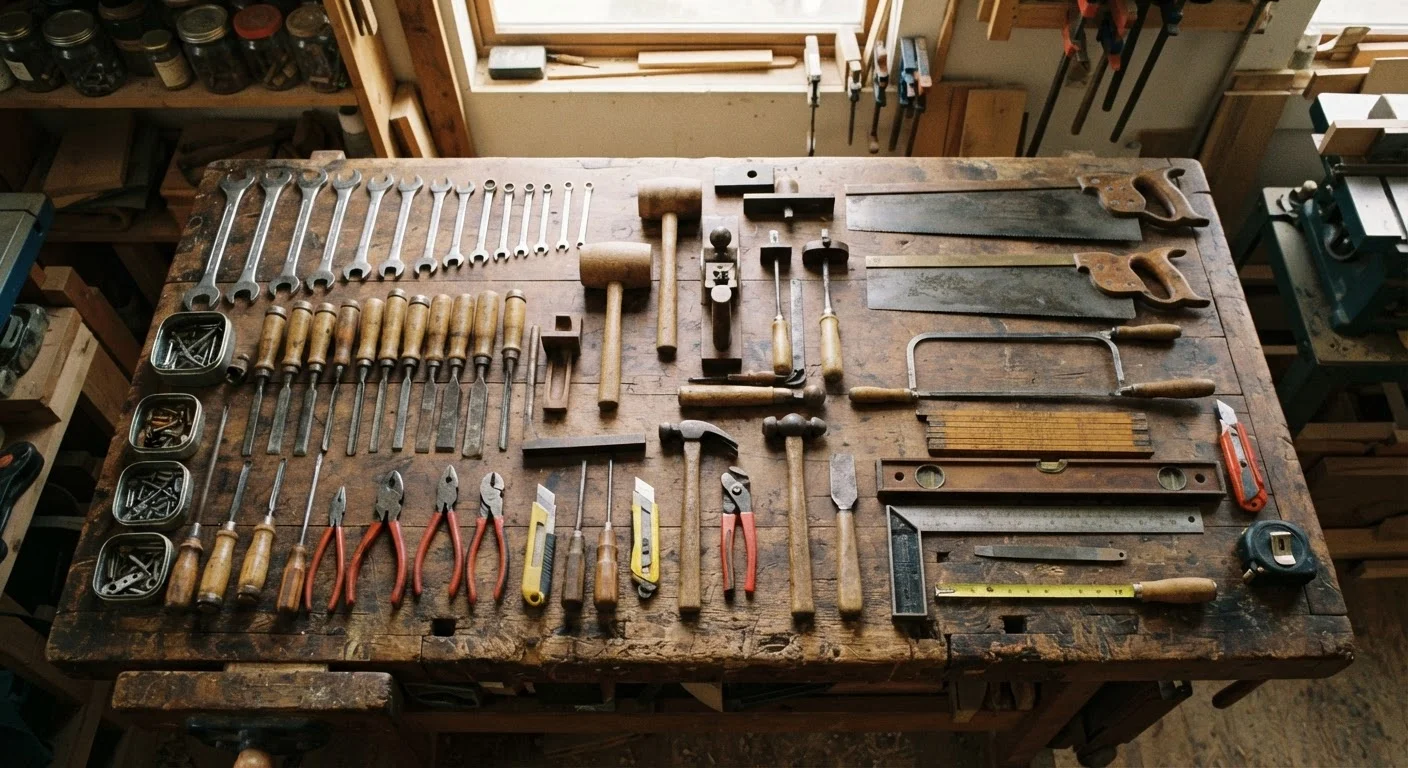
Photo: SaverSteals.com | Explore More. Shop Smarter. editorial
—— In This Article
Key Takeaways
- The secondhand tool market is decentralized, spanning both local and online channels.
- Estate sales and auctions often surface quality tools at lower prices than pawn shops or specialty dealers.
- No universal grading standard exists — condition assessment falls entirely on the buyer.
- Online platforms have expanded reach but also introduced more risk from distance purchases.
- Understanding each channel's norms saves time and reduces the chance of a bad purchase.
What Makes Up the Secondhand Tool Market
The secondhand tool market is not a single place or platform — it's a loosely connected ecosystem of channels that each operate by their own rules, attract different types of sellers, and produce different outcomes for buyers. Understanding its structure is the first step toward navigating it without wasting money or ending up with equipment that doesn't work.
At the broadest level, the market divides into two categories: local, in-person channels and online channels. Local channels include estate sales, garage sales, pawn shops, flea markets, and regional auction houses. Online channels range from national marketplace platforms and dedicated auction sites to local buy-sell-trade groups on social media. Each channel has its own pricing norms, inspection opportunities, and risk profile.
For a deeper look at where to actually shop across these categories, see eight reliable sourcing channels worth knowing before you start.
~$10B+
Estimated US resale market for tools and hardware
Industry analysts broadly estimate the used tools and equipment resale segment at over $10 billion annually in the US, though precise figures vary by methodology.
10–20%
Typical buyer's premium at tool auctions
Most formal auction houses, including online platforms, add a buyer's premium of 10–20% on top of the hammer price — a cost buyers frequently overlook when setting bid limits.
3 in 5
DIY households that own at least one used tool
Consumer surveys in the home improvement space consistently find that a majority of DIY households have purchased at least one secondhand tool, often through a garage sale or estate sale.
How Tools Enter the Resale Pipeline
Most secondhand tools originate from a handful of predictable sources. Estate liquidations are among the richest — a retiring tradesperson or lifelong hobbyist may have accumulated decades of quality equipment. These tools often show real wear but were typically maintained by someone who valued them. Contractor tool-outs happen when a professional switches platforms (say, from one cordless battery system to another) and offloads compatible tools as a package. Single-project sellers are homeowners who bought tools for a specific job and never used them again — these often yield near-new condition at significant savings. Finally, business liquidations — from construction companies, machine shops, or rental fleets — introduce commercial-grade equipment into the resale stream, sometimes at volume.
Knowing a tool's origin helps you calibrate expectations. Estate tools may need cleaning or minor restoration. Rental-fleet tools may have high hours despite looking presentable. This context isn't always disclosed, so asking direct questions about provenance is worth your time.
Ask About the Tool's Background Before Inspecting
Before you spend time evaluating a tool in person, ask the seller two quick questions: where did the tool come from, and how was it used? A tool from a hobbyist's garage means something different than one pulled from a rental fleet. Sellers who can answer these questions with specifics are generally more trustworthy sources than those who can't recall basic history.
How Pricing Works Without a Standard
Unlike retail, the secondhand tool market has no manufacturer's suggested price to anchor transactions. Prices emerge from the intersection of perceived condition, local supply and demand, channel norms, and seller knowledge. A seller who knows what they have will price accordingly; one who doesn't may underprice or overprice equally.
Auction environments add another variable — competitive bidding can push prices above private-sale values for desirable items, and buyer's premiums (a percentage fee added on top of the winning bid) are standard practice at most formal auction houses, both live and online. Always calculate the all-in cost, including any applicable fees, before deciding on a ceiling bid.
Pawn shops occupy a middle ground: prices are negotiable but start higher than estate or private-sale equivalents because the shop needs a resale margin. Flea markets and local classifieds tend to reflect the seller's personal sense of value, which can go in either direction.
If you're new to this space, the practical starter's roadmap for used tools covers what to look for before committing to any purchase.
Online Versus In-Person: The Core Trade-Off
In-person channels give you something online can't replicate: the ability to physically inspect a tool before money changes hands. You can check for cracks, test switches, spin chuck mechanisms, and assess cord condition on the spot. This matters most for power tools, where hidden faults — worn brushes, failing capacitors, compromised insulation — aren't visible in photographs.
Online channels expand your options considerably. A specialized or vintage tool that doesn't exist within driving distance may be available nationally. But remote purchases introduce real risk: photos can be selectively flattering, descriptions can omit key details, and returning a heavy item is logistically painful even when a platform permits it.
The secondhand market operates differently across categories too — for comparison, see how the secondhand furniture ecosystem works, where condition factors and channel norms diverge from tools in instructive ways.
For a comprehensive treatment of everything from sourcing to long-term maintenance, the end-to-end guide to buying and owning secondhand tools covers the full cycle in one place.
Frequently Asked Questions

Tools Editorial Team
Tools Editorial Team is the collective byline for our editorial team and contributor network. Articles published under this byline or an editorial pen name are researched, written, and reviewed according to our editorial standards for clarity, consistency, and independence before publication.
View author profile