
Myths About Buying Used Tools That Keep People Overspending
Are used tools always unreliable? Is new always safer? Evidence-based answers to the most persistent misconceptions.
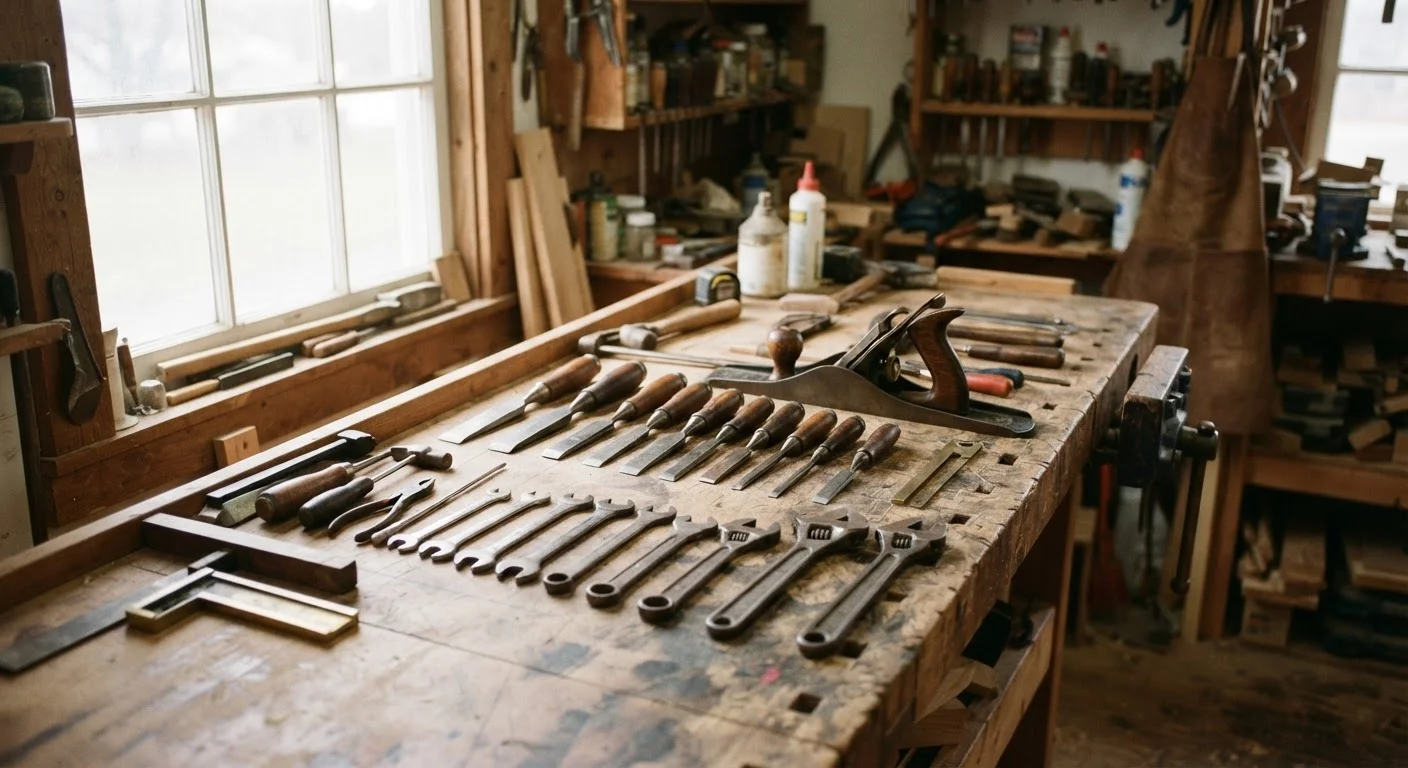
Photo: SaverSteals.com | Explore More. Shop Smarter. editorial
Key Takeaways
- Used tools are not inherently unreliable; condition and category matter far more than age alone.
- Many hand tools improve with age and are among the safest secondhand purchases available.
- Auction and resale platforms vary widely in buyer protections — always research before bidding.
- Skipping inspection because a price seems low is one of the costliest mistakes used-tool buyers make.
- Manufacturer warranties rarely transfer to second owners, so factor that into your total cost estimate.
Why These Myths Cost Buyers Real Money
Persistent misconceptions about the secondhand tool market push buyers toward new purchases they don't need or steer them away from genuinely solid deals. The result is money left on the table — or wasted on avoidable mistakes. This article works through the most common myths one by one, grounding each correction in how the resale market actually operates.
For a broader overview of the full lifecycle of a used-tool purchase, see the comprehensive guide to buying and owning secondhand tools. The myths below are the starting point: once you've cleared them out of your thinking, practical decision-making gets much easier.
Myth
Used tools are always worn out and unreliable — buying new is the only way to guarantee performance.
Fact
Condition, not ownership history, determines reliability. Many secondhand tools outperform budget new tools in the same category.
The assumption treats all used tools as equivalent, ignoring the enormous variation in how tools are stored, used, and maintained. A well-kept hand plane from a hobbyist's workshop can be in better functional condition than a new entry-level equivalent. What matters is an informed inspection: checking for cracks, corrosion, missing parts, and proper function before purchase. Blanket avoidance of used tools doesn't protect buyers — it just redirects spending toward new items that may not be any better suited to the job.
Myth
You can't trust sellers at online auctions — the risk of getting scammed is too high.
Fact
Established resale platforms have buyer-protection mechanisms and seller-rating systems that meaningfully reduce risk when used correctly.
Online auction and resale platforms vary in their protections, but most major US platforms offer dispute resolution processes and require sellers to disclose known defects. Seller feedback scores, transaction histories, and photo documentation all provide signal before you bid. Risk isn't zero — it never is — but characterizing all online used-tool purchases as high-risk ignores the structural protections that exist. Reading platform-specific policies before bidding is a concrete, low-effort step that many buyers skip.
Myth
Older tools are lower quality than modern ones — newer manufacturing is always better.
Fact
Some older tools, particularly those made during mid-century US manufacturing peaks, are sought after precisely because of their material quality and repairability.
Manufacturing quality is not a straight upward line. Certain tool categories — hand planes, cast-iron bench vises, and brace-and-bit sets, for example — are frequently regarded by skilled users as having been produced to higher material standards in earlier decades. Repairability is a related factor: older designs often use straightforward geometry and standardized fasteners, making them easier to restore. That said, older does not uniformly mean better, and some vintage tools suffer from metal fatigue, obsolete designs, or unavailable replacement parts. Each tool warrants individual evaluation.
Myth
If a tool looks dirty or rusty, it's damaged beyond use.
Fact
Surface rust and grime are frequently cosmetic and can be addressed with basic cleaning; structural integrity is what determines whether a tool is usable.
Surface oxidation on cast iron or carbon steel is common in stored tools and does not indicate deep pitting or structural failure in most cases. Light surface rust on a hand-plane sole or a wrench can often be addressed with rust remover and light abrasion. The relevant inspection points are cracks in castings, bent components, stripped threads, and seized mechanisms — not surface patina. Buyers who rule out every rusty tool on sight are frequently passing over serviceable items and overpaying for cosmetically cleaner alternatives.
Myth
Warranties make new tools worth the premium — used tools have no coverage.
Fact
Manufacturer warranties on new tools are often limited in scope and typically do not transfer to second owners anyway, so the warranty gap is smaller than assumed.
Most tool manufacturer warranties in the US cover defects in materials and workmanship for a specified period — they are not blanket performance guarantees. Many explicitly state that coverage applies only to the original purchaser, making them non-transferable. A buyer purchasing new primarily to obtain warranty protection should verify what that warranty actually covers and whether repair service centers are accessible. For many tool types, a thorough pre-purchase inspection of a used item provides more practical assurance than a limited warranty on a new one.
Myth
Auction prices always reflect fair market value — if it sells for a price, that's what it's worth.
Fact
Auction prices are outcomes of specific bidding conditions and can run well above or below actual market value depending on timing, competition, and listing quality.
Auction dynamics introduce variables that have nothing to do with intrinsic tool value: how many bidders were active, whether the listing photos were clear, what day and time the auction closed, and whether the item description used searchable terminology. Tools with poor photos or vague descriptions often sell below comparable items listed more clearly — and vice versa when bidding competition is high. Tracking completed sales across multiple listings over time gives a far more accurate picture of market value than relying on any single auction result.
Applying the Reality: How to Buy Smarter
Correcting these myths changes the questions you ask before buying. Instead of defaulting to new, you evaluate which tools hold up well used, where to source them, and what to inspect. Hand tools — planes, chisels, wrenches, squares — are widely regarded by experienced buyers as low-risk secondhand purchases because they have few or no moving parts and wear is visible. Power tools involve more variables; comparing hand and power tools on the secondhand market lays out those differences clearly.
Low Price Is Not a Substitute for Inspection
A compelling price on a used tool does not offset the cost of an inspection skipped. Missing arbors, cracked housings, or seized gearboxes can cost more to repair than the tool is worth. Always request detailed photos, ask about function, and where possible, test before committing. If a seller resists basic questions, treat that as a signal.
Pricing deserves its own discipline. A tool listed well below comparable resale prices is not automatically a deal. Missing parts, undisclosed damage, or a seized mechanism can turn a low sticker price into a net loss once repairs are factored in. The real total cost of a used tool purchase covers exactly this dynamic. Manufacturing era also matters: tool age and brand history shape secondhand value in ways that cut both directions — some older tools command premiums for good reason, while others are cheap because parts are scarce.
Apply the same skeptical, evidence-first mindset to every category. Myth-driven decisions — whether about tools, garden tools, or used furniture — reliably produce worse outcomes than informed ones.

Tools Editorial Team
Tools Editorial Team is the collective byline for our editorial team and contributor network. Articles published under this byline or an editorial pen name are researched, written, and reviewed according to our editorial standards for clarity, consistency, and independence before publication.
View author profile