
Garden Tool Myths That Keep Costing Gardeners Money
From needing a full tool set to believing cheap tools always fail — common misconceptions lead to unnecessary spending. Here's the reality.
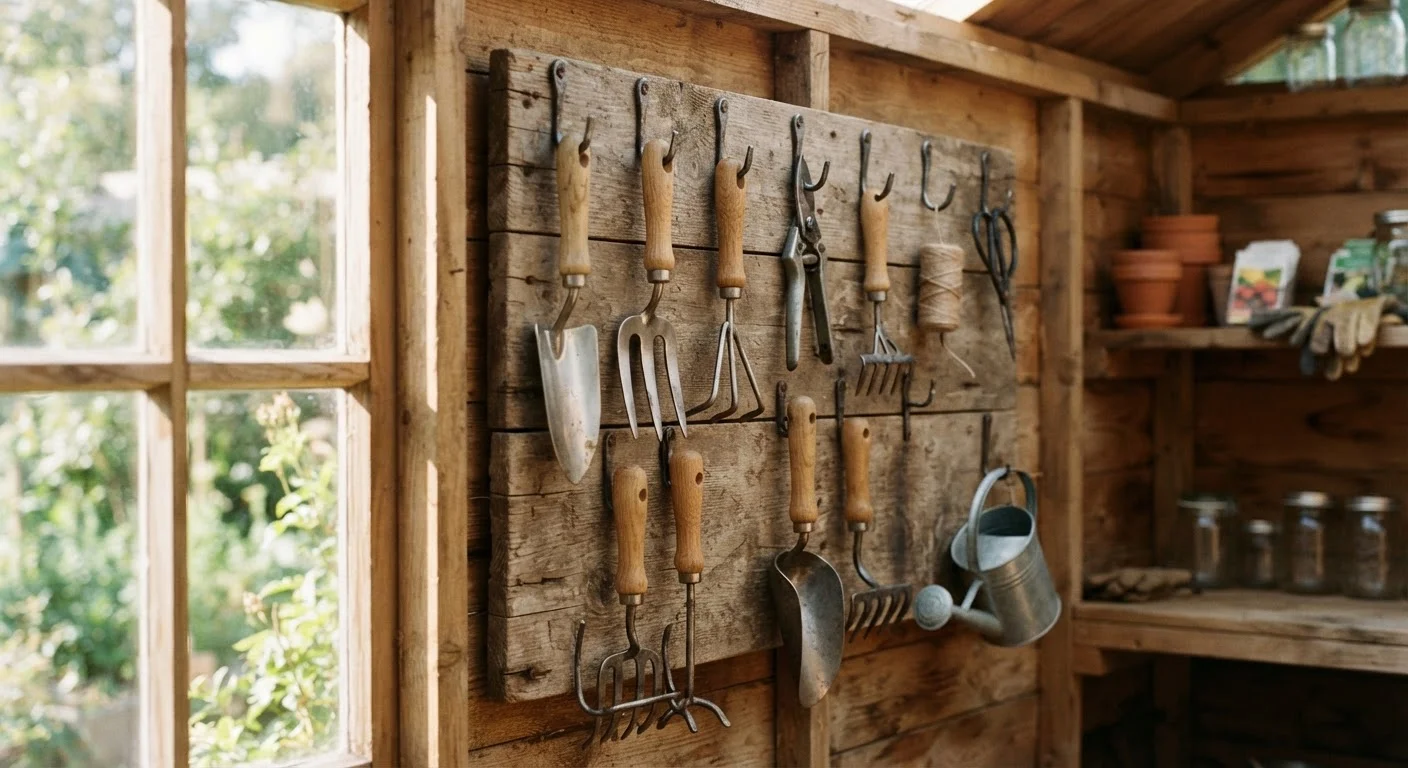
Photo: SaverSteals.com | Explore More. Shop Smarter. editorial
—— In This Article
Key Takeaways
- You don't need a full tool set to maintain a productive home garden effectively.
- Price alone is a poor indicator of a garden tool's durability or usefulness.
- Secondhand tools are often reliable and can represent significant savings.
- Proper maintenance matters more than brand or initial cost for tool longevity.
- Seasonal timing affects plant prices but not always in the ways gardeners assume.
Why Garden Tool Myths Are Expensive
Gardening advice gets passed down through generations, neighborhood fences, and online forums — and not all of it holds up. Some of the most persistent beliefs about garden tools and supplies quietly drain budgets without delivering any real benefit. Whether you're setting up your first garden bed or looking to trim costs on a well-established plot, separating myth from fact can make a meaningful difference.
Similar patterns appear across other spending categories. The belief that higher prices always signal better performance, for example, shapes purchasing decisions far beyond gardening — as explored in our look at sports gear pricing myths. The same logic applies to the garden shed.
Myth
You need a comprehensive set of tools to garden properly, and buying a full kit is more economical than purchasing individual tools.
Fact
Most home gardeners need only four or five core tools; bundled kits often include items that never leave the shed.
Tool kits are marketed as convenient and cost-effective, but they are frequently priced to move inventory rather than to serve your garden's actual needs. A typical home vegetable or flower garden can be maintained with a trowel, a hoe or cultivator, a watering can or hose, and a pair of pruners. Purchasing only what you need — and investing more in those specific items — typically delivers better value than a budget kit padded with redundant pieces.
Myth
Cheap garden tools always break quickly and end up costing more in replacements.
Fact
Price correlates with quality imperfectly; material and construction details are better predictors of durability than the sticker price.
Some lower-cost tools are made from thin steel or brittle plastic and do fail quickly. However, others at a modest price point use adequate materials and construction for light to moderate home garden use. The key is to inspect what you're buying: look for solid steel heads, secure handle attachment, and appropriate weight for the task. A mid-range trowel that is cleaned and stored properly will often outlast an expensive one that's left in the rain.
Myth
Buying plants in spring, at peak season, gives you the best selection and the best value.
Fact
Spring retail demand drives prices up; late-season and end-of-season plants are often healthier than assumed and sold at steep discounts.
Garden centers and nurseries reduce prices significantly on perennials, shrubs, and trees as the main growing season winds down. These plants are not inferior — they have simply passed the highest-demand window. Many perennials and woody plants establish their root systems in fall just as effectively as spring plantings, meaning the discounted purchase can perform identically to the full-price one. Spring shopping offers variety, but it comes at a cost premium driven by consumer timing rather than plant quality.
Myth
Expensive, ergonomic tool handles are a luxury — a standard handle works just as well.
Fact
Handle design does affect fatigue and injury risk, but ergonomic features are available across a wide price range, not only in premium products.
There is legitimate evidence that handle grip, length, and angle affect wrist and shoulder strain over extended use. However, the ergonomic benefit does not require the most expensive option on the shelf. Selecting a tool with an appropriately sized grip for your hand, the correct handle length for your height, and a weight you can manage comfortably will provide most of the ergonomic benefit. Paying a premium solely for a brand's ergonomic labeling is rarely necessary.
Myth
You should replace garden tools as soon as they show signs of wear or rust.
Fact
Surface rust and worn finishes are cosmetic and easily addressed; most tools can be restored with basic maintenance at minimal cost.
Light surface rust on steel garden tools is extremely common and does not indicate structural failure. It can be removed with steel wool or a wire brush, followed by light oiling — a process that takes minutes and costs very little. Handles that have become rough can be sanded and re-oiled. The genuine signal for replacement is structural: a cracked socket, a snapped tine, or a blade that cannot hold an edge after sharpening. Treating cosmetic wear as grounds for replacement is one of the more avoidable garden spending patterns.
Smarter Habits for Garden Tool Spending
Correcting these myths is the first step, but putting that knowledge into practice requires a few deliberate habits. Start by auditing what you already own before any purchase. Duplicate tools and impulse buys are among the most common budget leaks in home gardening — a pattern detailed in our companion piece on how gardeners overspend without realising it.
Avoid Buying Tools for Hypothetical Future Tasks
One of the most common ways gardeners overspend is purchasing tools for projects they plan to undertake someday. Specialty tools for tasks you haven't yet started — or may not — sit unused and depreciate. A more practical approach is to borrow or rent specialty tools for one-off projects and build your owned collection only around regularly repeated tasks.
When you do need to add a tool, consider the secondhand market seriously. Fears about used tools being unreliable are largely overstated, as examined in our article on myths about buying used tools. Solid steel construction and wooden handles can be inspected and restored — qualities that don't disappear with previous ownership.
Finally, match your toolkit to your actual garden size and tasks. A small raised bed and a large landscaped yard have very different requirements. Spending on tools suited to a garden you don't have is one of the most avoidable costs in this category.
4–5
Core tools most home gardens actually require
Gardening extension resources from land-grant universities consistently identify a small handful of hand tools as sufficient for the majority of home garden tasks.
30–50%
Typical end-of-season plant price reduction
Nursery industry pricing patterns show significant markdowns on perennials, shrubs, and trees in late summer through fall across many U.S. regions.

Home & Garden Editorial Team
Home & Garden Editorial Team is the collective byline for our editorial team and contributor network. Articles published under this byline or an editorial pen name are researched, written, and reviewed according to our editorial standards for clarity, consistency, and independence before publication.
View author profile