
Responsible Habits for Maintaining Secondhand Sports Equipment
Keep used gear performing safely for longer with proven care routines covering cleaning, storage, inspection, and knowing when to retire equipment.
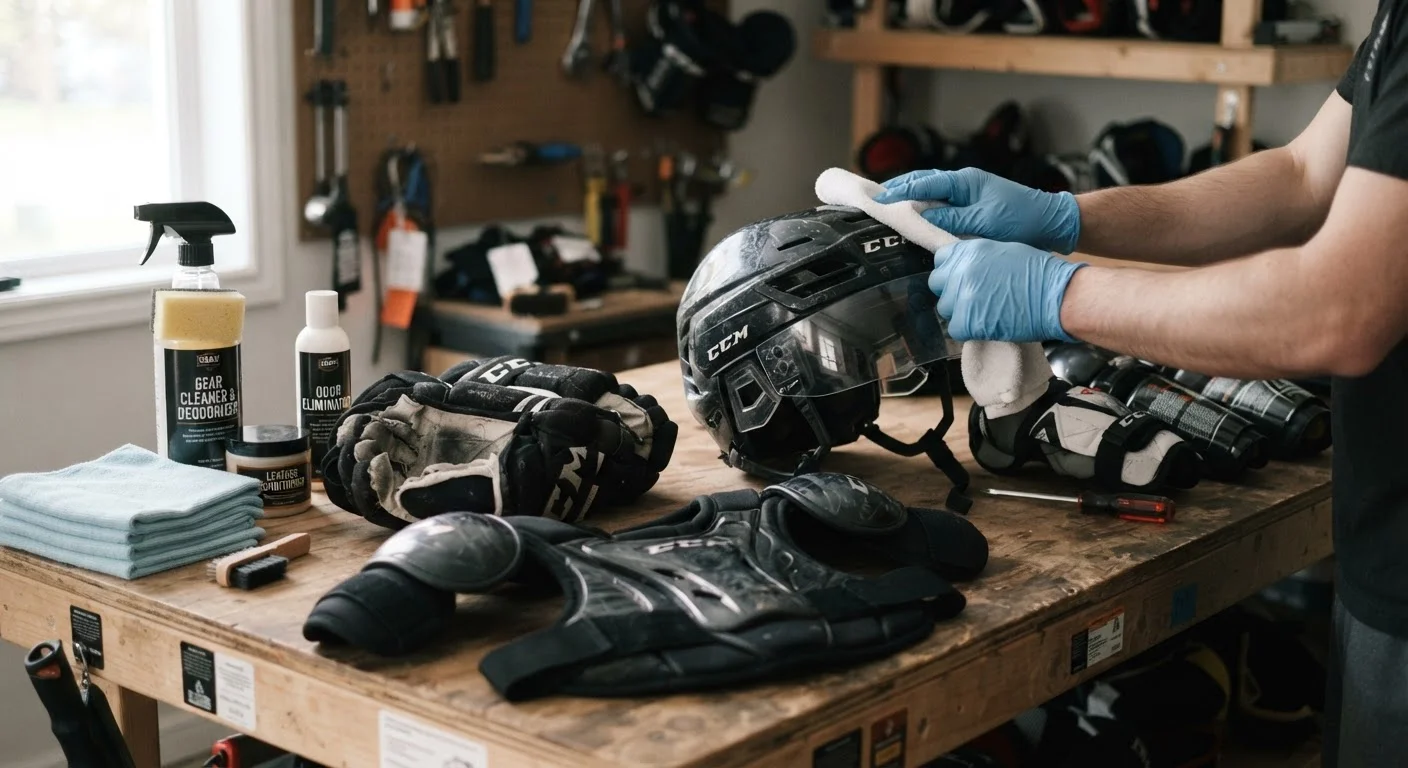
Photo: SaverSteals.com | Explore More. Shop Smarter. editorial
—— In This Article
Key Takeaways
- Clean and sanitize all secondhand gear before first use and after every session.
- Inspect protective equipment carefully for hidden structural damage before each use.
- Proper storage conditions prevent material degradation that shortens equipment lifespan.
- Knowing when to retire gear is as important as knowing how to care for it.
- Some equipment categories should never be bought used regardless of apparent condition.
Start With a Thorough Inspection and Baseline Clean
Before you ever use a piece of secondhand gear, treat it as an unknown. Even equipment that looks clean may carry odor-causing bacteria, mold spores, or hidden structural damage. A baseline inspection and deep clean sets a reliable starting point for everything that follows.
Work systematically. Check stitching, buckles, straps, and closures for wear. On hard goods — helmets, shin guards, knee pads — look for cracks, compressions, or deformations that suggest previous impact. For a full walkthrough of what to examine before purchase, see our first-timer's guide to buying used sports equipment.
Cleaning methods vary by material. Fabric components generally tolerate machine washing on a gentle cycle with sport-specific detergent; hard plastic and foam should be wiped with a mild disinfectant solution and air-dried completely. Never use bleach on foam padding — it degrades the material faster than normal wear. Sanitizing approaches that work for secondhand clothing can also apply to fabric-based sports gear such as gloves and base layers.
Test Closures Before Every Session
Buckles and adjustment mechanisms on secondhand gear have unknown wear histories. Make it a habit to test every closure — helmet buckles, boot clasps, pad straps — before heading out. A 30-second check takes far less time than dealing with equipment failure mid-activity.
Build a Routine Maintenance Schedule
Sporadic care is one of the fastest ways to shorten equipment life. A short, consistent routine after each use — not just at the start of a season — prevents buildup that becomes harder to address over time.
Wipe down hard surfaces and air out fabric components after every use.
Moisture and salt from sweat are the primary accelerants of material degradation in sports gear. Addressing them promptly after each session prevents long-term damage to foam, metal hardware, and synthetic fabrics.
Deep-clean fabric gear at least once per month during active seasons.
Bacteria and odor compounds accumulate even when gear appears clean. A monthly machine wash or hand-wash cycle removes buildup that surface wiping cannot reach, particularly in layered padding.
Inspect all fastening systems — buckles, straps, and lacing — before each use.
Fastening failures are a common cause of equipment malfunction during activity. A strap that gives way on a helmet or knee brace mid-session can eliminate the protection the gear was providing.
Condition leather and natural-material components on a seasonal schedule.
Leather dries out and cracks without periodic conditioning, significantly shortening the life of gloves, saddles, and ball leather. A single season of neglect can cause irreversible stiffness or cracking.
Document any damage, repairs, or wear observations in a simple log.
A short written or photo record of a gear item's condition over time makes it much easier to spot progressive wear patterns and make informed decisions about repair versus retirement.
The level of maintenance needed scales with how frequently and intensely the gear is used. Weekend recreational use requires less attention than daily training, but neither justifies skipping the basics.
Store Equipment Correctly Between Uses
Storage conditions have a direct effect on material integrity. Heat, humidity, UV exposure, and compression all cause degradation over time — particularly in foam padding, rubber soles, and elastic components.
140°F+
Peak interior car temperature in summer heat
Research on vehicle cabin temperatures has documented interior readings well above 130°F on hot days, which is sufficient to warp foam padding and degrade adhesives in sports gear.
3–5 years
Typical foam liner lifespan in helmets
Helmet manufacturers generally recommend replacing helmets every three to five years due to foam degradation, independent of any impact event.
A cool, dry, ventilated space is the default target for most sports gear. Avoid leaving equipment in a car trunk for extended periods; interior temperatures can spike significantly and accelerate material breakdown. Hang padded items where possible rather than compressing them under other gear. Helmets should be stored upright, not stacked.
Skates, cleats, and other footwear benefit from cedar inserts or silica gel packs to manage residual moisture. Bats, rackets, and sticks with wooden components should be kept away from humidity extremes to prevent warping. For a broader view of how different gear types hold up over time, the article on sports equipment that ages well versus gear to avoid buying used is worth reviewing before committing to any secondhand purchase.
Know When to Retire Gear — Not Just How to Maintain It
Maintenance extends useful life, but it cannot reverse structural failure. Recognizing retirement triggers is a non-negotiable part of responsible ownership, especially for protective equipment.
Helmets involved in a significant impact should be retired immediately, regardless of visible damage. Foam liners compress on impact in ways that are not visible externally but meaningfully reduce protection on subsequent impacts. The same applies to pads with cracked shells or foam that no longer springs back under pressure.
Manufacturer Retirement Guidelines Exist for a Reason
Many helmet and protective pad manufacturers publish recommended retirement timelines based on material science, not just visible wear. These timelines apply to new equipment and should be treated as outside limits for used gear — not starting points. When buying secondhand, factor in the unknown prior use history when estimating how much useful life remains.
For non-protective gear, retirement is less safety-critical but still financially relevant. Worn-down cleats reduce traction and increase injury risk. Racket strings that have lost tension affect performance and can alter swing mechanics. Tracking these details keeps your gear working as expected — and tells you when a replacement makes more sense than another repair.
The full lifecycle guide to secondhand sports equipment covers the complete arc from purchase to retirement, which helps calibrate realistic expectations when buying used.

Sports Editorial Team
Sports Editorial Team is the collective byline for our editorial team and contributor network. Articles published under this byline or an editorial pen name are researched, written, and reviewed according to our editorial standards for clarity, consistency, and independence before publication.
View author profile