
The Complete Secondhand Clothing Handbook: From Thrift Racks to Resale Apps
Everything you need to know about buying used clothing — sourcing channels, quality checks, cleaning, pricing, and building a lasting wardrobe.
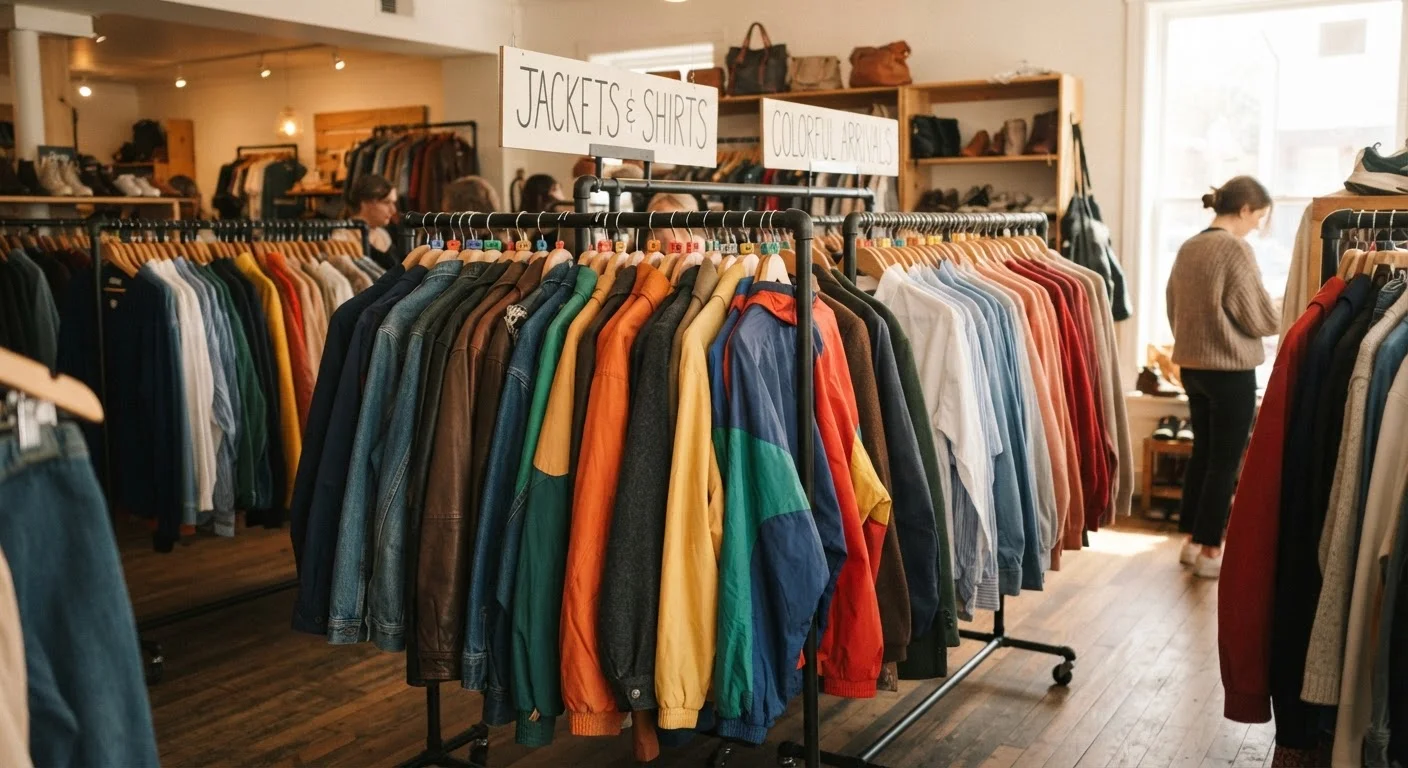
Photo: SaverSteals.com | Explore More. Shop Smarter. editorial
—— In This Article
Key Takeaways
- Thrift stores, consignment shops, and resale apps each serve different needs and price points.
- A quick physical inspection catches most condition problems before purchase.
- Washing all secondhand clothing before wearing is a basic, non-negotiable step.
- Setting a per-item ceiling prevents impulse overspending in secondhand markets.
- A focused wardrobe list helps you shop efficiently and avoid accumulating clutter.
Why Secondhand Clothing Makes Financial Sense
Buying used clothing is one of the most straightforward ways to stretch a clothing budget without sacrificing quality. Garments sold secondhand are typically priced well below retail, and because clothing often depreciates the moment it leaves the store, lightly used items can be nearly indistinguishable from new ones.
The savings potential is real, but it isn't automatic. Impulse purchases, poor condition assessments, and paying inflated prices on resale platforms can all erode the advantage. This guide walks through the entire process - from finding the right sourcing channel to maintaining what you buy - so you can make the most of every dollar spent.
~50%
Average savings vs. retail on used clothing
Industry estimates consistently place secondhand clothing prices at roughly half or less of comparable new retail prices, though this varies by channel and item.
3x
Longer lifespan of quality fabrics with proper care
Textile care research suggests well-maintained natural fiber garments can last three or more times longer than synthetic alternatives with minimal care.
30%
Resale app listings priced near or above retail
Consumer advocates note that a significant share of items on popular resale platforms are priced without meaningful discount over new retail, making price comparison essential.
Mapping the Secondhand Landscape
Not all secondhand channels work the same way, and choosing the right one depends on what you're looking for, how much time you have, and your tolerance for uncertainty.
Thrift Stores
Donation-based thrift stores offer the widest variety at the lowest prices. Stock is unpredictable, but shopping frequently - or on restock days, which many stores publish - improves your odds. These venues suit shoppers who enjoy the search and aren't hunting for a specific item.
Consignment Shops
Consignment stores curate their inventory and typically reject items below a quality threshold. Prices are higher than a standard thrift store, but the inspection burden on the buyer is lower. They're a practical option when you want used clothing without extensive digging.
Online Resale Platforms
Apps and websites focused on secondhand clothing let sellers list individual items with photos and condition descriptions. The selection is vast, and you can filter by size, item type, and condition - a major advantage over physical stores. The trade-off is that you can't handle the garment before buying, so seller reputation and detailed photos matter significantly. Strategies that work well for physical secondhand venues often translate to online resale, as explored in the secondhand sourcing playbook.
Estate Sales and Flea Markets
These venues can surface unusual or vintage pieces at negotiable prices. They're less consistent than thrift stores or apps, but worth exploring if you're looking for specific eras or styles. The venue-by-venue field guide covers how each format operates in more detail.
Inspecting Garments Before You Commit
A quick but systematic check before buying prevents most regrettable purchases. Focus on five areas:
- Fabric surface: Look for pilling, thinning, or sheen on areas like elbows, knees, and seat - signs of heavy wear that can't be reversed.
- Seams and stitching: Pull gently at the seams. Unraveling or gaps indicate structural weakness. Check underarm seams especially, as these face the most stress.
- Stains: Hold the item up to light. Set stains - those that have been through a dryer - are permanent. Fresh or untreated stains may respond to laundering.
- Zippers, buttons, and closures: Test every zipper and confirm all buttons are present and matched. Replacements are possible but add cost and effort.
- Fit: When possible, try the item on. Secondhand sizing is inconsistent across eras and manufacturers, and alterations on structured garments can be expensive.
For a more detailed checklist covering each of these areas, see our condition check guide for secondhand clothing.
On resale apps, filter by 'like new' or 'excellent' condition and cross-reference the seller's photos with their listed measurements - size labels alone are unreliable across decades and markets.
Condition filters reduce inspection time, and measurement data is the only reliable sizing reference when you cannot try an item on before purchasing.
At thrift stores, visit mid-week and ask staff which days new donations are processed - arriving on or just after restock day gives you first access to fresh inventory.
Thrift store inventory turns over continuously, and the best condition items are typically picked quickly; timing your visit around restocks is a consistent advantage.
Pricing, Negotiating, and Knowing Your Limits
Secondhand pricing varies enormously. Thrift stores use internal pricing guides; consignment shops set margins based on original retail value; online sellers price based on comparable listings and demand.
Before shopping, decide on a per-item ceiling based on what the garment would cost you to replace at a discount retailer. If a secondhand item is priced above that threshold, the savings case weakens considerably. This discipline matters most on resale apps, where desirable items can be listed close to or above retail value.
Negotiating is appropriate at flea markets and estate sales, and sometimes at consignment shops. It's generally not applicable at donation thrift stores. When making an offer, be straightforward: propose a specific number rather than asking what the lowest price is.
Watch for Inflated Resale Pricing
Online resale platforms have made it easier for sellers to list used clothing at prices that match or exceed retail. Always search for the item's current new retail price before purchasing secondhand. If the gap is narrow, it may be worth waiting for a retail sale instead. Trending or viral items are especially prone to inflated resale pricing.
Cleaning and Caring for Secondhand Finds
Wash or dry-clean every secondhand garment before wearing it, regardless of how clean it appears. This removes residual odors, skin cells, and any surface contaminants from storage or handling.
Check the care label before washing. Many secondhand items are vintage or from overseas markets and may use different fiber blends than you expect. When in doubt, hand wash in cool water and air dry - the most conservative approach that works across most fabrics.
For delicate items like wool, silk, or structured jackets, professional cleaning is worth the cost. Damaging a quality secondhand find through an improper wash negates the savings entirely.
Once clean, store garments correctly: hang structured items, fold knits to prevent stretching, and keep everything away from direct sunlight to prevent fading.
Building a Lasting Secondhand Wardrobe
The most common mistake in secondhand shopping is buying without a plan. Because prices are low and variety is high, it's easy to accumulate items that don't integrate with the rest of your wardrobe.
Start by listing the specific gaps in your current wardrobe - a structured blazer, a winter coat, everyday trousers - and shop against that list. This keeps purchases purposeful and prevents redundant accumulation.
Prioritize versatile, durable pieces over trend-driven items. Classic cuts and neutral colors remain wearable across seasons and work with more of what you already own. The same principle applies when buying secondhand in other categories - whether clothing, furniture, or gear - as covered in guides like the used furniture buying overview and secondhand sports equipment lifecycle guide.
Finally, revisit your wardrobe periodically. Items that no longer fit or suit your needs can be resold or donated, keeping your closet functional and recouping some of what you spent.
Condition Check Guide for Secondhand Clothing
A structured checklist for evaluating fabric wear, seams, stains, zippers, and fit before committing to any secondhand clothing purchase.
Care Label Decoder
Most garments include standardized international care symbols. A care label reference tool helps you interpret washing, drying, and ironing instructions correctly, especially on older or imported items.
Secondhand Sourcing Playbook
Covers the consistent habits that experienced secondhand shoppers use to surface quality finds early - applicable across clothing, furniture, and more.

Clothing Editorial Team
Clothing Editorial Team is the collective byline for our editorial team and contributor network. Articles published under this byline or an editorial pen name are researched, written, and reviewed according to our editorial standards for clarity, consistency, and independence before publication.
View author profile