
Capsule Wardrobe Planning on a Tight Budget: A Starting Point for New Shoppers
New to building a wardrobe strategically? This beginner's guide explains how to prioritise clothing purchases and use sales without overbuying.
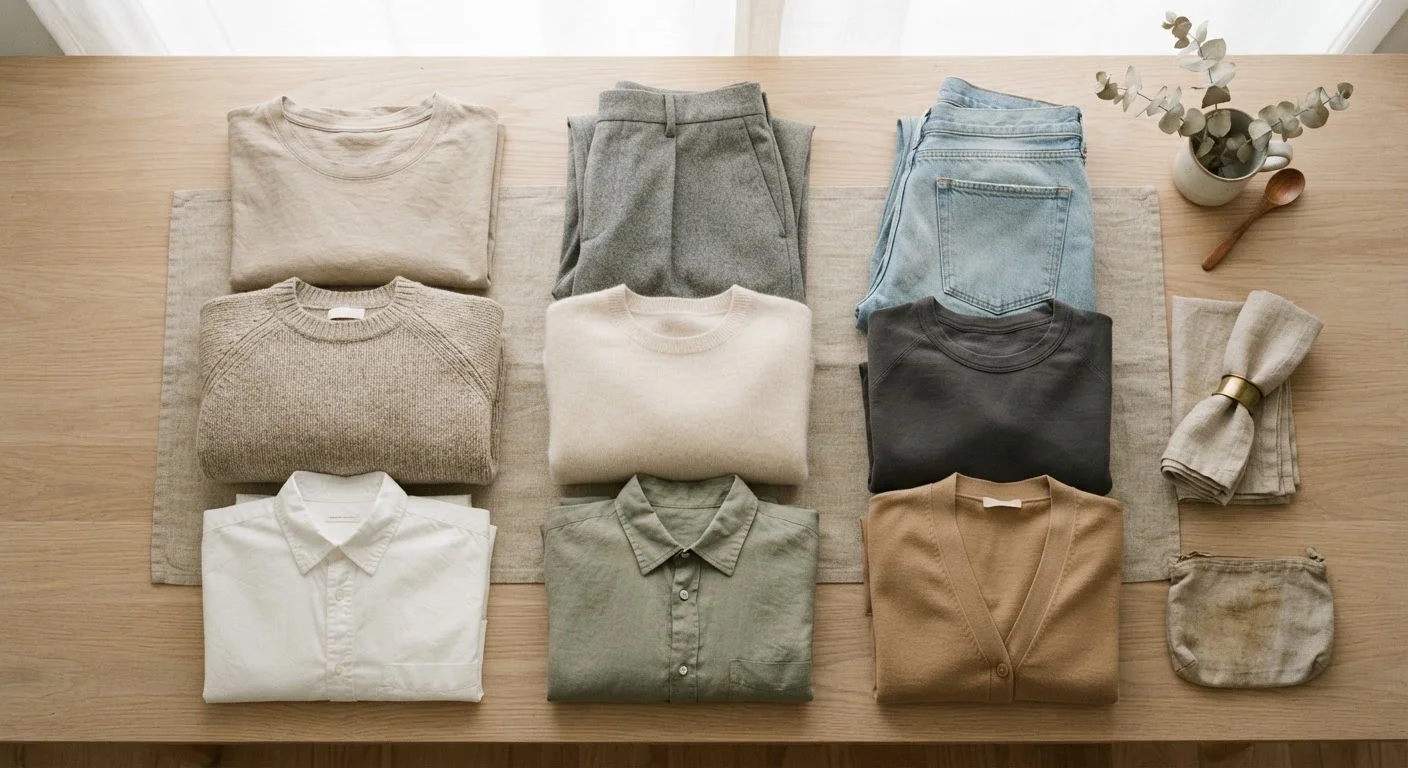
Photo: SaverSteals.com | Explore More. Shop Smarter. editorial
—— In This Article
Key Takeaways
- A capsule wardrobe is defined by intentionality - fewer items that work together - not a specific number.
- Auditing what you already own is the most cost-free first step you can take.
- Buying during sales only helps if you have a pre-defined list of genuine gaps to fill.
- Secondhand shopping can significantly lower the upfront cost of building a functional wardrobe.
- Phasing your purchases over time reduces financial pressure and impulse decisions.
What a Capsule Wardrobe Actually Means
The term "capsule wardrobe" gets used loosely, but the core idea is straightforward: a small, deliberately chosen set of clothing items that work together across multiple outfits. The emphasis is on versatility and cohesion, not minimalism for its own sake.
Capsule wardrobe
A small, curated collection of clothing items chosen to work together in multiple combinations, reducing the need for a large wardrobe.
Wardrobe gap
A category or item type you genuinely need but don't currently own - identified by observing what causes recurring getting-dressed problems.
Cost-per-wear
The total price of an item divided by the number of times you wear it. A higher-priced item worn frequently can cost less per use than a cheap item worn rarely.
Phased purchasing
Buying items gradually over time rather than all at once, which reduces upfront cost and allows you to make more considered decisions.
End-of-season clearance
A retail discount period when stores reduce prices on current-season inventory to make room for the next season's stock, typically offering the steepest markdowns of the year.
For new shoppers, the practical implication is that every piece you buy should be able to pair with at least two or three things you already own. If it only works as a standalone item, it's adding complexity - not reducing it. This is the filter that separates intentional wardrobe-building from general shopping.
Starting With What You Already Have
Before spending anything, do a full audit of your current clothing. Pull everything out, set aside items you haven't worn in the past year, and identify what you actually reach for regularly. This step costs nothing and often reveals that you already have a partial foundation to work from.
Look for patterns in what you wear most. If you keep reaching for the same three pairs of pants and rotating through five shirts, those items are the core of your existing capsule. Your job is to identify genuine gaps - not categories you feel you should have, but items that would solve a recurring getting-dressed problem.
Make a 'keep, gap, remove' list
As you audit your closet, sort items into three groups: things you wear regularly (keep), categories you clearly lack (gap), and items you haven't touched in a year (consider removing). The gap list becomes your shopping guide. The remove pile can be donated or sold - potentially recovering a small amount to put toward gap items.
How to Prioritise Purchases on a Limited Budget
Once you know your gaps, rank them by how often you'd use each item. Daily-use gaps - a reliable pair of dark jeans, a versatile layering top - take priority over occasion-specific items. A rule of thumb: if you can't imagine wearing it at least once a week in your current life, it's not a high-priority gap.
Write the list down before you look at any prices or sales. The list should drive your shopping, not the other way around. This is the single most effective structural habit for avoiding clutter-building impulse purchases. The same phased logic applies across other budget categories - for instance, staggering purchases over time is a well-established way to reduce total spend without sacrificing quality.
When comparing options for a gap item, weigh cost-per-wear rather than sticker price. A $40 item worn 80 times costs less per use than a $15 item worn 10 times.
Using Sales Without Overbuying
Sales are genuinely useful - but only if you approach them with a defined list. The mechanics of retail discounting mean that end-of-season clearance events (typically January-February and July-August in the US) offer the steepest reductions on outgoing inventory. These are good moments to fill gaps for items you'll need in the next season.
The trap most shoppers fall into is browsing sales without a list and buying whatever looks like a good deal. The result is a wardrobe full of discounted items that don't work together. For a practical breakdown of how to navigate this, see strategies for shopping sales without accumulating clutter.
A useful pre-sale discipline: before clicking purchase on anything discounted, ask whether you'd buy it at full price if that were your only option. If the honest answer is no, the discount is not making it a good purchase - it's just making a mediocre purchase feel more acceptable.
Secondhand as a Budget-Friendly Entry Point
For shoppers working with a tight upfront budget, secondhand and resale channels can dramatically lower the cost of filling wardrobe gaps - particularly for basics and staples where newness isn't a meaningful factor. Thrift stores, consignment shops, and resale apps all offer entry points at different price levels and with different levels of curation.
The challenge with secondhand shopping is that it requires more patience and discipline than buying new, since you're browsing available inventory rather than choosing from a full range. Going in with a specific list of gap items helps enormously here - it keeps you from buying things just because they're cheap. For a more structured approach to building a secondhand wardrobe, these principles for intentional secondhand shopping cover the key habits in detail. You can also explore the broader secondhand clothing resource hub for channel-specific guidance.
Starting with secondhand for lower-priority or experimental items - a color you're not sure about, a silhouette you want to try - also reduces financial risk while you're still figuring out what actually works in your wardrobe.
Frequently Asked Questions

Clothing Editorial Team
Clothing Editorial Team is the collective byline for our editorial team and contributor network. Articles published under this byline or an editorial pen name are researched, written, and reviewed according to our editorial standards for clarity, consistency, and independence before publication.
View author profile