
Refurbished vs New Electronics: What You Actually Give Up
A clear-eyed look at the real differences between buying refurbished and new electronics — from warranties to longevity.
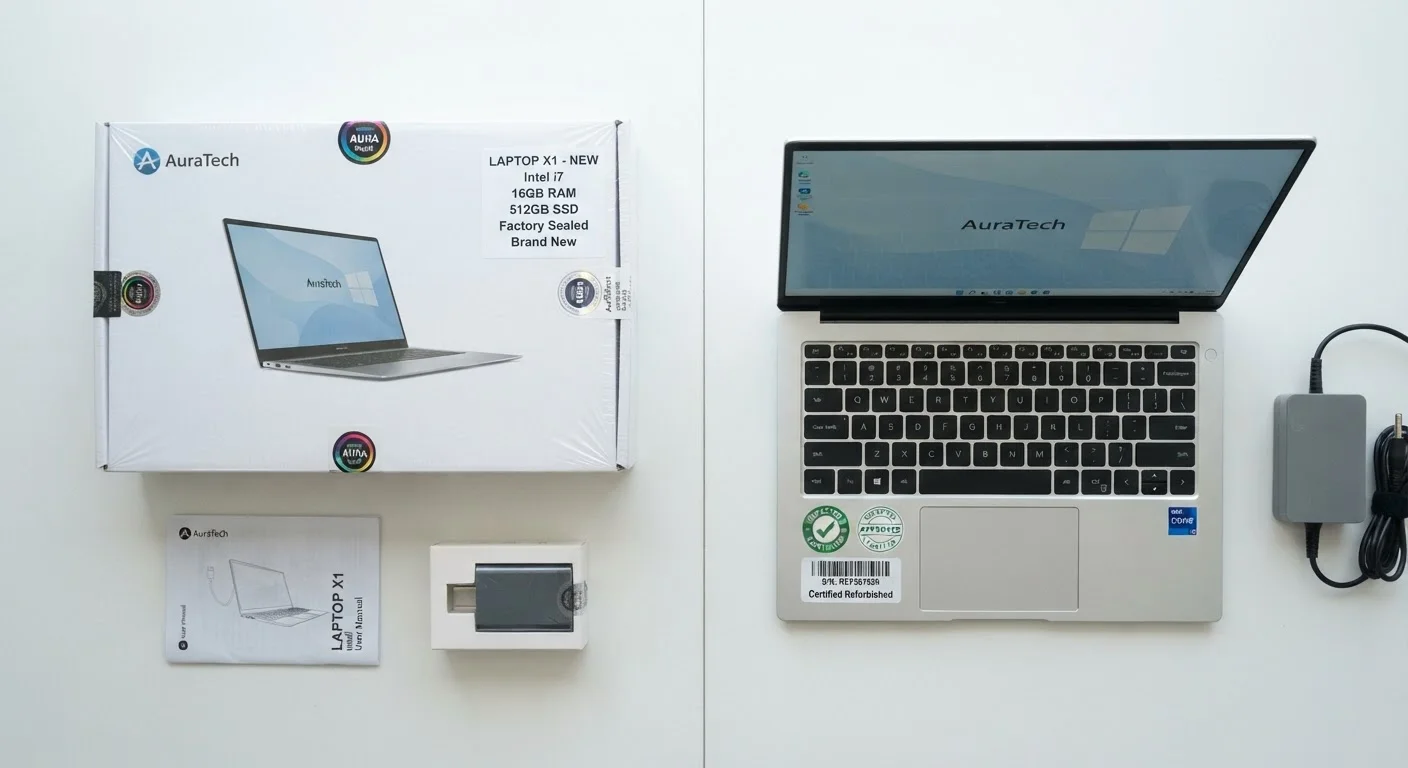
Photo: SaverSteals.com | Explore More. Shop Smarter. editorial
—— In This Article
Key Takeaways
- Certified refurbished electronics go through inspection and testing, but warranty terms vary significantly by seller.
- New devices carry full manufacturer warranties; refurbished units typically offer shorter or more limited coverage.
- Cosmetic grading systems determine the visible condition of refurbished items - reading them carefully matters.
- Software support timelines are tied to model age, not purchase condition, so older refurbished models may age out sooner.
- Reputable refurbishment programs from manufacturers reduce risk considerably compared to unverified third-party sellers.
What 'Refurbished' Actually Means
The word refurbished covers a wide spectrum. At its most rigorous, it describes a device returned to a manufacturer, inspected component by component, repaired where necessary, cleaned, and repackaged - then sold with a defined warranty. At the other end of the spectrum, it can mean a lightly wiped device relisted by a third-party reseller with minimal documentation.
That gap matters enormously for buyers. A manufacturer-certified refurbished unit from a major electronics brand is a fundamentally different purchase from a device graded and listed by an independent warehouse. Understanding how manufacturer and third-party refurbishment processes differ is one of the most useful steps a buyer can take before committing.
By contrast, new electronics carry no prior use history. Every component is untouched, and the device ships with the full manufacturer warranty applicable in your market. The trade-off is straightforward: you pay a premium for that certainty.
Certified Refurbished Is a Defined Standard
Major manufacturers and several large retailers use the term 'certified refurbished' to signal that a device has passed a defined inspection and testing process. This distinguishes certified units from seller-graded 'refurbished' listings, which may apply no formal standard at all. When in doubt, look for programs backed by the original manufacturer or a clearly documented third-party process.
The Real Differences: Warranty, Condition, and Software Life
Three factors separate a new purchase from a refurbished one in practical terms:
- Warranty length and scope. New devices typically carry a one-year limited manufacturer warranty as a baseline, with the option to extend. Refurbished units from certified programs often offer 90 days to one year - sometimes matching the new warranty, sometimes falling short. Third-party refurbishers may provide even less. For a detailed breakdown of your actual rights, see what warranty and return protections apply to refurbished electronics.
- Cosmetic condition. Refurbished devices are assigned grades (commonly A, B, or C - though labeling varies by seller). Grade A typically means near-perfect cosmetically; Grade C allows visible wear. New units arrive unmarked. Refurbished and open-box labels aren't interchangeable, and misreading them is a common mistake.
- Software support timeline. Operating system updates and security patches are tied to model generation, not purchase date. A refurbished phone or laptop from two years ago has two fewer years of remaining support than a current-generation new device - a consideration that matters most for security-conscious users.
| Criterion | New Electronics | Refurbished Electronics |
|---|---|---|
| Warranty | Full manufacturer warranty (typically 1 year) | 90 days to 1 year, varies by program |
| Cosmetic condition | Pristine, no prior use | Grade-dependent; minor wear possible |
| Software support timeline | Maximum remaining support window | Shorter window if older model generation |
| Price point | Full retail price | Typically lower than new retail |
| Risk of misrepresentation | Very low | Low (certified) to higher (unverified sellers) |
| Return policy | Standard retailer policy | Varies; check before purchasing |
| Component history | No prior use | Previously used; inspected and tested |
Where the Risk Actually Sits
Many concerns about refurbished electronics are overstated. Common myths around refurbished reliability and battery performance persist despite evidence that certified programs apply meaningful quality controls. The real risk is not with reputable certified programs - it's with unverified sellers who use the word loosely.
Practical steps that reduce risk include: confirming the refurbisher's return window, checking whether the warranty is backed by the manufacturer or only the reseller, reading the cosmetic grade description carefully, and choosing categories where hardware matures slowly. Some electronics categories suit refurbished buying far better than others.
For first-time refurbished buyers, starting with the basics of refurbished grading and sourcing before committing to a purchase is a sensible approach. If you're weighing a specific device type, the tradeoffs in refurbished smartphones illustrate how category-specific considerations play out.
15-50%
Typical price reduction for certified refurbished devices
Industry estimates commonly place certified refurbished pricing 15-50% below new retail, depending on device category and model age.
~80%
Refurbished units passing inspection without part replacement
Studies of certified refurbishment programs suggest a majority of returned devices require only cleaning and testing rather than component replacement.
Making the Decision Work for Your Situation
New electronics suit buyers for whom warranty coverage, software longevity, and cosmetic perfection are non-negotiable - or for whom the device will be used intensively and expected to last many years. The certainty premium is real and justified in those circumstances.
Refurbished electronics make more sense when the device category is mature, the buyer is comfortable reading condition grades and warranty terms, and the savings will be put to tangible use. The consideration doesn't end at purchase: whether to add an extended warranty is worth evaluating for refurbished purchases where the included coverage is short.
Neither path is universally superior. The decision turns on how you weigh price certainty against warranty certainty - and how much homework you're willing to do before buying.
This article is for informational purposes only. Warranty terms, refurbishment standards, and seller policies vary by retailer and region. Always verify coverage details directly with the seller before purchasing.

Electronics Editorial Team
Electronics Editorial Team is the collective byline for our editorial team and contributor network. Articles published under this byline or an editorial pen name are researched, written, and reviewed according to our editorial standards for clarity, consistency, and independence before publication.
View author profile