
The Myths Keeping People Away from Refurbished Electronics
Separating fact from fiction on refurbished tech — from battery life fears to assumptions about reliability and safety.
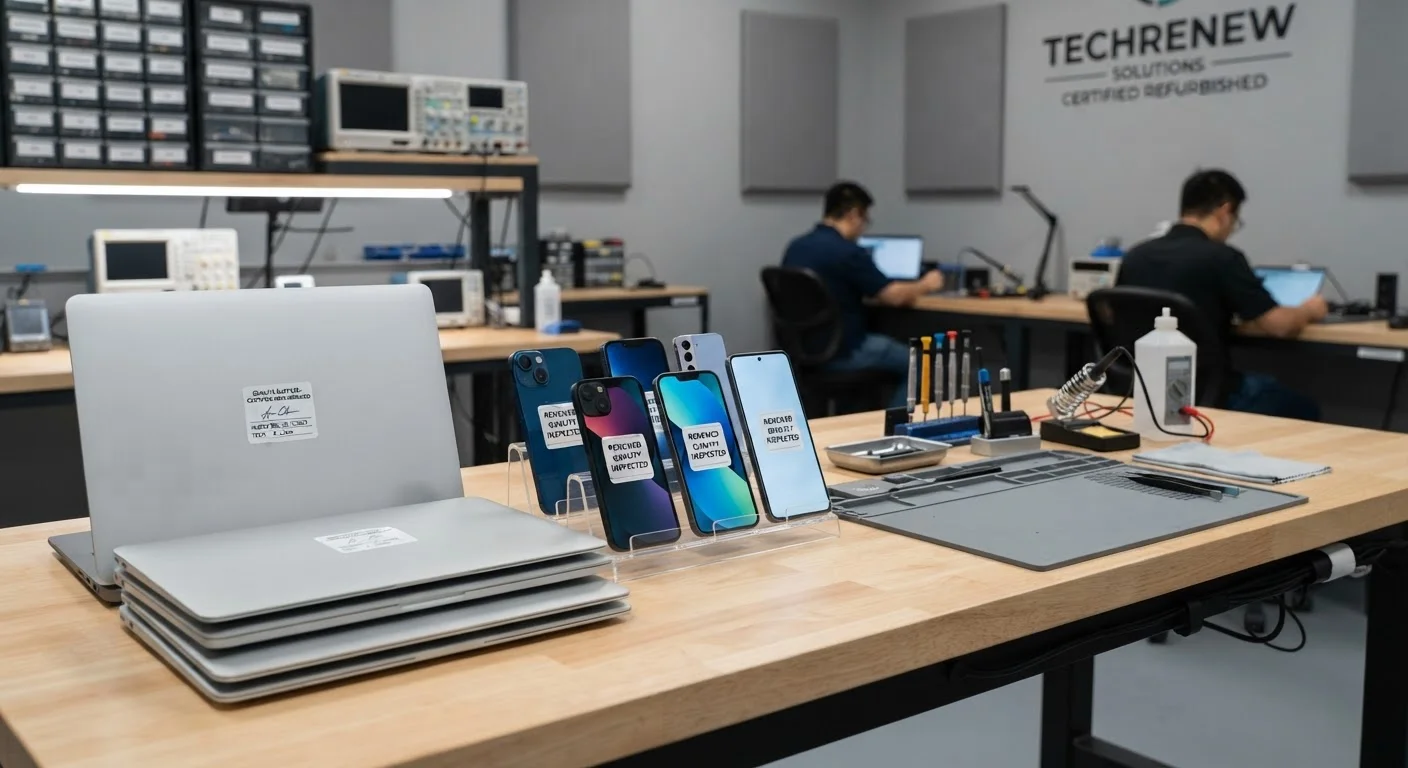
Photo: SaverSteals.com | Explore More. Shop Smarter. editorial
—— In This Article
Key Takeaways
- Certified refurbished devices go through documented testing and inspection processes before resale.
- Manufacturer and retailer refurbishment programs often include limited warranties comparable to new-device coverage.
- Battery condition depends on the specific refurbishment grade, not on refurbished status alone.
- Many refurbished devices were returned unused or with minor cosmetic issues, not because of defects.
- Buying from reputable certified programs significantly reduces risk compared to informal resale.
Why These Myths Persist - and Why They Matter
Skepticism about refurbished electronics is understandable. The category lacks a single universal standard, terminology varies by retailer, and past experiences with informal used-tech purchases can color perceptions unfairly. But conflating certified refurbished programs with informal secondhand sales leads many shoppers to dismiss a genuinely viable option without accurate information.
The myths below are among the most common barriers. Each one contains a kernel of concern worth acknowledging - but each also overstates the risk in ways that don't reflect how reputable refurbishment programs actually operate.
Myth
Refurbished electronics are just broken products that have been patched up and resold.
Fact
A significant share of refurbished devices were returned for reasons entirely unrelated to hardware failure - including buyer's remorse, wrong color ordered, or unopened-box returns.
Consumer electronics return data consistently shows that a large portion of returned products have no functional defect. Retailers and manufacturers refurbish these items - cleaning, re-testing, and repackaging them - before resale. Understanding where refurbished electronics actually come from helps clarify that "refurbished" describes a process, not a history of malfunction.
Myth
The battery in a refurbished device will always be degraded and unreliable.
Fact
Battery condition varies by grade and program; many certified refurbishment processes include battery replacement or a minimum capacity threshold requirement.
Battery health is one of the most legitimate concerns with used electronics, but it is not a foregone conclusion in certified refurbished units. Manufacturer programs often specify a minimum battery capacity - commonly 80% or higher - and replace batteries that fall below that threshold. Grading systems exist precisely to communicate this kind of condition information. Reviewing the grade definitions before purchasing tells you far more than the word "refurbished" alone.
Myth
Refurbished devices come with no warranty and no recourse if something goes wrong.
Fact
Many manufacturer and major retailer certified refurbishment programs include limited warranties, and consumer protection rights may apply regardless of warranty language.
Warranty coverage on refurbished electronics varies by source, but it is far from universally absent. Manufacturer-certified programs frequently offer 90-day to one-year limited warranties. Independent refurbishers vary widely, which is why sourcing matters. For a detailed breakdown of what warranty rights and return policies typically look like, the guide on buying refurbished tech safely covers this topic in depth.
Myth
Refurbished electronics are cosmetically identical to used secondhand items sold by private individuals.
Fact
Certified refurbished devices are graded by condition, and many grades explicitly require cosmetic cleaning or minor repairs before a device qualifies for resale.
Grading systems - typically ranging from "like new" or "Grade A" down to "acceptable" or "Grade C" - communicate the cosmetic and functional state of a device at point of sale. A Grade A or "like new" certified refurbished device has been inspected, cleaned, and verified to meet defined standards. This is meaningfully different from a private sale with no documentation. First-time refurbished buyers should familiarize themselves with how grading works before committing to a purchase.
Myth
Refurbished electronics are unreliable across the board - new is always the safer choice.
Fact
Reliability depends heavily on the refurbishment process and source; in some product categories, refurbished devices perform comparably to new ones over typical ownership periods.
The assumption that new automatically means reliable overlooks the fact that new consumer electronics also have defect rates, and early-production units occasionally exhibit higher failure rates than mature production runs. The more relevant question is whether the refurbishment process was thorough and documented. Some electronics categories - such as laptops, tablets, and networking equipment - are particularly well-suited to refurbished buying. Exploring which electronics categories suit refurbished buying can help focus your evaluation.
How to Evaluate a Refurbished Device Before You Buy
Myth-busting only gets you so far. Informed purchasing requires knowing what to look for, not just what to ignore.
Marketplace Listings Vary Widely in Quality
Third-party sellers on open marketplaces may use the word "refurbished" loosely, with no standardized inspection process behind it. Before purchasing, confirm whether the seller participates in a certified program with documented standards. Absence of a clear warranty or return policy is a signal worth taking seriously.
Source matters most. Manufacturer-certified programs, major retailer programs with documented standards, and established specialty refurbishers with transparent grading all carry meaningfully lower risk than anonymous marketplace listings. When evaluating a purchase, confirm who performed the refurbishment and what their process involved.
Read the grade definition, not just the grade. "Grade B" means different things to different sellers. Look for the seller's explicit description of cosmetic condition, battery health requirements, and what components - if any - were replaced.
Understand return and warranty terms before purchasing. A return window of at least 14-30 days gives you time to inspect the device on arrival. The full guide to buying refurbished tech walks through inspection steps and what to check immediately after unboxing. For a balanced view of what refurbished devices do and don't offer compared to new, see what you actually give up buying refurbished.
~15%
Average consumer electronics return rate in the US
Industry estimates suggest roughly 15% of consumer electronics purchased in the US are returned, many with no functional defect, feeding the certified refurbished supply chain.
80%+
Minimum battery capacity in many certified programs
Several manufacturer-certified refurbishment programs publicly specify a minimum battery health threshold - commonly 80% of original capacity - before a device is approved for resale.
Approaching the refurbished market with accurate expectations - rather than either uncritical enthusiasm or reflexive skepticism - is what separates a confident purchase from a disappointing one.

Electronics Editorial Team
Electronics Editorial Team is the collective byline for our editorial team and contributor network. Articles published under this byline or an editorial pen name are researched, written, and reviewed according to our editorial standards for clarity, consistency, and independence before publication.
View author profile