
Manufacturer Refurbished vs Third-Party Refurbished: How the Process Differs
Who refurbishes a device matters as much as the grade it receives. Here's how manufacturer and third-party processes compare.
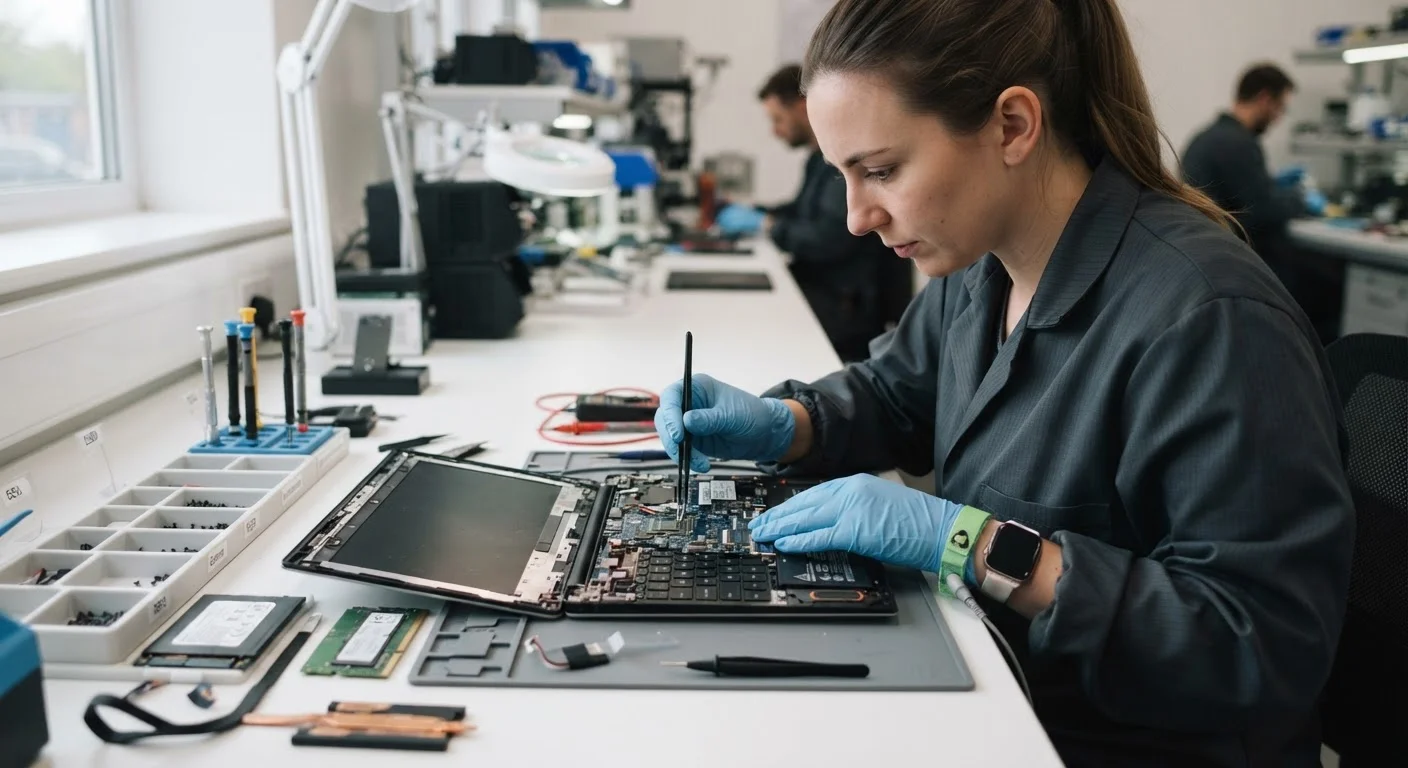
Photo: SaverSteals.com | Explore More. Shop Smarter. editorial
—— In This Article
Key Takeaways
- Manufacturer-refurbished devices are restored using original parts and brand-specific testing protocols.
- Third-party refurbishers vary widely in quality - certifications and return policies are reliable indicators of rigor.
- Warranty terms differ significantly: manufacturer programs often mirror new-product coverage more closely.
- Neither path is universally superior; your best choice depends on the device type and how much warranty protection you need.
- Reviewing the specific refurbisher's process documentation matters more than the label alone.
Why the Refurbisher's Identity Matters
When a device is listed as "refurbished," that word describes an outcome - not a process. Two devices with identical condition grades can arrive from fundamentally different refurbishment pipelines, with very different implications for reliability and support. Understanding who performed the work is just as important as understanding what grade the device received.
Decoding refurbished labels is a useful first step, but the real question is what happens behind those labels. That's where manufacturer programs and third-party operations diverge most sharply.
| Manufacturer Refurbished | Third-Party Refurbished | |
|---|---|---|
| Replacement parts | Genuine OEM components | OEM-compatible; quality varies |
| Diagnostic tools | Proprietary, device-specific | Third-party or generic tools |
| Warranty coverage | Often close to new-device terms | Varies widely (30 days to 2+ years) |
| Device selection | Limited to current/recent models | Broader, including older models |
| Process transparency | Standardized, brand-documented | Depends on individual refurbisher |
| Certification standard | Manufacturer's own program | R2, e-Stewards, or none |
| Battery replacement | Typically included | Varies by operator |
The Manufacturer Refurbishment Process
When a device returns to its original manufacturer for refurbishment, the process typically draws on resources unavailable to outside parties. Manufacturers have access to proprietary diagnostic software, calibration tools designed for their specific hardware, and genuine replacement components from their own supply chain.
Returned units are usually triaged first: cosmetically damaged parts are replaced, firmware is reset to factory defaults, and hardware is run through the same functional tests used in original production. Batteries are commonly replaced rather than simply tested, and any replaced components are sourced directly from the manufacturer's parts inventory - meaning specifications match the original design exactly.
Warranty coverage under these programs tends to be substantive. Many manufacturer programs offer coverage comparable to what a new device would carry, though terms vary by brand and product category. This consistency is one of the clearest practical advantages of the manufacturer route, particularly for higher-value purchases like laptops or smartphones where component quality has long-term performance implications.
Look for Published Testing Checklists
A credible refurbisher - manufacturer or third-party - should be able to tell you exactly what tests a device underwent before sale. If a product listing references a testing protocol or links to a program's quality standards page, that transparency is a meaningful positive signal. If no such documentation exists, treat the listing with additional caution regardless of how the condition grade is worded.
How Third-Party Refurbishment Works
Third-party refurbishers acquire devices through a range of channels - trade-in programs, corporate lease returns, overstock, or open-box returns - and process them independently of the original manufacturer. Quality ranges from near-manufacturer-level rigor down to minimal inspection, which is why this category requires more due diligence from buyers.
Reputable independent refurbishers use structured grading systems, publish their testing checklists, and hold certifications from recognized bodies such as R2 (Responsible Recycling) or e-Stewards, which set standards for both quality practices and environmental responsibility. These operators often perform thorough hardware diagnostics, replace consumable components like batteries, and offer meaningful return windows.
Less rigorous operators may clean a device cosmetically, run only basic power-on tests, and assign optimistic condition grades. Without published testing documentation or a verifiable certification, it becomes difficult to assess what "refurbished" actually involved. A comprehensive pre-purchase checklist can help buyers identify which third-party sources are worth trusting.
Key Differences: Parts, Testing, and Warranty
The most consequential differences between the two tracks come down to three areas:
- Replacement parts: Manufacturers use original components; third-party refurbishers may use OEM-compatible parts, which can match original specs closely but aren't always equivalent.
- Testing depth: Manufacturer diagnostics are device-specific and proprietary; third-party testing quality depends entirely on the operator's investment and protocols.
- Warranty terms: Manufacturer programs tend to offer structured, enforceable coverage. Third-party warranties vary from 30-day return windows to multi-year plans - and the financial backing behind those promises differs considerably.
For those comparing refurbished options with new purchases more broadly, what you actually give up when buying refurbished provides useful framing on how warranty and longevity factors compare across buying paths.
How to Evaluate Either Option Before You Buy
Regardless of which refurbishment track a device comes from, the same evaluation framework applies. Look for: a documented testing process (not just a grade), a clearly stated warranty with defined coverage terms, a reasonable return window (typically 30 days minimum), and transparent policies on what happens if a defect appears post-purchase.
For third-party sources specifically, check whether the refurbisher holds an R2 or e-Stewards certification, which signals adherence to industry-recognized quality and environmental standards. For manufacturer programs, verify that the warranty is honored directly by the brand - not just by the retailer carrying the device.
First-time buyers navigating refurbished tech will find that these verification steps apply universally, regardless of which channel they choose. The documentation behind a device's refurbishment history is always more informative than the grade printed on its listing.

Electronics Editorial Team
Electronics Editorial Team is the collective byline for our editorial team and contributor network. Articles published under this byline or an editorial pen name are researched, written, and reviewed according to our editorial standards for clarity, consistency, and independence before publication.
View author profile