
Refurbished Smartphones: Weighing the Tradeoffs Honestly
A balanced look at what refurbished smartphones get right and where they can fall short — so you can decide with open eyes.
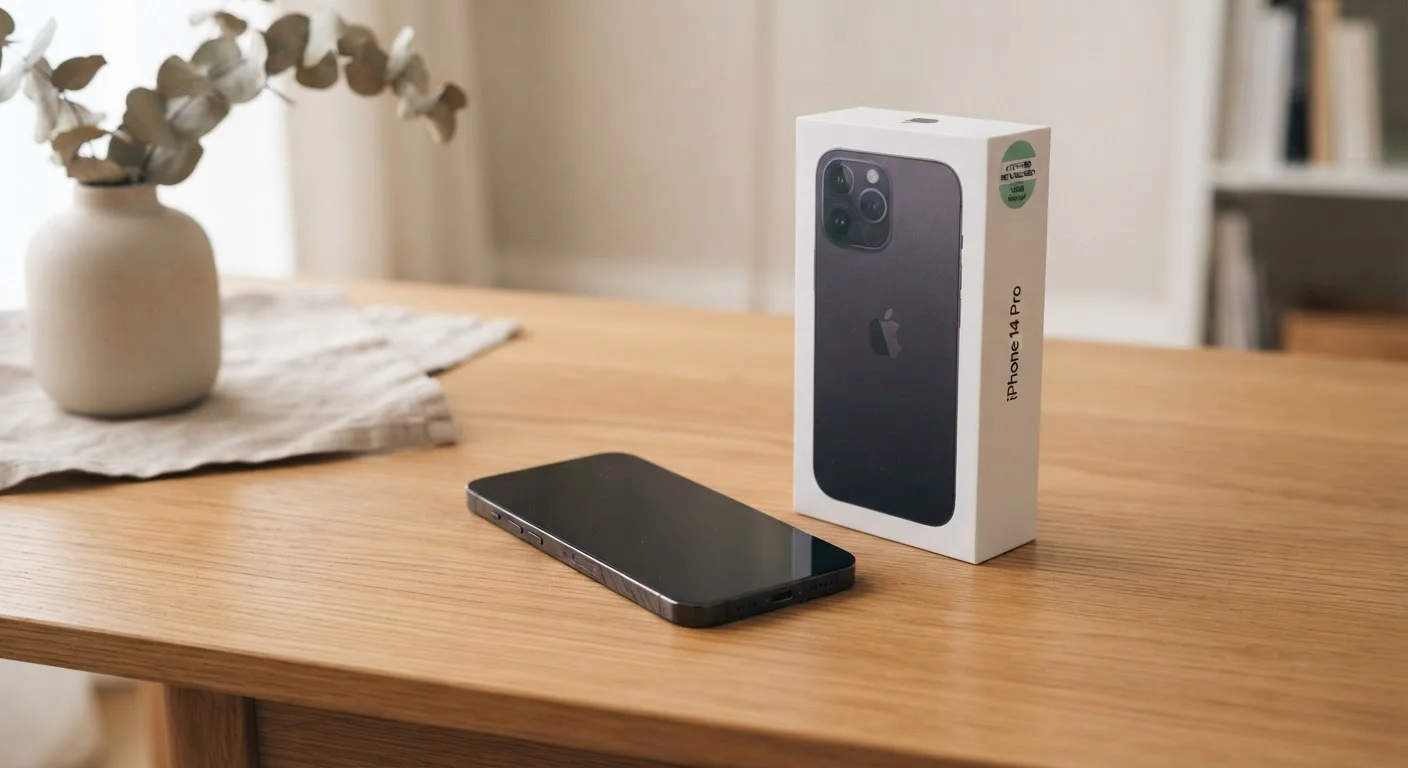
Photo: SaverSteals.com | Explore More. Shop Smarter. editorial
—— In This Article
Key Takeaways
- Certified refurbished programs from manufacturers or major retailers offer stronger protections than informal resellers.
- Battery condition is the most common hidden weakness in refurbished smartphones - always check what's disclosed.
- Grading systems vary by seller, so the same letter grade can mean very different things depending on the source.
- Return windows and warranty coverage differ significantly across refurbished channels and are worth comparing carefully.
- Refurbished phones can be a sound choice, but only when you verify the source, grade, and policy details upfront.
Meaningful price reduction on capable hardware
Refurbished phones are commonly priced 20-40% below equivalent new models, allowing access to higher-specification devices within a tighter budget.
Certified programs include real quality checks
Manufacturer and major-retailer certification programs typically include hardware diagnostics, component replacement, and a minimum warranty - offering more protection than buying used from an individual.
Reduces electronic waste
Choosing a refurbished device extends its productive lifespan, keeping usable hardware out of the waste stream and reducing the environmental cost of new device manufacturing.
Access to discontinued or premium models
The refurbished market often carries models that are no longer sold new, giving shoppers more options at various price points rather than only whatever's currently on shelves.
Battery health is rarely guaranteed
Battery degradation is the most common hidden defect in refurbished phones. Many sellers don't replace batteries unless they fall below a threshold, and disclosed capacity figures aren't universal.
Grading standards are inconsistent across sellers
A Grade A phone from one seller may have visible scratches that another seller would classify as Grade B. Without standardized definitions, the grade label alone tells you less than it appears to.
Warranties are shorter and more variable
New devices typically carry a one-year manufacturer warranty as standard. Refurbished warranties range from 30 days to one year depending on the seller, and some rely on third-party coverage with separate claim processes.
Software support timelines may be shortened
A refurbished phone that is two or three model years old may receive fewer remaining years of OS and security updates, which affects both functionality and long-term security.
Return windows are often narrow
Some refurbished sellers offer only 15-30 day return windows, leaving limited time to surface issues that may only appear with regular use over a few weeks.
What 'Refurbished' Actually Means
The word refurbished covers a wide range of conditions. A device might be a customer return with barely any use, a trade-in that's been professionally tested and reconditioned, or something in between. What separates a quality refurbished phone from a risky one is the process behind it - and who performed it.
Manufacturer-certified programs typically involve the most rigorous testing: factory resets, hardware diagnostics, replacement of worn components, and cosmetic inspection before repackaging. Third-party refurbishers vary considerably. Some follow comparable standards; others apply the label loosely. That inconsistency is the central challenge of shopping refurbished. For a deeper orientation to how this market works, see our guide for first-time refurbished buyers.
Not All Refurbished Labels Are Equal
Terms like 'refurbished,' 'renewed,' 'reconditioned,' and 'certified pre-owned' are used interchangeably by some sellers but have distinct meanings for others. Before purchasing, look past the label to the specific process description, what components were tested or replaced, and what warranty is actually included. If that information isn't available in the listing, it's a gap worth asking about or a reason to look elsewhere.
The Real Advantages
When sourced carefully, refurbished smartphones offer tangible benefits beyond price alone.
Meaningful price reduction on capable hardware
Refurbished phones are commonly priced 20-40% below equivalent new models, allowing access to higher-specification devices within a tighter budget.
Certified programs include real quality checks
Manufacturer and major-retailer certification programs typically include hardware diagnostics, component replacement, and a minimum warranty - offering more protection than buying used from an individual.
Reduces electronic waste
Choosing a refurbished device extends its productive lifespan, keeping usable hardware out of the waste stream and reducing the environmental cost of new device manufacturing.
Access to discontinued or premium models
The refurbished market often carries models that are no longer sold new, giving shoppers more options at various price points rather than only whatever's currently on shelves.
The environmental argument is also meaningful: extending a device's useful life reduces the demand for new hardware manufacturing, which carries a substantial resource and emissions cost. For budget-conscious shoppers who also care about sustainability, this is a legitimate secondary benefit - not just a marketing talking point.
Where the Tradeoffs Show Up
Refurbished purchases carry real risks that are worth understanding before committing.
Battery health is rarely guaranteed
Battery degradation is the most common hidden defect in refurbished phones. Many sellers don't replace batteries unless they fall below a threshold, and disclosed capacity figures aren't universal.
Grading standards are inconsistent across sellers
A Grade A phone from one seller may have visible scratches that another seller would classify as Grade B. Without standardized definitions, the grade label alone tells you less than it appears to.
Warranties are shorter and more variable
New devices typically carry a one-year manufacturer warranty as standard. Refurbished warranties range from 30 days to one year depending on the seller, and some rely on third-party coverage with separate claim processes.
Software support timelines may be shortened
A refurbished phone that is two or three model years old may receive fewer remaining years of OS and security updates, which affects both functionality and long-term security.
Return windows are often narrow
Some refurbished sellers offer only 15-30 day return windows, leaving limited time to surface issues that may only appear with regular use over a few weeks.
These aren't reasons to avoid refurbished phones entirely - they're reasons to approach the category with specific questions rather than assumptions. Common shopping mistakes, like skipping grade verification or ignoring return windows, account for many negative experiences in this category.
How to Narrow the Risk
The most reliable way to reduce exposure is to prioritize sourcing. Manufacturer-certified programs and established retailers with clearly documented refurbishment processes offer more accountability than marketplace listings from unknown sellers. Check whether the warranty is provided by the seller or by a third party, and note the duration - 90-day coverage is materially different from a one-year guarantee.
Battery health disclosure is one of the most useful signals of a seller's transparency. If a listing doesn't mention battery capacity or cycle count, that's worth noting. A battery performing below roughly 80% of its original capacity will affect day-to-day usability noticeably. The full refurbished buying guide covers grading systems, inspection checklists, and warranty rights in detail.
15-40%
Typical discount vs. new equivalent
Industry estimates consistently place the price advantage of certified refurbished smartphones in this range compared to new retail pricing for the same model.
80%
Battery threshold to check for
Apple's certified refurbished program, for example, replaces batteries below 80% capacity - a benchmark widely referenced in consumer electronics discussions as the meaningful performance floor.
If you're weighing refurbished against simply buying new, a direct comparison of what you trade away - from unboxing condition to support terms - can help clarify whether the savings justify the compromises for your specific situation.

Electronics Editorial Team
Electronics Editorial Team is the collective byline for our editorial team and contributor network. Articles published under this byline or an editorial pen name are researched, written, and reviewed according to our editorial standards for clarity, consistency, and independence before publication.
View author profile