

Key Takeaways
Option A
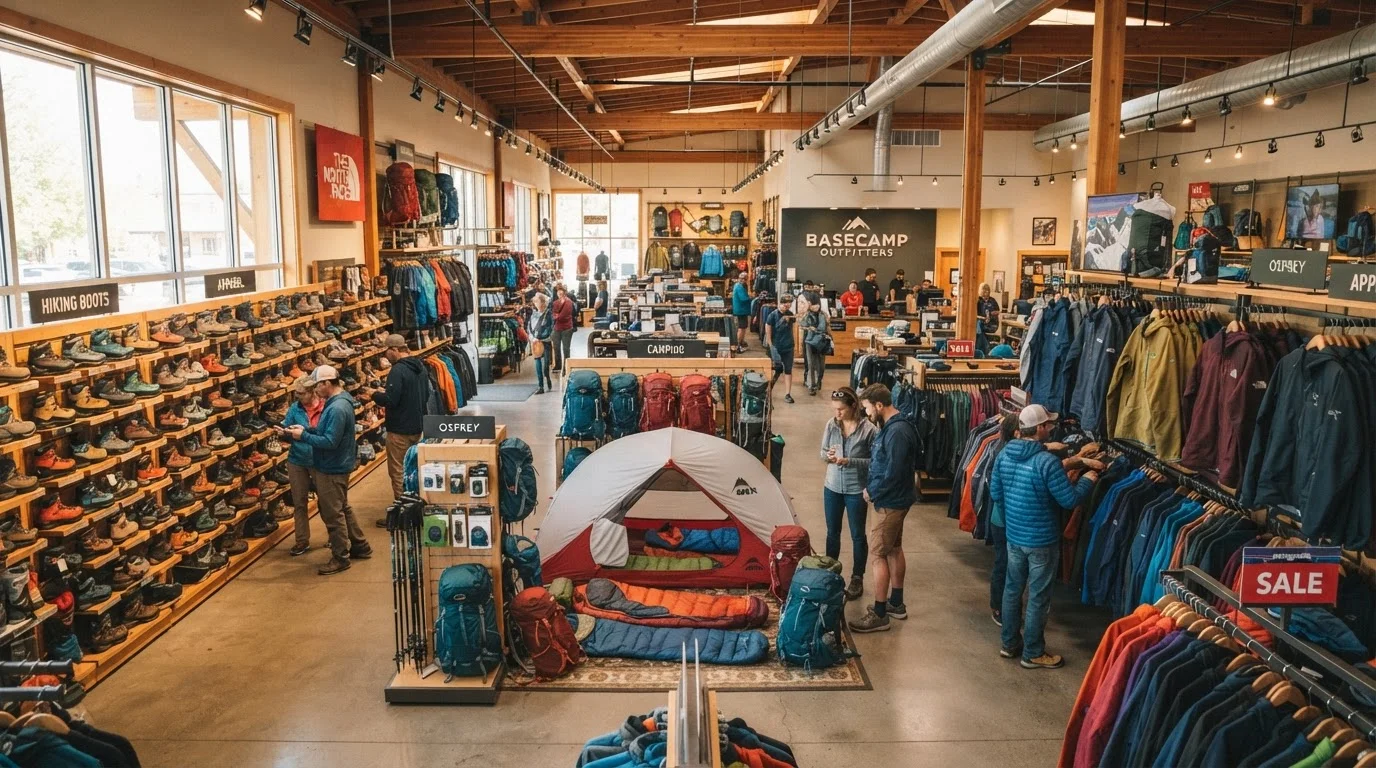
Outlet Stores
The tactile, treasure-hunt shopping experience for gear lovers.
Best for: Shoppers who want to inspect gear in person, score deeply discounted last-season items, and enjoy the thrill of browsing physical clearance racks.
Option B
Brand Websites
The convenient, curated digital clearance aisle.
Best for: Shoppers who prefer browsing full inventory from home, want size/color filtering, and can wait for seasonal sale events to land the best price.
If you want the absolute deepest discount on last-season technical gear
Outlet Stores
Physical outlets regularly clear prior-year inventory at 40-70% off, especially during end-of-season transition windows when new models arrive and old stock must go.
If you need a specific size, color, or current-season model
Brand Websites
Brand websites list full inventory with filters, so you're not stuck hunting racks for your size. Sale sections during clearance events often hit 30-50% off.
If you're buying high-investment gear like tents, packs, or ski shells
Brand Websites
Full warranty documentation, return policies, and verifiable original MSRP are clearer when buying direct - important for gear you'll trust in the backcountry.
If you're a casual outdoor enthusiast shopping on a tight budget
Outlet Stores
For everyday hiking layers, base camp accessories, and casual gear, outlet pricing provides solid value even on made-for-outlet products that meet most recreational needs.
If you're planning ahead for a future season and can wait for the right timing
Brand Websites
Setting price alerts and waiting for brand website clearance events - especially post-holiday and end-of-season sales - rewards patience with inventory variety outlets can't match.
The Real Difference Between Outlet Stores and Brand Website Sales
Let's get one thing straight before you load up the car for a road trip to the nearest outlet mall: not all outdoor gear discounts are created equal, and the channel you choose matters as much as the percentage off the tag. Both outlet stores and brand websites advertise serious savings on technical jackets, hiking boots, trekking poles, and sleeping bags - but the mechanics behind those discounts are genuinely different, and one can quietly cost you more than you saved.
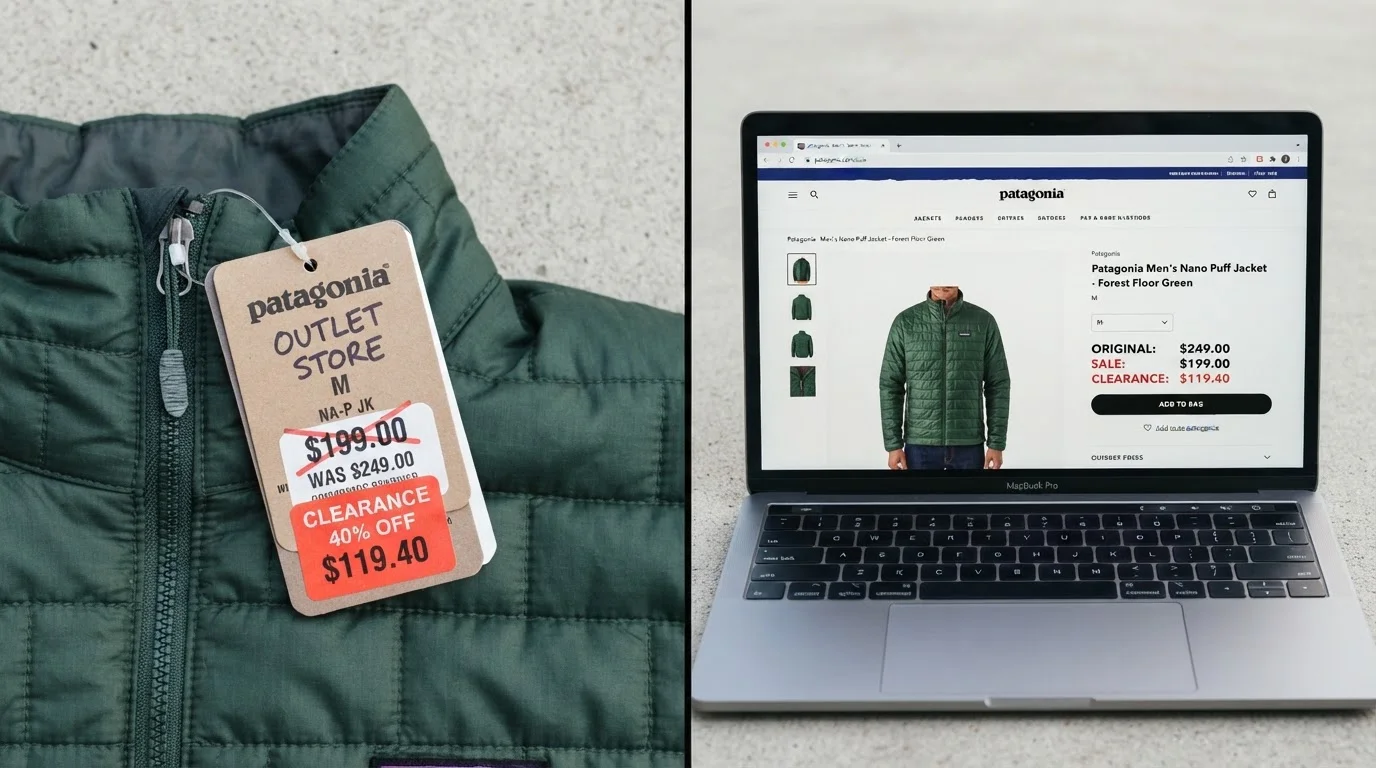
Outlet stores - whether physical mall locations like REI Outlet, Patagonia Worn Wear, or The North Face outlet shops - primarily exist to move inventory that didn't sell during its original retail window. Think last season's colorways, discontinued SKUs, and overstocked sizes. That's legitimately exciting for budget-savvy shoppers. But here's the catch that outdoor brands rarely advertise loudly: a meaningful portion of outlet merchandise is made specifically for the outlet channel. These products look nearly identical to their flagship counterparts but are built to a lower specification - lighter-duty zippers, thinner face fabrics, simplified insulation ratings. For casual hikers, that might be perfectly fine. For anyone heading into serious terrain, it's worth investigating.
Brand websites, on the other hand, run two distinct discount mechanisms. First, their permanent sale sections clear current and recent-season inventory at reduced prices. Second, they run time-limited seasonal clearance events - typically in late January (post-ski-season), late April (pre-summer switch), late August (back-to-school/fall transition), and post-Thanksgiving. These events hit genuine full-priced product at real MSRP reductions, so the discount math is transparent. You can see what a jacket was, what it is now, and compare across sizes without any ambiguity about what you're buying.
Understanding these structural differences is the foundation of smarter outdoor gear shopping. The Outdoor Gear Pricing Calendar breaks down exactly when each of these brand website clearance windows opens - bookmark it and plan your purchases accordingly. For now, let's dig into the head-to-head comparison.
Head-to-Head: Outlet Stores vs. Brand Websites
Here's where we put both channels side by side across the criteria that actually matter for outdoor gear shoppers - price depth, product authenticity, selection, convenience, and post-purchase protection. No fluff, just the facts you need to make a smarter call.
| Criterion | Outlet Stores | Brand Websites |
|---|---|---|
| Typical discount depth | 30-70% off prior-season gear | 20-50% off during clearance events |
| Product authenticity risk | Made-for-outlet items common | Genuine full-spec product always |
| Size and color selection | Limited - whatever's in stock | Full inventory with filters |
| Price transparency | Tags can be misleading | Verifiable original MSRP shown |
| Warranty and returns | Often restricted at outlets | Full brand warranty applies |
| Convenience | Requires travel to physical location | Shop anytime, ship to door |
| Tactile inspection | Yes - handle before buying | No - relies on photos/reviews |
| Best timing | Seasonal transition windows | Post-holiday and end-of-season events |
| Stackable member discounts | Rarely available in-store | Frequent member-only access |
Online Outlet Sections Are a Hidden Middle Ground
Many outdoor brands now operate dedicated online outlet or sale sections that function differently from both physical outlet stores and standard brand website clearance. REI Outlet (rei.com/s/outlet), for instance, lists genuine prior-season retail product - not made-for-outlet items - at outlet-level discounts with full website warranty and return protections. These online outlet sections often offer the best of both channels and are worth checking before committing to either a physical outlet trip or a standard brand website purchase.
Worn Wear and Second-Life Programs Add a Third Option
Patagonia's Worn Wear program and REI's Re/Supply used gear section represent a growing third channel that can undercut both outlets and brand website sales significantly. Certified used gear from the brand itself comes with quality verification and, in some cases, limited warranty coverage. For non-technical items like fleeces, pants, and base layers, used program pricing can be 50-80% below original MSRP with full confidence in product authenticity.
The outlet pricing advantage narrows significantly once you factor in travel costs to a physical outlet location and the fact that online brand sale events increasingly price-match what you'd find on outlet racks. Always check the brand's own website sale section before making the drive.
40-70%
Typical outlet markdown on prior-season technical gear
Industry retail analysis consistently shows that end-of-season transitions at physical outlets drive the steepest markdowns on outdoor hardgoods and apparel.
~30%
Estimated share of outlet merchandise made for outlet only
Consumer Reports and outdoor gear forums have documented that major outdoor brands produce significant quantities of outlet-exclusive product built to lower specs than retail counterparts.
2-3x
Selection advantage of brand websites over physical outlets
Brand websites typically list several times more SKUs in clearance categories than a single physical outlet location can hold on its floor at any given time.
Late Jan & Late Aug
Peak outdoor gear clearance windows on brand websites
Post-ski-season (January-February) and pre-fall transition (August) are when brand websites push their deepest outdoor gear price reductions to clear seasonal inventory.
Outlet Store Strategy: How to Shop Smart and Avoid the Traps
If you're heading to a physical outlet, go in with a game plan. The biggest trap isn't overspending - it's buying something that looks like a deal but underdelivers in the field. Here's how to protect yourself and still score genuinely excellent finds.
Identify Made-for-Outlet Products
Look for the model number or product name on the outlet tag, then search it on your phone right there in the store. If the model name doesn't appear anywhere on the brand's main website or in any retail review, it's almost certainly an outlet-exclusive. That's not automatically a dealbreaker - a $49 outlet fleece works great for dog walks and autumn strolls - but it's a dealbreaker if you're comparing it mentally to a $130 flagship fleece you've read reviews on.
Time Your Visit to the Transition Windows
Physical outlets get their deepest markdowns when new seasonal product arrives and staff need to clear floor space fast. For outdoor gear, this typically means late February through March (winter clearance), late July through August (summer clearance), and November (pre-holiday clearance push). Show up outside these windows and you'll find decent prices; show up during them and you'll find legitimately jaw-dropping deals. The off-season deals playbook maps out exactly when each category hits its pricing floor - outdoor gear follows predictable seasonal rhythms once you know where to look.
Check Every Seam and Zipper In-Person
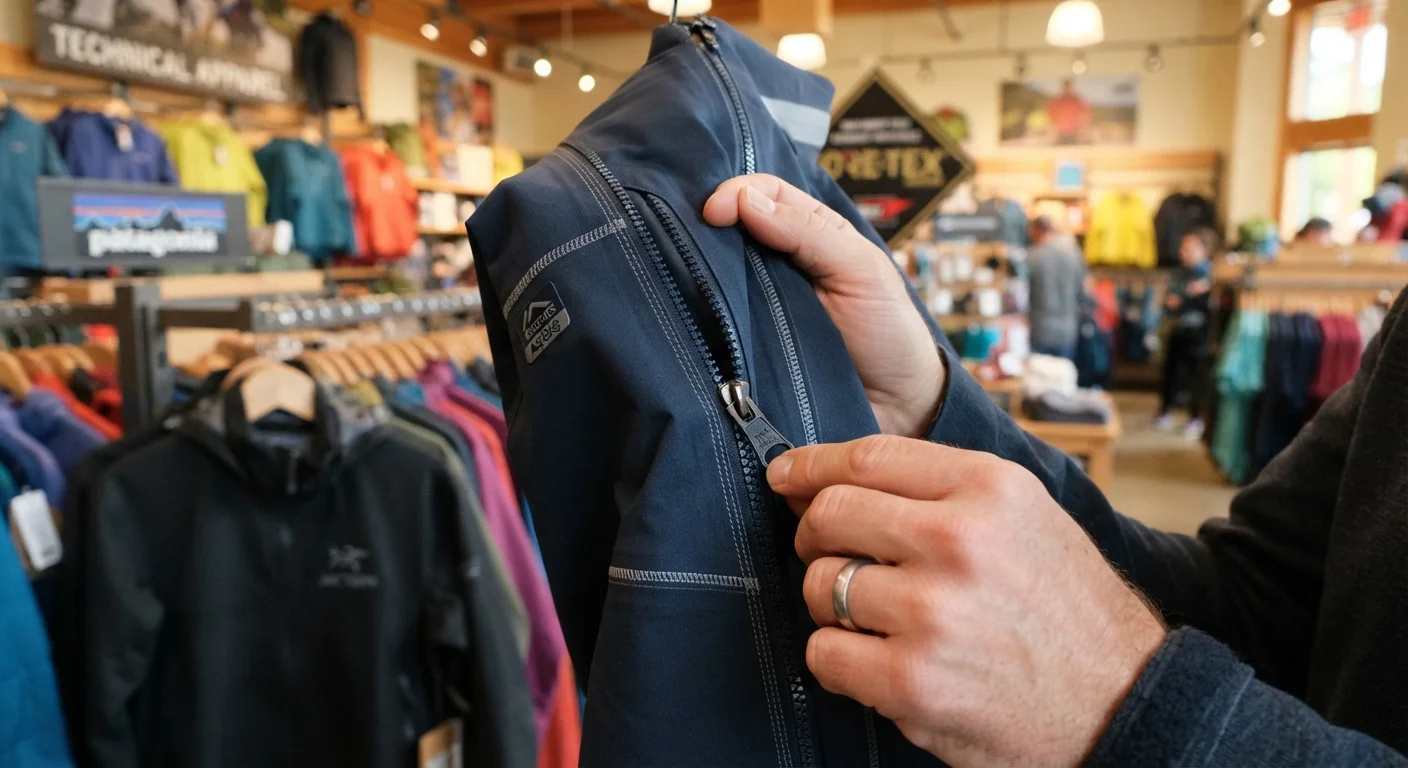
One of the genuine superpowers of shopping outlet in person is tactile inspection. Run the zippers. Check the baffle stitching on down jackets. Look for delamination on waterproof membranes. Outlet merchandise has sometimes been returned, re-tagged, or sat in storage - and you'd never catch that from a thumbnail image online. Use this advantage; it's one of the few places where brick-and-mortar genuinely wins over scrolling.
Speaking of which - if you love the treasure-hunt energy of outlet shopping but want to apply similar instincts to fashion and apparel, the outlet vs. online discount site breakdown for branded clothing will feel immediately familiar. The strategic logic transfers almost perfectly across categories.
Brand Website Strategy: Getting the Most from Online Clearance Events
Brand websites are quietly one of the most underrated deal channels for outdoor gear - and I say that as someone who has historically defaulted to hitting outlet stores first. Once you understand how to work the online clearance cycle, you'll find that the selection, transparency, and convenience advantages add up fast.
Bookmark the Sale Section Year-Round
Most major outdoor brands maintain a permanent sale or clearance section that updates constantly as inventory rotates. REI's sale section, Patagonia's Worn Wear and sale pages, Columbia's clearance tab, Arc'teryx's sale section - these aren't seasonal pop-ups, they're always active. Items get added as stock becomes available. Check them weekly during shoulder seasons and you'll catch markdowns that never get announced via email.
Stack Discounts with Member Programs
REI Co-op members get an additional percentage back on sale items through dividend earnings. Patagonia and Columbia both run member-exclusive flash sales that go deeper than public pricing. Signing up for brand loyalty programs (most are free) unlocks email-first access to clearance events before they go live publicly - which matters enormously for popular technical pieces in standard sizes that sell out within hours.
Use Price History Tools
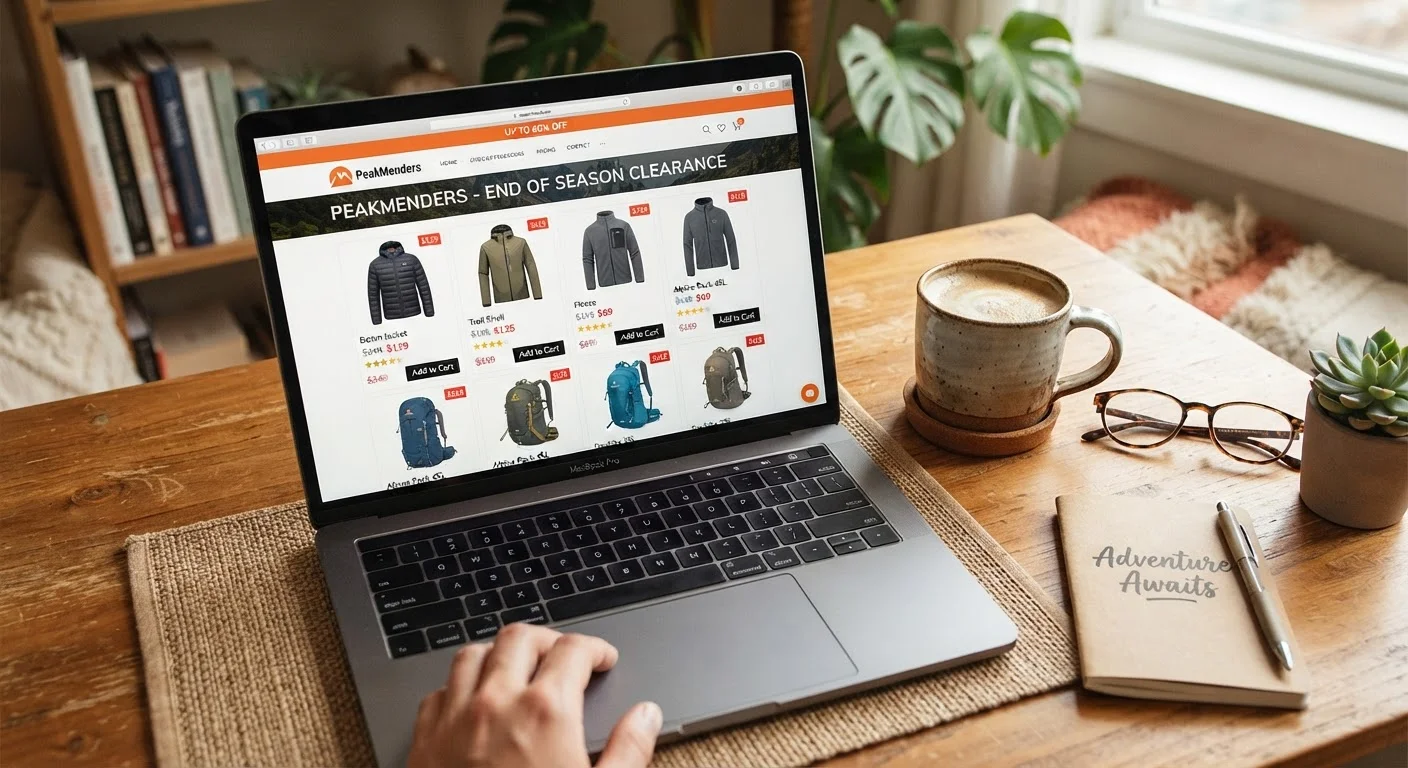
Unlike outlet stores where you're trusting the markdown percentage on the tag, brand website pricing is fully verifiable. Use tools like CamelCamelCamel (for Amazon brand stores) or browser extensions like Honey to check whether the "sale price" represents a genuine reduction from historical average pricing or a temporarily inflated baseline. For high-dollar technical gear - expedition tents, hardshell jackets, mountaineering boots - this verification step takes two minutes and can save you from buying a fake sale.
If your outdoor gear shopping overlaps with larger seasonal clearance events, don't miss the Black Friday vs. end-of-season sales comparison - it reveals that for outdoor categories specifically, the quieter end-of-season windows often beat the headline Black Friday events in actual discount depth. And for a full category-by-category breakdown of which items get marked down the furthest and when, the Summer Blowout Shopping breakdown is essential reading before any major purchase.
The Hybrid Approach: Using Both Channels Together
Here's the advanced move that most outdoor gear shoppers never quite land on: don't pick a side - use both channels in sequence. The most cost-efficient outdoor gear shopping strategy treats outlets and brand websites as complementary tools, not competitors.
Here's how a smart hybrid approach works in practice:
- Start on the brand website to identify exactly what you want - model name, technical specs, MSRP. This is your research phase. You're not buying yet; you're building a reference point.
- Search that exact model name on the brand's outlet page (most major brands now have online outlet sections - REI Outlet, Patagonia's own sale pages, The North Face sale section). If it appears at a meaningful discount, that's a legitimate deal on verified product.
- Visit a physical outlet if you're within reasonable distance and your target purchase is high-dollar - a $300 backpack or a $400 hardshell jacket warrants the trip. Inspect it in person before committing.
- Set a price alert on the brand website for items you didn't find in outlets. Tools like Visualping or brand-specific wishlist notification features will ping you when that sleeping bag or softshell finally drops to your target price.
- Pull the trigger during confirmed clearance windows, not during vague "sale" promotions that may just be cosmetic discounts on inflated baselines.
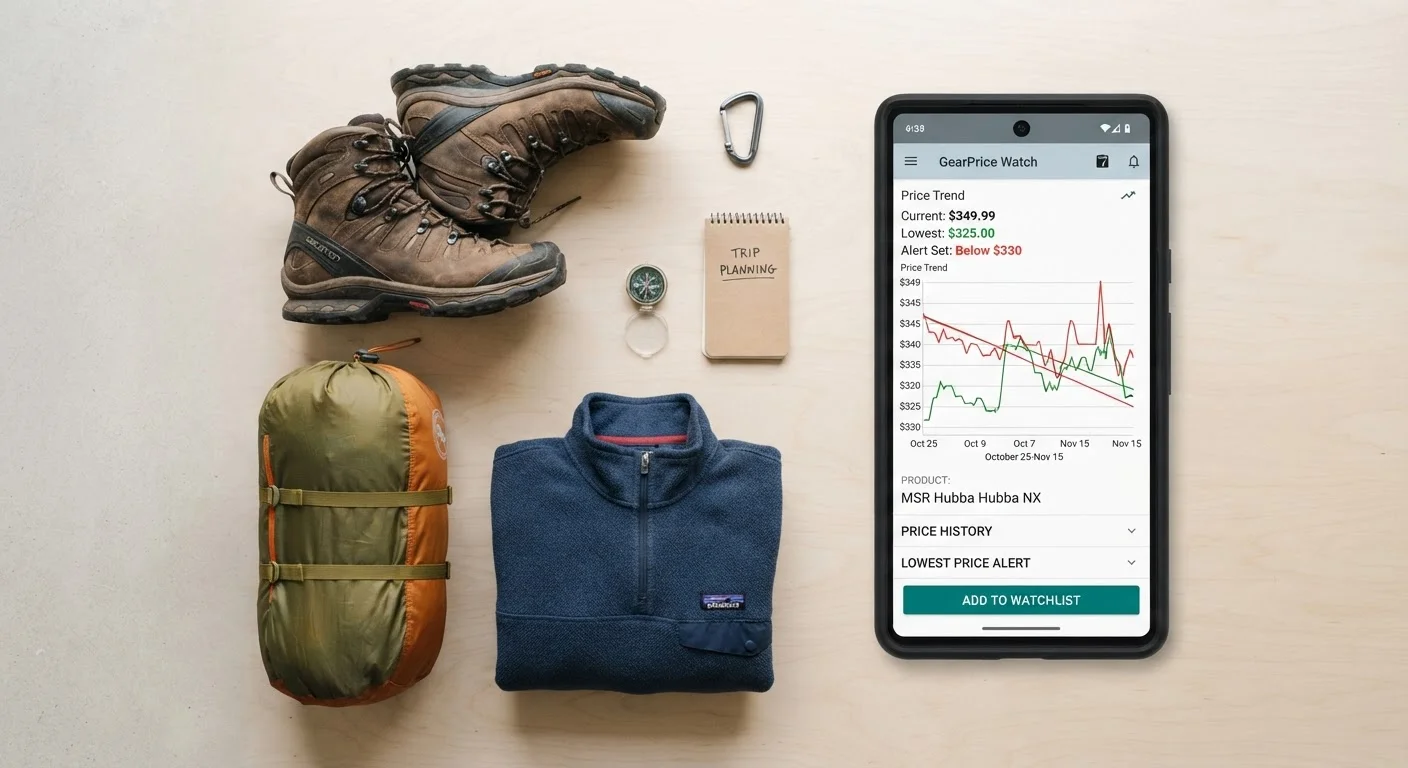
This sequenced approach eliminates impulse buys, keeps you anchored to verified pricing, and ensures you're never paying outlet prices for outlet-exclusive product when a genuine full-spec version is available for similar money online. For gear categories beyond outdoor equipment - fashion, for instance - the same strategic logic applies brilliantly, as detailed in the Discount Clothing hub. And if you're particularly focused on winter gear clearance windows, the department stores vs. online outlets winter clearance comparison offers a complementary channel analysis for cold-weather categories.
The bottom line: the savviest outdoor gear shoppers don't pledge loyalty to one channel. They follow the inventory, read the timing, and move when the stars align. That's not complicated - it's just strategic. And it's genuinely thrilling once it clicks.