


Key Takeaways
Option A
Outlet Stores
The tactile, treasure-hunt shopping experience.
Best for: Shoppers who want to touch before buying and enjoy browsing curated brand environments in person.
Option B
Online Discount Sites
The convenient, endlessly scrollable bargain engine.
Best for: Deal-hunters who prioritize convenience, massive selection, and the ability to compare prices across brands instantly.
If you want to try on before you buy and avoid return hassles
Outlet Stores
Physical fitting rooms eliminate sizing guesswork. You can assess fabric quality directly and walk out confident in your purchase.
If you want the widest brand selection at the deepest discounts
Online Discount Sites
Sites like Nordstrom Rack, Last Call, and TheRealReal aggregate thousands of brands in one place, often at 50-80% below retail on authentic mainline pieces.
If you're hunting for a specific designer item or past-season piece
Online Discount Sites
Search filters on resale and off-price platforms let you zero in on exact styles, sizes, and colorways - far easier than rummaging racks.
If you're shopping with kids or browsing casually with no specific goal
Outlet Stores
Outlet malls make discovery fun and social. The low-pressure browsing environment is ideal when you want inspiration without a deadline.
If you're chasing the absolute lowest price on a brand-name basic
Online Discount Sites
Price comparison across multiple off-price sites takes minutes and often reveals discounts 10-20% deeper than anything you'd find in a physical outlet.
The Great Discount Dilemma: Outlet Mall or Online Deal Site?
Let's set the scene: you need a new winter coat, you've got your eye on a brand you love, and you refuse to pay full retail. Smart. Now - do you drive forty minutes to the nearest outlet mall, or do you open a new browser tab and start scrolling Nordstrom Rack? Both feel like wins before you even start, but the reality of what you'll actually find (and what you'll actually pay) is wildly different depending on which route you take.
Outlet stores and online discount sites are both legitimate ways to score branded clothing for less. But they operate on entirely different business models, stock entirely different merchandise, and come with entirely different trade-offs. Getting the most out of either channel requires understanding how each one actually works - not just assuming a 40% discount sticker means you're getting a deal.
I've spent years navigating both worlds, and I can tell you: neither is universally better. What matters is knowing when each channel delivers genuine value versus when it's just the illusion of savings. Let's break it all down so you can shop smarter starting today. And if you want to layer in sale timing on top of this strategy, check out The Clothing Sale Calendar - knowing when to shop is just as powerful as knowing where.
How Outlet Stores Actually Work (The Truth They Don't Advertise)
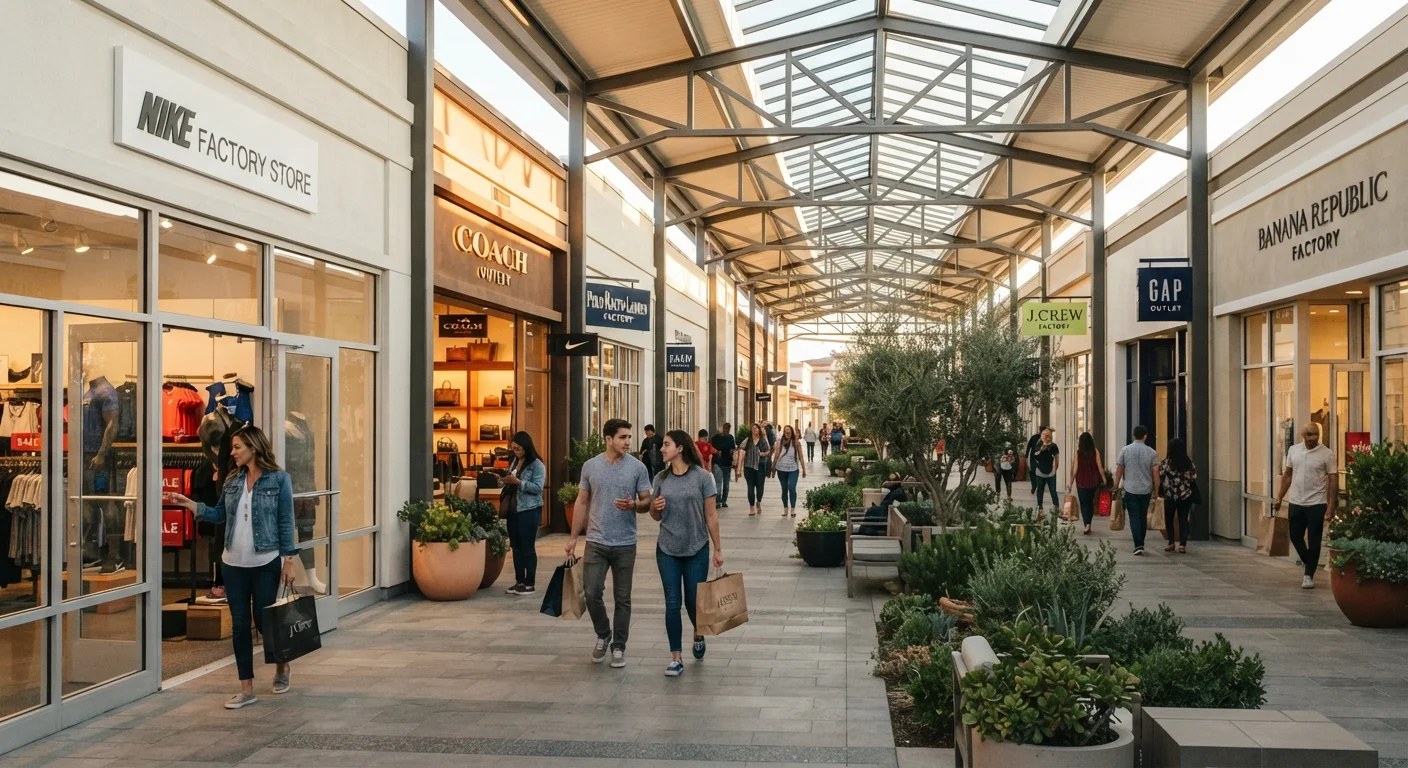
Here's the thing that changed how I shop outlet malls forever: the majority of merchandise at brand-name outlet stores - think Gap Outlet, Polo Ralph Lauren Factory Store, or J.Crew Factory - is not overstock or seconds from the main brand line. It's outlet-exclusive product, manufactured specifically for the outlet channel at a lower price point and, typically, lower quality.
That means the "original price" tag hanging on a $29.99 polo that claims it was $75 reflects a retail price that was largely theoretical. The fabric weight, stitching quality, and construction often differ from what you'd find in a full-price store. This isn't a scandal - it's just business - but it's critical information if your goal is genuinely buying mainline branded product for less money.
That said, outlet stores absolutely can deliver real deals in specific circumstances:
- True clearance events: End-of-season pushes at outlet stores can include authentic mainline overstock. Late January and late July are the golden windows.
- Premium brand outlets: Higher-end brands like Saks OFF 5TH and Neiman Marcus Last Call more consistently move genuine mainline merchandise through their outlet channels.
- In-store markdowns on outlet stock: Even if the piece started as outlet-exclusive, an additional 40% markdown during a clearance event can still represent solid value for the price paid.
The "Made for Factory Store" Label
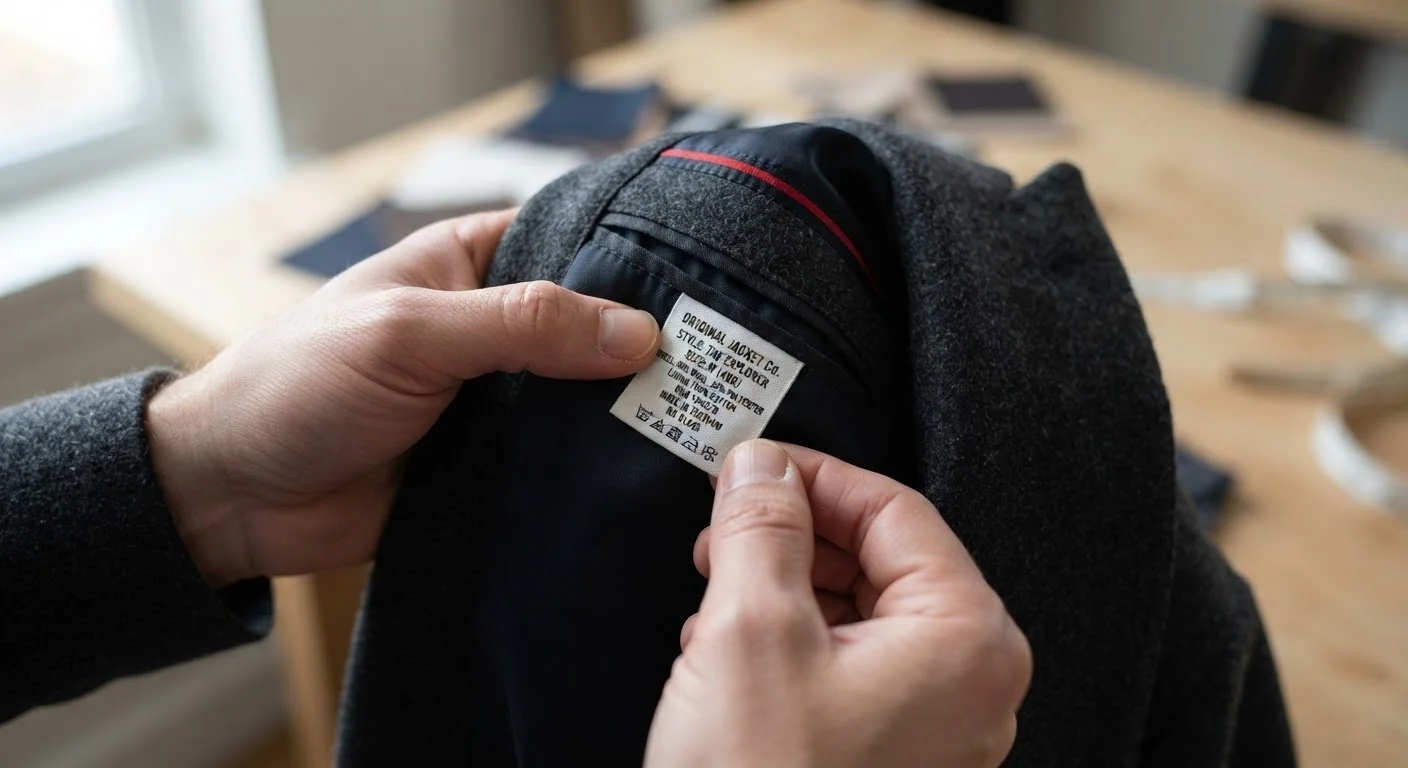
If you spot a tag that reads "Made for [Brand] Factory Store," "Exclusively for Outlet," or similar language, you're looking at outlet-exclusive merchandise. This isn't inherently bad - but it does mean the original retail price listed is essentially fictional. Evaluate the item purely on its quality versus its current asking price, not on the supposed markdown.
Price Alert Tools Can Transform Online Deal Hunting
Most major off-price retail sites don't natively offer price tracking, but browser extensions like Honey and CamelCamelCamel (for Amazon) can track price histories. For resale platforms, saving searches on Poshmark and eBay triggers notifications when new matching listings are posted - a game-changer for hunting specific items.
Return Policies Are Non-Negotiable to Understand Upfront
Before you buy anything online, read the return policy in full. Flash sale sites like Gilt often restrict returns to store credit only. ThredUp charges restocking fees on returns. Nordstrom Rack is one of the more generous off-price platforms, accepting returns in-store even on online purchases - a significant advantage when sizing is uncertain.
The tactile experience still matters enormously. You can assess fabric weight, check seam quality, and try on sizing - advantages that translate directly into fewer returns and fewer disappointing purchases.
If you're comparing the outlet channel to full brand websites specifically, Outlet Stores vs. Brand Websites digs into how those two channels stack up - especially useful for performance apparel categories.
How Online Discount Sites Work (And Why Selection Is Their Superpower)
Online discount retail is a broad category with meaningfully different business models sitting under the same umbrella. Understanding which type of site you're on changes how you interpret what you're seeing:
Off-Price Retail Sites (Nordstrom Rack, Last Call, Saks OFF 5TH Online)
These are the digital extensions of traditional off-price retailers. They purchase authentic mainline overstock and past-season merchandise from brands and department stores, then resell it at reduced margins. Discounts typically run 30-70% off original retail. The key advantage: this is genuine mainline product. The same polo that hung in the full-price Nordstrom is now on Nordstrom Rack for $38.
Resale and Luxury Consignment (Poshmark, ThredUp, The RealReal, eBay)
Peer-to-peer and authenticated resale platforms give you access to past-season, pre-owned, or even new-with-tags branded clothing at prices that can go well below off-price retail. Discounts on luxury brands especially can be dramatic - 60 to 80% below original retail is not unusual on authenticated platforms for items from two or three seasons ago.
Flash Sale Sites (Gilt, Rue La La)
These curated platforms run time-limited events on specific brands, usually 36-72 hours. Discounts are real but inventory is extremely limited - sizes disappear fast and there's psychological pressure to buy before you've fully thought it through. Shop these with a clear wishlist and a firm budget ceiling.
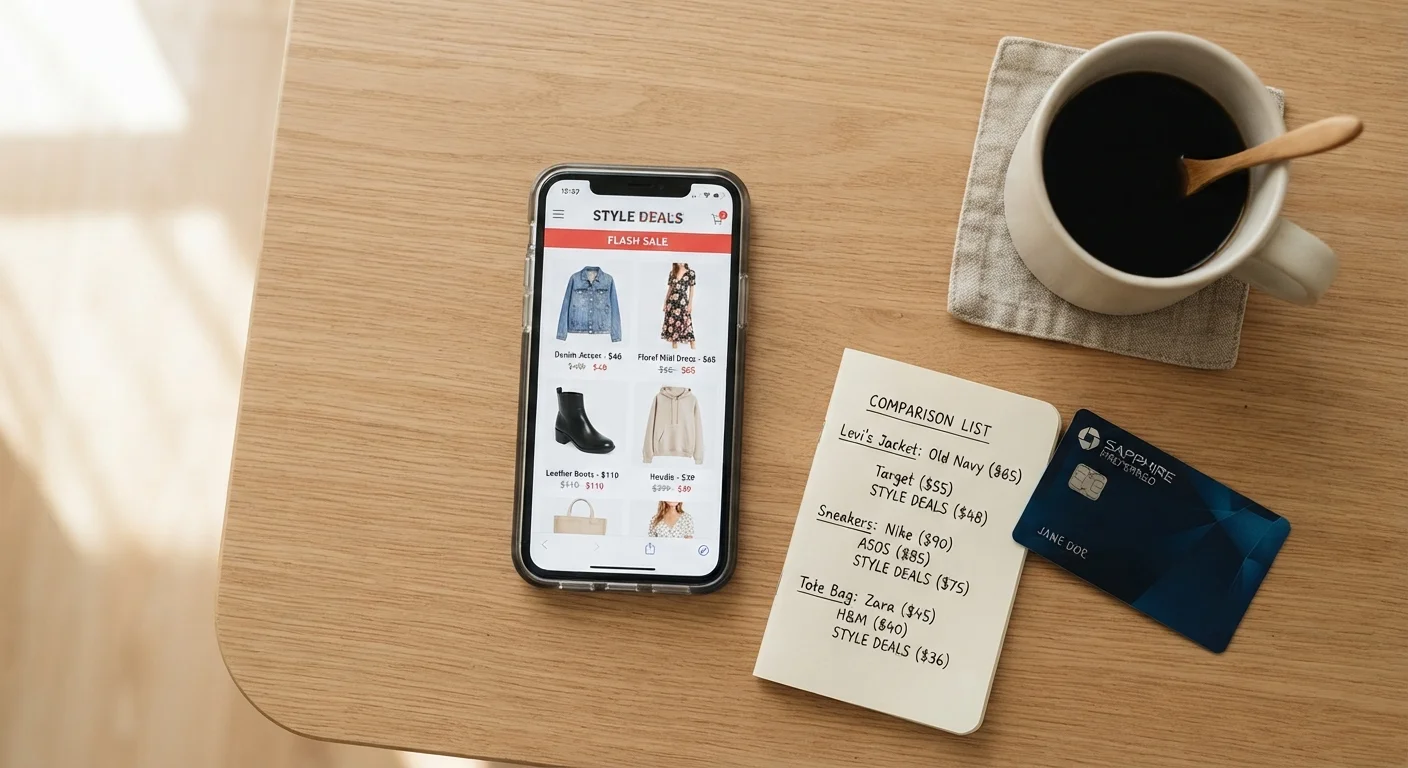
The sheer breadth of online selection is genuinely unmatched. Need a size 14 in a specific coat from three seasons ago? An online search across resale platforms will surface it in minutes. No outlet mall rack can do that. For timing your online purchases optimally, the Off-Season Deals hub is a brilliant companion resource.
70%
Outlet merchandise made exclusively for outlets
A Consumer Reports investigation found the majority of outlet store inventory is produced specifically for the outlet channel, not diverted from mainline stores.
65%
Average discount on Nordstrom Rack vs. full retail
Nordstrom Rack's own marketing cites average savings of 30-70% off full retail prices across its off-price inventory.
$1,200
Average annual US household spend on apparel
According to the U.S. Bureau of Labor Statistics Consumer Expenditure Survey, American households spend approximately $1,200 per year on clothing and apparel.
2x
Resale market growth vs. traditional retail
ThredUp's 2023 Resale Report projects the secondhand clothing market will grow twice as fast as traditional retail through 2027.
18%
Online return rate for apparel purchases
The National Retail Federation estimates the average apparel return rate for online purchases is approximately 18%, higher than in-store purchases.
Head-to-Head: Outlet Stores vs. Online Discount Sites
Numbers and nuance both matter here. Let's put the two channels side by side across the criteria that actually affect your wallet and your shopping experience.
| Criterion | Outlet Stores | Online Discount Sites |
|---|---|---|
| Typical discount depth | 30-60% off retail | 30-80% off retail |
| Merchandise authenticity | Often outlet-exclusive (lower spec) | Mainline overstock or pre-owned |
| Selection breadth | Limited to brands in that mall | Thousands of brands in one place |
| Ability to try before buying | Yes - full fitting rooms | No - size charts only |
| Return ease | In-store, immediate | Mail return; fees vary by platform |
| Counterfeit risk | Very low | Low to moderate (platform-dependent) |
| Convenience | Requires travel to location | Shop from anywhere, anytime |
| Price transparency | "Compare at" prices often inflated | Verifiable via brand website search |
| Best timing | End-of-season clearance events | Year-round; peak in early spring |
| Hidden costs | Travel time and gas | Shipping fees, return shipping costs |
The table tells a clear story: neither channel dominates across every dimension. Outlet stores win on experience and return simplicity; online discount sites win on selection, potential savings depth, and convenience. The smartest shoppers use both - outlets for tactile exploration and seasonal clearance events, online platforms for targeted searches and deeper markdowns on specific items.
It's also worth noting how this comparison shifts during peak discount seasons. For a detailed look at how brick-and-mortar clearance competes with online outlets specifically during post-holiday season, Department Stores vs. Online Outlets During Winter Clearance is essential reading.
When to Use Each Channel: A Practical Year-Round Strategy
Rather than picking a single channel and staying loyal to it, the real savings game is about deploying each channel at the right moment. Here's how I structure it across the year:
January & February - Outlet Store Clearance Events
Post-holiday, many outlet brands push genuine mainline overstock through their stores to clear space for spring arrivals. This is when outlet shopping is closest to its ideal: real product, real markdowns. Go in person, try things on, and load up on winter basics at 50-70% off.
March through May - Online Platforms for Spring Transitional Pieces
Off-price online sites refresh inventory heavily in early spring as department stores clear winter stock. This is when Nordstrom Rack and Saks OFF 5TH online tend to have the freshest off-price selection. Search for specific pieces you've been watching and set price alerts.
June & July - Outlet Stores Again for Summer Clearance
Mid-summer marks the end of the warm-weather selling season. Outlet stores begin moving summer merchandise aggressively. Light linen shirts, swimwear cover-ups, and lightweight dresses hit deep discount territory. Stock up for next summer while you're at it - the savings justify the forward planning.
August through October - Resale Platforms for Back-to-School & Fall Basics
Poshmark, ThredUp, and similar platforms see a surge in listings in late summer as people clean out closets. Authenticated, near-new condition branded basics flood in at prices outlets can't touch. This is prime season for finding quality denim, structured blazers, and outerwear from past seasons.
November & December - Flash Sales Online, Skip the Outlet Mall
Outlet malls get crowded and markdowns aren't always as dramatic as the atmosphere suggests during the holiday shopping season. Online flash sales from Gilt and Rue La La, combined with targeted Nordstrom Rack searches, typically yield better results with far less friction. For the full comparison of holiday event shopping versus other sale windows, Black Friday vs. End-of-Season Sales breaks it down beautifully.

Year-Round: Know Before You Go
Whichever channel you're using, three habits consistently separate people who score genuine deals from those who just feel like they did:
- Know your measurements precisely. Not your "usual size" - your actual chest, waist, hip, and inseam measurements. Online shopping especially demands this.
- Research original retail prices before you shop. The "compare at" price on an off-price tag is only meaningful if you can verify it. A quick search on the brand's website takes thirty seconds.
- Factor in the full cost of ownership. Return shipping fees, potential alterations, and delivery wait times are real costs that affect the true value of an online deal.
Authenticity, Quality Flags, and How to Protect Yourself
The biggest risk unique to online discount shopping - particularly on resale platforms - is counterfeit or misrepresented merchandise. Here's how to protect yourself without becoming paralyzed by paranoia:
On Resale Platforms
- Prioritize sellers with high ratings and verified reviews. On Poshmark, look for Ambassador status. On The RealReal, authentication is handled by the platform itself for all listings.
- Request additional photos of labels, stitching, and hardware before purchasing anything over $100.
- Use platforms with buyer protection policies that allow returns if an item is materially not as described.
On Off-Price Retail Sites
- Stick to well-known platforms with clear return policies - Nordstrom Rack allows returns both in-store and by mail, which is genuinely valuable.
- Read item descriptions carefully. "Final sale" items on off-price sites are often non-returnable, so size confidence is non-negotiable.
At Outlet Stores
- Check for a label that says "Made for Factory Store" or similar - this is the clearest indicator that you're looking at outlet-exclusive merchandise rather than mainline product.
- Compare fabric weight and construction details to what you'd find at the main brand website. If the difference is obvious, factor it into your value assessment.
Quality awareness at outlet stores also connects to a broader frugal-living mindset: spending a little more on a fewer, better pieces almost always beats buying more cheap stuff that doesn't last. The same principle applies to off-price online shopping - buying authenticated, mainline branded product at 60% off is a far better long-term value than buying outlet-exclusive pieces that won't hold up through two seasons. If you're applying this mindset to other areas of your home, where affordable home decor actually hides is worth a read for the same strategic approach.
The bottom line: both channels can deliver genuine branded clothing deals - but only when you bring the right knowledge, the right timing, and the right expectations. Armed with what you now know, you're not just a bargain hunter. You're a strategic shopper. Go get your deals.