

Key Takeaways
The Thrift Store Is Not a Level Playing Field
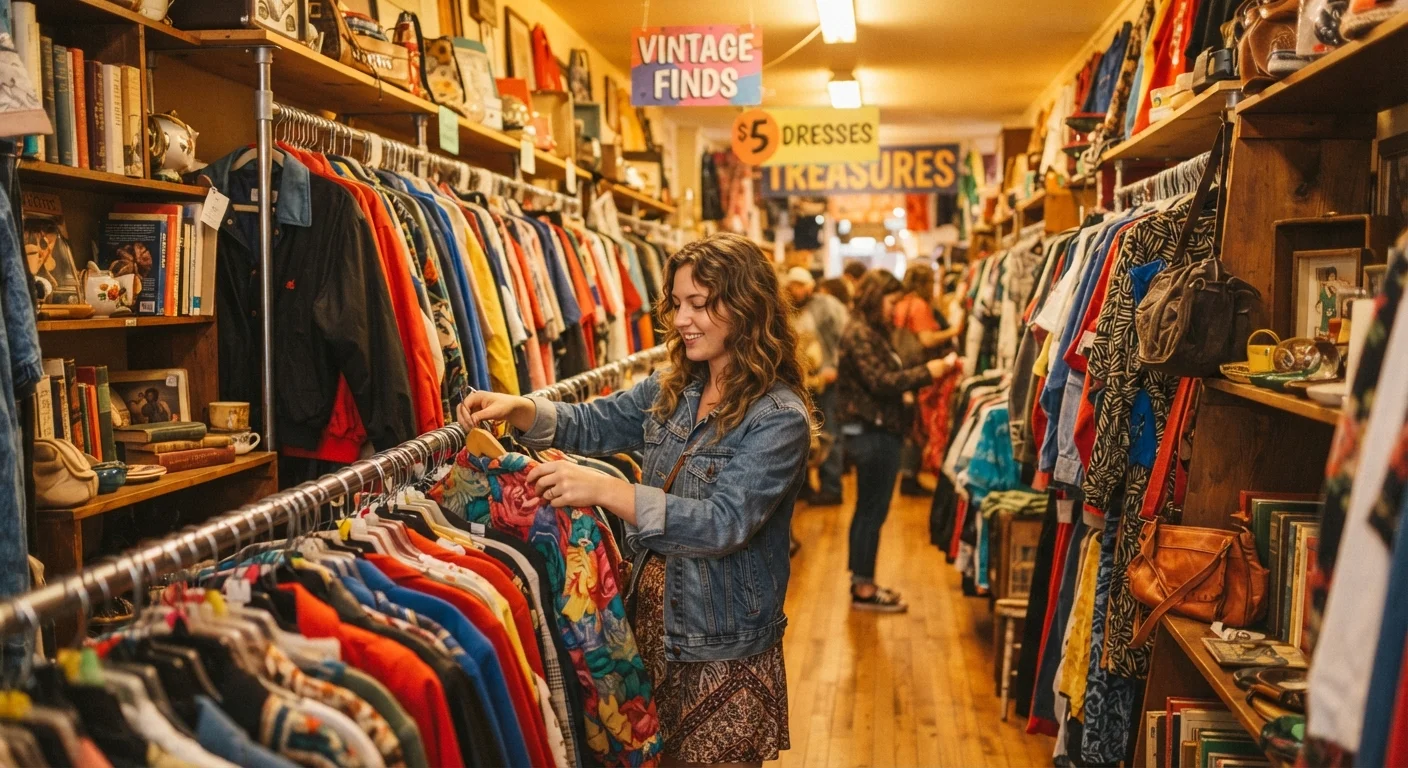
You walked in with high hopes. You walked out with a slightly-too-big blazer and a candle holder you definitely don't need. Meanwhile, the person ahead of you in line was carrying an armful of designer finds, vintage denim, and barely-used cookware. Sound familiar?
Here's the thing: thrift shopping isn't just about showing up. It's a skill, and like any skill, there are habits that separate the people who consistently score from the people who wonder why the racks always look picked over. The good news? Every mistake on this list is completely fixable - and fixing even two or three of them will transform your next haul.
Whether you're thrifting for a curated wardrobe, home decor, or just the thrill of the find, understanding what experienced shoppers do differently is your first real competitive advantage. Let's get into it.
Timing, Habits, and the Mistakes Costing You Your Best Finds
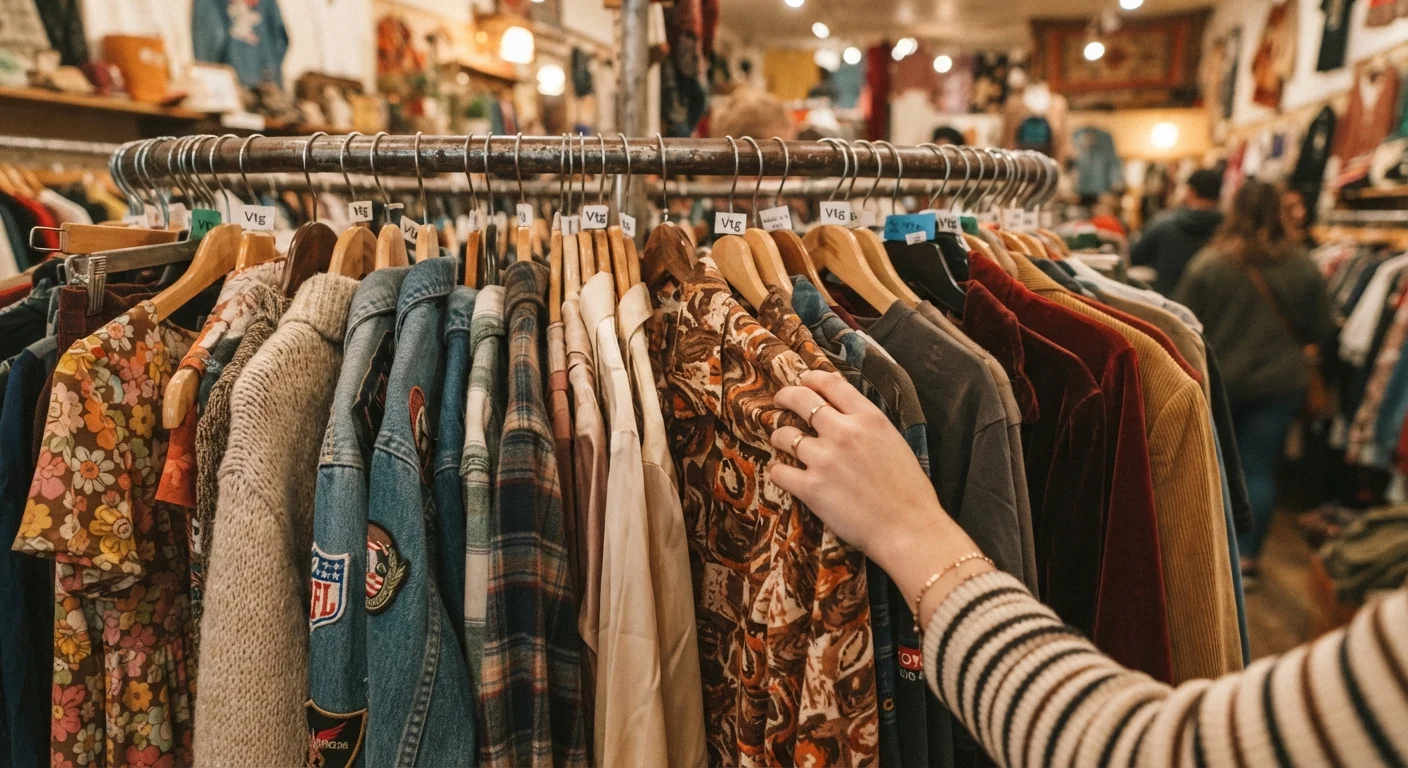
Most of the errors that keep great pieces out of your cart aren't about bad luck - they're about patterns. Here are the most common mistakes thrift shoppers make, why they happen, and exactly how to correct them.
Shopping on weekends when foot traffic - and competition - is at its absolute peak.
Why it happens: Weekends feel like the obvious time to thrift since most people have free time. It's when most casual shoppers show up, which means the best items are already gone by Saturday afternoon.
Arriving without a clear sense of your personal style or what gaps exist in your wardrobe.
Why it happens: Thrifting feels spontaneous by nature, so many shoppers skip the planning stage entirely. Without a style anchor, every item seems like a possibility, and you leave with a chaotic pile that never integrates into real outfits.
Skipping the fitting room because the line looks long or the item 'seems like your size.'
Why it happens: Vintage and secondhand sizing is notoriously inconsistent across decades and brands. Shoppers in a hurry trust labels over their own bodies and end up with pieces that don't actually fit.
Failing to inspect items closely for damage, stains, missing buttons, or broken zippers before buying.
Why it happens: The excitement of finding something great at a low price short-circuits careful evaluation. Shoppers rationalize that they'll 'deal with it later,' but most never do.
Never asking store staff about restocking schedules, sale days, or unadvertised events.
Why it happens: Most shoppers treat thrift stores like any other retail environment - anonymous and transactional. They don't realize that staff often have insider knowledge that regular customers actively leverage.
Buying items solely because the price is low, not because the item fits your life.
Why it happens: The 'it's only $3' justification feels airtight in the moment. But a bad purchase at $3 is still a bad purchase - and 20 of them add up to money wasted on a closet full of things you'll never use.
Only visiting one thrift store location and assuming it represents everything available.
Why it happens: Convenience wins. Shoppers default to the closest store and never discover that different locations - especially in different neighborhoods - receive completely different donation demographics.
Don't Let Donation Drives Fool You Into Weekend Trips
Many stores host high-profile donation drives on weekends, which can feel like a sign that fresh stock is available. In reality, donated items need to be sorted, priced, and prepared before they hit the floor - a process that typically takes one to two business days. Weekend donation drives mean better mid-week inventory, not better Saturday shopping.
Resale Value Doesn't Always Mean Wearable Value
It's tempting to grab anything with a recognizable brand label, especially if you've been browsing resale apps and know the going rates. But condition is everything in resale - and a stained or heavily worn designer piece may be worth far less than its label implies. Always evaluate condition before evaluating brand, not the other way around. See what thrift pricing really signals before making that call.
What Smart Thrifters Know About Timing and Store Rhythms
Once you've eliminated the most damaging habits, the next upgrade is understanding that every thrift store operates on a rhythm - and syncing with it is everything.
Tuesday-Thursday
Peak restocking days at most thrift chains
Industry insiders and experienced resellers consistently identify mid-week as the optimal window for fresh inventory after Monday donation processing.
$21B+
U.S. secondhand apparel market size
According to ThredUp's 2023 Resale Report, the U.S. secondhand apparel market surpassed $21 billion, reflecting explosive growth in thrift shopping demand.
77%
Shoppers open to buying secondhand
A 2023 ThredUp consumer survey found 77% of consumers are open to buying secondhand clothing, up significantly from just a few years prior.
50%+
Average savings vs. retail on thrift finds
Budget lifestyle analysts estimate experienced thrift shoppers save over 50% compared to retail prices - but only when shopping with strategy and timing in mind.
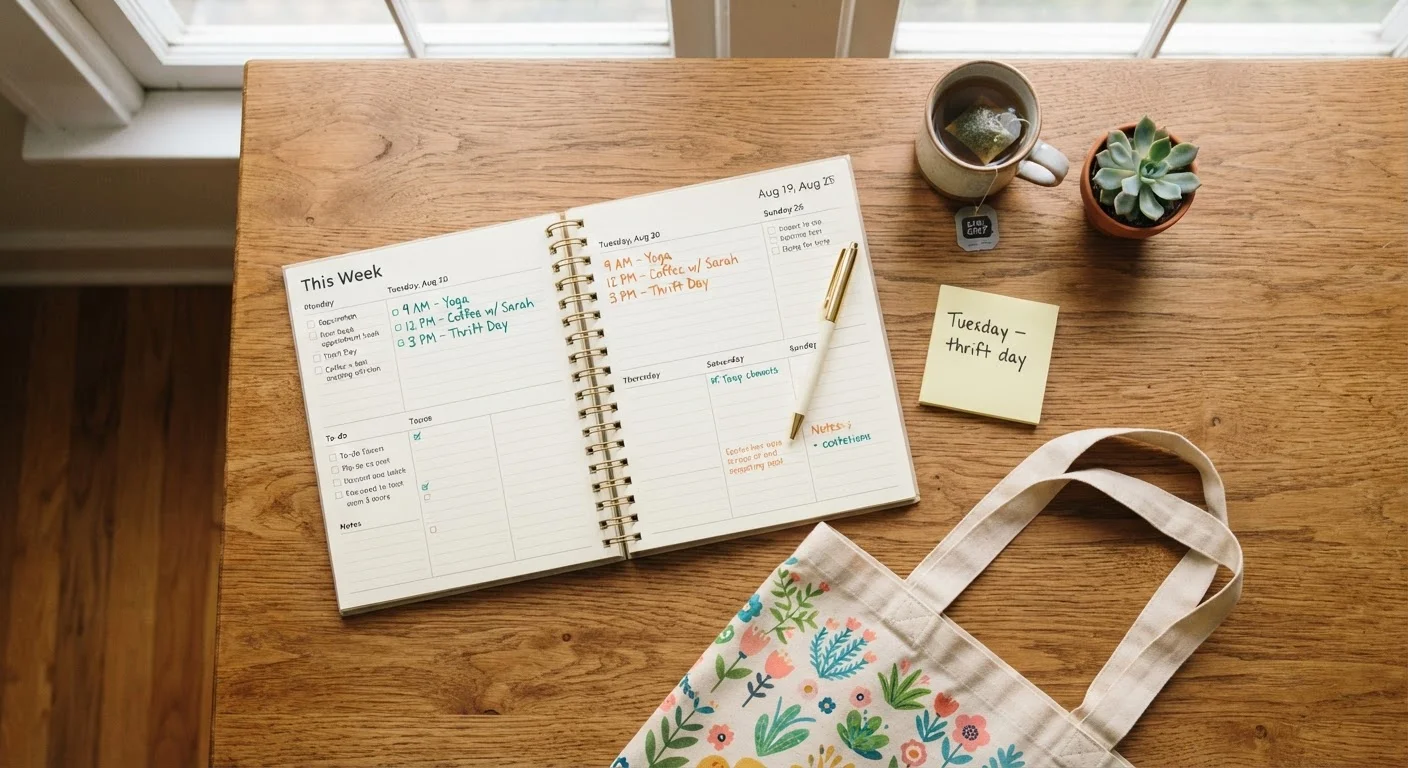
Most large thrift chains like Goodwill and Salvation Army receive donations daily but rotate stock on a predictable weekly schedule. The freshest racks typically hit the floor mid-week, Tuesday through Thursday, after Monday processing. Weekend shopping means you're competing with the highest foot traffic for whatever survived earlier in the week.
Discount days add another layer. Many stores rotate color-tag sales weekly, meaning certain tag colors are 50% off on specific days. Regulars memorize the rotation and plan visits around it. If you've never asked your local store about its tag cycle, that's a conversation worth having at checkout today.
Store staff are genuinely underutilized resources. A friendly, consistent presence - say hi, remember names, be a good tipper at donation drop-off - can result in a staff member holding something back for you or giving you a heads-up before a new lot hits the floor. It sounds old-fashioned, but relationship-based shopping is exactly how resellers get first pick.
For a broader look at how secondhand sourcing channels compare, check out our guide to resale apps vs. thrift stores to see how Goodwill, Poshmark, and Facebook Marketplace each serve different needs.
Shopping With Intention (Not Just Hope)
The biggest shift experienced thrifters make isn't tactical - it's mindset. They stop thrifting randomly and start thrifting with purpose. That means knowing your style, your gaps, and your limits before you ever walk through the door.
Impulse Buying Kills Thrift Budgets Quietly
Because individual prices are low, it's easy to justify grabbing everything that catches your eye. But thrift hauls add up faster than you think - and a cart full of $4 items you'll never wear is still a $60 mistake. Set a firm per-visit budget before you enter the store, and stick to it the same way you would at any other retailer. The secondhand world rewards discipline just as much as it rewards spontaneity.
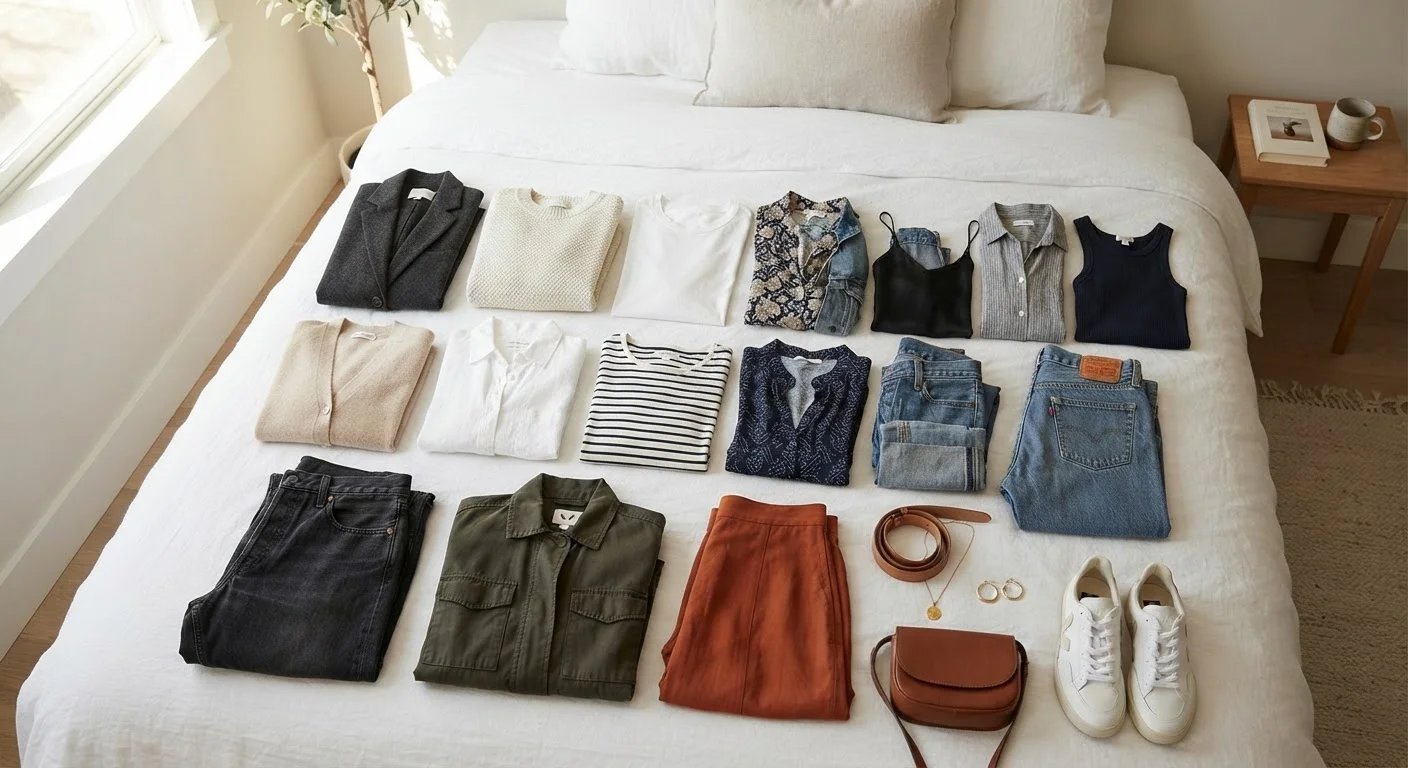
A simple pre-thrift checklist goes a long way. Before each visit, ask yourself: What do I actually need? What colors or silhouettes am I prioritizing? What's my budget ceiling today? This isn't about being rigid - impulse magic is part of thrifting's charm - but having anchors prevents you from filling bags with things that gather dust.
This is exactly the philosophy behind building a cohesive secondhand wardrobe. Building a wardrobe entirely from secondhand pieces is absolutely doable when you shop with a style signature in mind, mixing eras and fits intentionally rather than grabbing whatever catches your eye in the moment.
Don't overlook condition assessment as part of intentional shopping either. Understanding what thrift pricing actually signals can save you from overpaying for damaged pieces - or from passing up a gem priced lower than it should be. What thrift store pricing actually tells you about an item's value breaks down exactly how stores assign prices and what those numbers reveal about quality.
The same discipline applies to home goods. If you're thrifting for your living space, thrift stores and estate sales are where affordable decor actually hides - but only if you know what you're looking for when you walk in.
Building a Thrift Practice That Actually Works
The shoppers who consistently walk out with incredible finds aren't lucky - they're consistent. They've turned thrifting from a once-in-a-while errand into a low-key practice with just enough structure to keep it rewarding.
Here's what that looks like in practice:
- Visit regularly, not occasionally. Even 20 minutes mid-week during a lunch break beats a two-hour weekend marathon on a picked-over floor.
- Rotate your stores. Each location has its own donation demographics. A thrift store in a wealthier zip code often receives higher-end donations. Map two or three stores within easy reach and rotate visits.
- Keep a running wishlist on your phone. When you spot a gap in your wardrobe or home, add it to the list. This prevents both forgetting and impulse-buying the wrong thing when you're in-store.
- Track your tag colors. Snap a photo of the color-tag sale schedule at your favorite store and set a weekly reminder to visit on your best discount day.
- Follow stores on social media. Many thrift locations post featured items, specialty sales, and donation events online. A five-second follow could tip you off to a half-price weekend before it's announced in-store.

And if you're still making classic deal-hunting errors outside the thrift store - like assuming clearance timing always works in your favor - it's worth reading about clearance shopping myths that are costing you better deals. The same analytical mindset that makes you a great thrifter applies everywhere you shop.
The secondhand world is full of genuinely incredible things. They end up in the right person's cart because that person showed up prepared, at the right time, with clear intentions - and then kept showing up. That person can absolutely be you. Now you know exactly how.