
The Honest Tradeoffs of Free Ebook Platforms
Free reading platforms save money but come with wait times, format limits, and catalog gaps. Here's a balanced look at what you gain and give up.
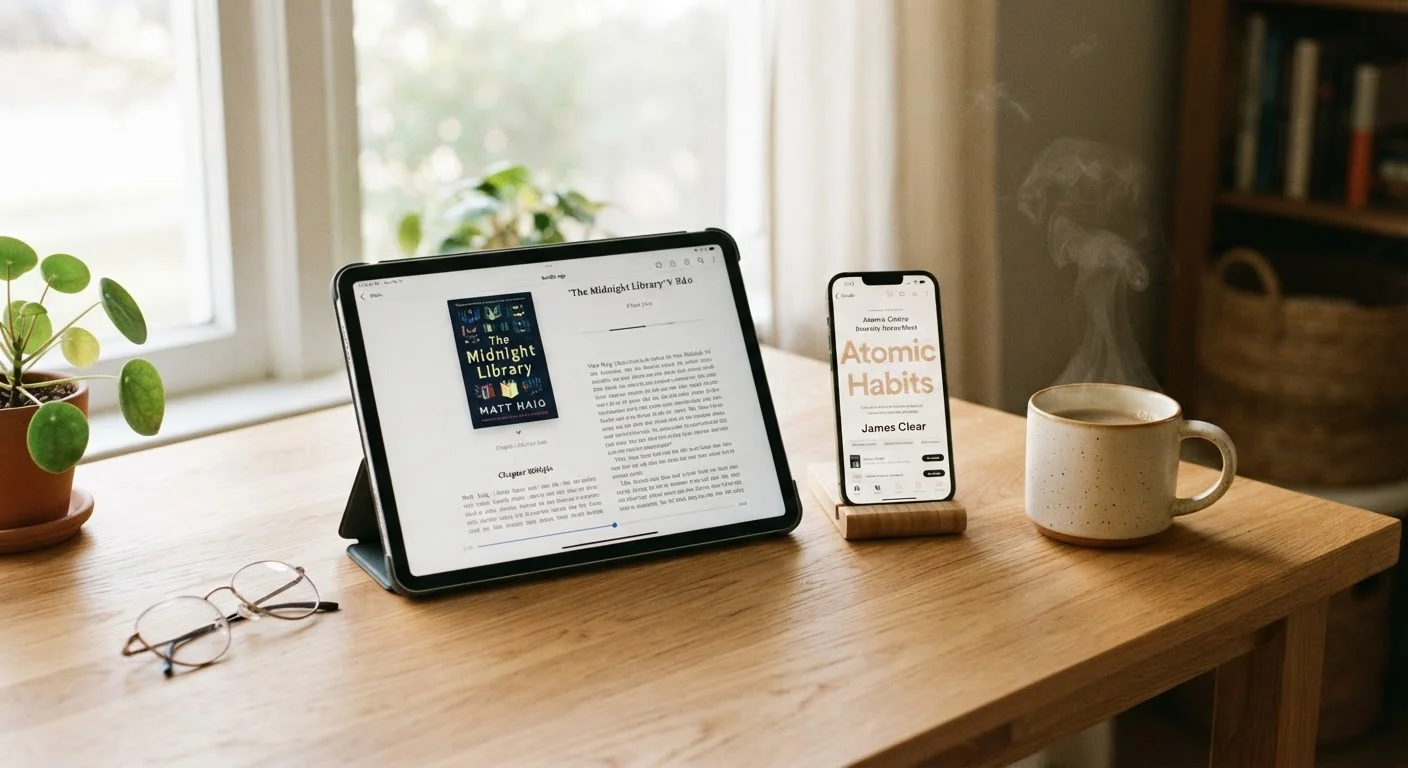
Photo: SaverSteals.com | Explore More. Shop Smarter. editorial
—— In This Article
Key Takeaways
- Free ebook platforms genuinely eliminate upfront costs, but catalog depth and format flexibility vary significantly by platform.
- Library digital lending apps offer broad catalogs, but popular titles often carry waitlists that can stretch weeks or months.
- Public domain platforms like Project Gutenberg provide unlimited, immediate access - almost entirely limited to pre-1928 works.
- Device and app compatibility restrictions can limit where and how you read borrowed ebooks.
- Using multiple free platforms together usually covers more reading needs than relying on any single source.
Zero upfront cost for a wide range of titles
Library digital lending and public domain platforms provide access to thousands of titles without any purchase required. For readers who finish multiple books a month, the annual savings relative to buying can be substantial.
Instant access to public domain classics
Works with expired US copyright - including most titles published before 1928 - are available for immediate, unlimited download. This covers an enormous range of literary fiction, history, philosophy, and nonfiction.
No commitment or subscription required
Most free platforms require only a library card or a free account. There are no cancellation fees, no auto-renewals, and no credit card required to start reading.
Broad genre coverage through library apps
Library digital catalogs typically span fiction, nonfiction, self-help, business, children's books, and more. Coverage of popular and mid-list titles is generally strong, though new releases may have wait times.
Encourages intentional reading habits
Borrowing limits and return windows naturally encourage readers to finish what they start, reducing the 'bought but never read' accumulation common with purchased ebooks.
Popular titles often have long waitlists
Because libraries purchase a limited number of digital licenses per title, high-demand books can have waitlists stretching weeks or months. Readers who want new releases immediately will find this genuinely limiting.
DRM restricts device and app compatibility
Most borrowed ebooks use Digital Rights Management that ties them to specific apps or ecosystems. If your preferred e-reader isn't supported, your reading options are constrained to whatever apps the platform approves.
Public domain catalogs exclude most modern titles
Repositories like Project Gutenberg are invaluable for pre-1928 works but offer nothing published in the past century. Readers primarily interested in contemporary fiction or nonfiction will find these platforms insufficient on their own.
Checkout periods can feel rushed
Standard library ebook loans run 14 to 21 days - workable for lighter reads, but potentially stressful for dense nonfiction or readers with unpredictable schedules. Many platforms allow renewals, but only if no one else is waiting.
Access depends on library card eligibility
Most library digital lending apps require a valid library card, which typically means residing in a qualifying municipality. Readers in areas with underfunded library systems may find digital catalogs considerably thinner.
What 'Free' Actually Means Across Different Platforms
Not all free ebook access works the same way. The major categories are library digital lending (apps like Libby, which connect to your public library card), public domain repositories, and limited free tiers on otherwise paid services. Each has a distinct model, and conflating them leads to disappointment.
Library lending apps work like physical library checkouts - you borrow a title for a set period, return it, and the next person in line gets access. Public domain repositories offer permanent, unrestricted downloads of works whose copyright has expired, typically those published before 1928 in the US. Free tiers on paid platforms usually offer a rotating or curated subset of their full catalog.
Common misconceptions about free ebooks - like assuming all free titles are low quality or that library apps require a physical visit - often cause readers to underestimate what's actually available to them.
Zero upfront cost for a wide range of titles
Library digital lending and public domain platforms provide access to thousands of titles without any purchase required. For readers who finish multiple books a month, the annual savings relative to buying can be substantial.
Instant access to public domain classics
Works with expired US copyright - including most titles published before 1928 - are available for immediate, unlimited download. This covers an enormous range of literary fiction, history, philosophy, and nonfiction.
No commitment or subscription required
Most free platforms require only a library card or a free account. There are no cancellation fees, no auto-renewals, and no credit card required to start reading.
Broad genre coverage through library apps
Library digital catalogs typically span fiction, nonfiction, self-help, business, children's books, and more. Coverage of popular and mid-list titles is generally strong, though new releases may have wait times.
Encourages intentional reading habits
Borrowing limits and return windows naturally encourage readers to finish what they start, reducing the 'bought but never read' accumulation common with purchased ebooks.
The Real Disadvantages You Should Anticipate
The friction points are real, and they're worth naming plainly so you can plan around them rather than be blindsided.
Popular titles often have long waitlists
Because libraries purchase a limited number of digital licenses per title, high-demand books can have waitlists stretching weeks or months. Readers who want new releases immediately will find this genuinely limiting.
DRM restricts device and app compatibility
Most borrowed ebooks use Digital Rights Management that ties them to specific apps or ecosystems. If your preferred e-reader isn't supported, your reading options are constrained to whatever apps the platform approves.
Public domain catalogs exclude most modern titles
Repositories like Project Gutenberg are invaluable for pre-1928 works but offer nothing published in the past century. Readers primarily interested in contemporary fiction or nonfiction will find these platforms insufficient on their own.
Checkout periods can feel rushed
Standard library ebook loans run 14 to 21 days - workable for lighter reads, but potentially stressful for dense nonfiction or readers with unpredictable schedules. Many platforms allow renewals, but only if no one else is waiting.
Access depends on library card eligibility
Most library digital lending apps require a valid library card, which typically means residing in a qualifying municipality. Readers in areas with underfunded library systems may find digital catalogs considerably thinner.
Waitlists are the most common frustration. Because digital library licenses are typically sold per copy, a popular new release can have hundreds of holds. Understanding why digital library waitlists exist helps set expectations - and reveals legitimate strategies for reducing wait time, like placing holds early or exploring less-trafficked library systems.
Format and device restrictions add another layer. Borrowed ebooks are usually protected by DRM (Digital Rights Management), which limits which apps and devices can open them. If your preferred e-reader isn't supported by a platform's DRM system, you may be stuck reading on a phone or computer instead.
Small habits that quietly undercut free reading routines - like ignoring holds queues or missing return windows - can compound these structural limitations.
How to Stack Platforms to Close the Gaps
No single free platform covers every reading need, but most readers can build a solid routine by combining two or three sources strategically. A library lending app handles new releases and popular fiction; a public domain repository covers classics and out-of-print works; a free-tier digital service fills in genre gaps.
70,000+
Free public domain ebooks on Project Gutenberg
Project Gutenberg publicly reports hosting over 70,000 free ebook titles, all in the public domain and available without registration.
90%+
US residents with library card eligibility
The American Library Association estimates the vast majority of US residents live within a public library service area, though digital catalog quality varies by jurisdiction.
For public domain depth, understanding what Project Gutenberg offers - and where its catalog ends - helps you use it efficiently rather than discovering its limits mid-search.
Before assuming you need a paid subscription, it's worth running through what you already have access to. A checklist of free alternatives to review before paying for a subscription can surface options you may have overlooked, including lesser-known library programs and publisher free-reading initiatives.
For a broader cost comparison between borrowing and buying, a realistic cost breakdown for readers lays out when each approach makes the most financial sense. And if you're weighing digital versus print more generally, the long-term cost comparison between ebook and print formats is worth a read before committing to either.
Once you've assembled your free reading toolkit, strategies for sustaining a consistent free reading routine - from managing holds queues to tracking your reading list - help you keep momentum without reverting to paid options out of convenience.
Books Editorial Team
Books Editorial Team is the collective byline for our editorial team and contributor network. Articles published under this byline or an editorial pen name are researched, written, and reviewed according to our editorial standards for clarity, consistency, and independence before publication.
View author profile