
Before You Pay for an Ebook Subscription, Check These Free Alternatives First
A practical checklist to run through before committing to a paid reading service — you may already have access to what you need.
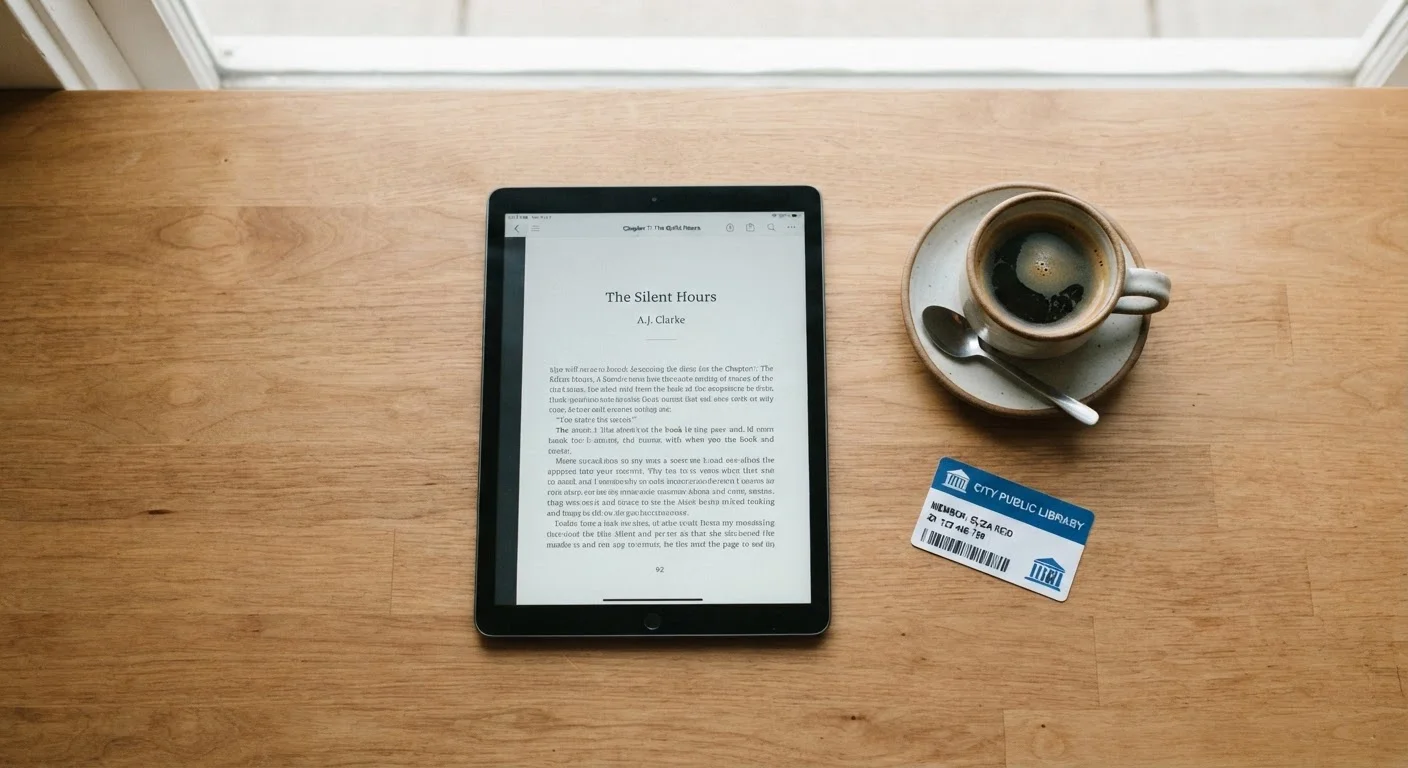
Photo: SaverSteals.com | Explore More. Shop Smarter. editorial
—— In This Article
Key Takeaways
- Most US library cardholders already have free access to thousands of ebooks through apps like Libby and Hoopla.
- Project Gutenberg and the Internet Archive provide legal free access to a large catalog of public domain and out-of-print titles.
- Your employer, university, or workplace benefits portal may already include a reading subscription at no extra cost.
- Many paid subscription services offer a free trial long enough to assess whether the catalog fits your actual reading habits.
- Combining two or three free sources can often replace the catalog breadth of a single paid service entirely.
Why This Checklist Exists
Paid ebook subscription services are easy to sign up for and easy to forget about. Before you add another recurring charge to your statement, it's worth spending fifteen minutes confirming what you already have access to - for free.
The goal here isn't to talk you out of paying for something genuinely useful. It's to make sure you're not paying for access you already own. Most US readers are sitting on more free reading options than they realize, and the friction of setting them up is lower than it used to be. If you're new to thinking systematically about this, our broader guide to reading on a tight budget covers the full landscape.
Work through the checklist below before entering your card details anywhere.
Library Access
Free Digital Archives and Open Access
Existing Accounts and Benefits You May Already Have
Evaluating a Paid Service Before Committing
What to Do With the Results
If you checked off three or more items in the first two groups, you very likely have enough free access to cover a typical reading habit without a subscription. The key is actually setting up those accounts - a library card that lives in a drawer does nothing.
For readers who consume a high volume of current releases, a paid service may still make sense, but only after you've confirmed what the free alternatives genuinely can't cover. Many common assumptions about the quality and range of free ebooks turn out to be wrong - see our breakdown of free ebook myths for specifics.
If you're unsure how to actually borrow and read a library ebook on your current device, this step-by-step setup guide walks through the whole process. And if you want to build a sustainable habit across multiple free platforms, combining library apps, archives, and open access explains how to make the pieces work together consistently.
Free Trial Auto-Renewals Are Easy to Miss
Most paid ebook services automatically charge your card when a free trial ends - sometimes after as few as seven days. Always set a calendar alert the day you start a trial, not when you think it might end. Check the confirmation email for the exact renewal date, and verify that cancellation actually went through rather than assuming it did.
Free audiobooks are also worth auditing before paying separately for audio. Several legitimate sources require no paid subscription and are available right now through platforms and apps you may already use.
Books Editorial Team
Books Editorial Team is the collective byline for our editorial team and contributor network. Articles published under this byline or an editorial pen name are researched, written, and reviewed according to our editorial standards for clarity, consistency, and independence before publication.
View author profile