
Why Waitlists Exist for Popular Library Ebooks - and How to Work Around Them
Digital copies of library books can still have long waitlists. Understand why the system works this way and what options reduce wait time.
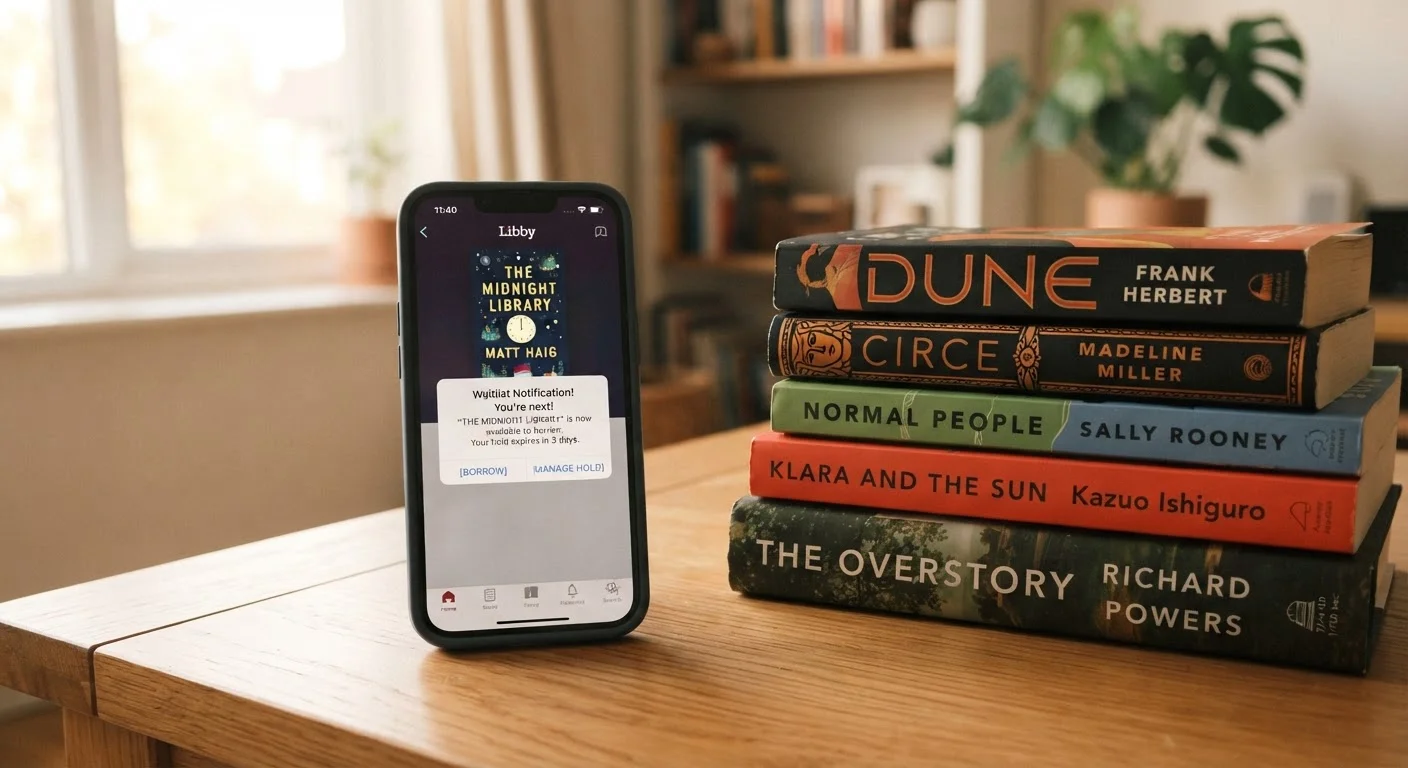
Photo: SaverSteals.com | Explore More. Shop Smarter. editorial
—— In This Article
Key Takeaways
- Publishers sell libraries limited-copy licenses, so popular ebooks have genuine scarcity despite being digital.
- Most waitlists move faster than they appear - checkout periods are fixed and copies return on a schedule.
- Hoopla offers simultaneous borrowing with no holds for a smaller catalog of titles.
- Holding cards from multiple library systems can multiply your access to ebook copies.
- Placing holds on several titles at once prevents gaps between your reads.
- Patience plus strategy - not just waiting - is the practical path through ebook queues.
The Licensing Reality Behind the Queue
When you encounter a 30-person waitlist for a digital book, the natural reaction is confusion. It's a file - why can't the library just give everyone a copy? The answer lies entirely in how publishers license ebooks to libraries, not in any technical constraint.
Under the dominant licensing model used by major publishers, each ebook sold to a library comes with access rights for one patron at a time. Some publishers use metered-access licenses that expire after a set number of checkouts; others sell perpetual single-copy licenses. Either way, the library cannot legally lend the same licensed copy to two people simultaneously, regardless of how easily the file could be duplicated.
Publishers adopted this model partly to protect retail sales, particularly for newly released titles. Libraries have pushed back - and some have negotiated better terms over time - but the one-copy-one-user structure remains standard for most major releases. Understanding this removes the mystery from the waitlist and points toward realistic workarounds.
Not All Publishers Use the Same Terms
A small number of publishers - notably some academic and independent presses - license ebooks to libraries under simultaneous-use models, meaning no waitlist. This is still the exception rather than the rule for mainstream commercial fiction and nonfiction. When you see no queue on a title, that's likely the reason.
For a fuller picture of how the major lending platforms handle this, see how OverDrive, Libby, and Hoopla actually work.
How to Move Through Queues More Efficiently
The single most effective tactic is simple: place holds on multiple titles at once. Most readers wait until they finish one book before joining the next queue, which means weeks of dead time. Stagger four or five holds across titles with varying queue lengths, and copies will arrive in a steady stream rather than in bursts.
Checkout periods are fixed - typically 14 or 21 days - and unread borrows still expire, so the queue moves on a predictable schedule. A 20-person waitlist on a title with 3 library copies and a 21-day checkout period often clears in under two months.
Stagger Your Holds to Avoid Gaps
Don't wait until you finish your current book to join the next queue. Place holds on three to five titles simultaneously, mixing high-demand new releases with shorter-wait backlist options. This keeps a steady rotation of available reads rather than leaving you with nothing while queues clear.
Checking your library system's holds page for estimated wait times (displayed in Libby as "estimated wait") lets you sequence your queue intelligently. Place holds on a high-demand new release and a moderate-wait backlist title at the same time; you'll likely hit both windows within a reasonable stretch.
If your library participates in a consortium or offers non-resident cards, you may be able to hold a second card from a neighboring system. That effectively doubles the pool of copies available to you. How to get the most from multiple library systems explains how to check eligibility without overpaying for access.
Platforms That Bypass Waitlists Entirely
Hoopla is the most practical alternative for readers who hit long queues on Libby. It operates on a simultaneous-access model - the library pays per borrow rather than per copy, so there are no holds. The tradeoff is a monthly cap (set by each library, often 5-10 borrows) and a catalog that skews toward older or independently published titles rather than current bestsellers.
For public domain reading, Project Gutenberg and Standard Ebooks provide thousands of titles - classics, literary fiction, history, science - with no accounts, no queues, and no expiration dates. These aren't workarounds for new releases, but they're a genuinely deep well for readers working through a back catalog.
For a direct comparison of where each platform fits into a reading workflow, Libby vs. Hoopla breaks down the tradeoffs clearly. And if you're open to physical copies alongside digital, library book sales can fill gaps for a dollar or two per title.
1-copy
Standard ebook license per library checkout slot
Most major publisher licensing agreements with libraries permit only one simultaneous patron per purchased copy, mirroring physical book lending.
14-21 days
Typical ebook checkout period on Libby
Fixed checkout windows mean waitlists move on a predictable schedule, allowing readers to estimate actual wait times based on queue length and copy count.
5-10 titles
Typical monthly Hoopla borrow cap per patron
Libraries set individual monthly limits on Hoopla borrows; the cap varies by system but typically ranges from 5 to 10 titles per month.
Frequently Asked Questions

Books Editorial Team
Books Editorial Team is the collective byline for our editorial team and contributor network. Articles published under this byline or an editorial pen name are researched, written, and reviewed according to our editorial standards for clarity, consistency, and independence before publication.
View author profile