
Free Audiobook Sources That Don't Require a Paid Subscription
Libraries, LibriVox, and several lesser-known platforms offer free audiobooks legally. Here's where to find them and what to expect.
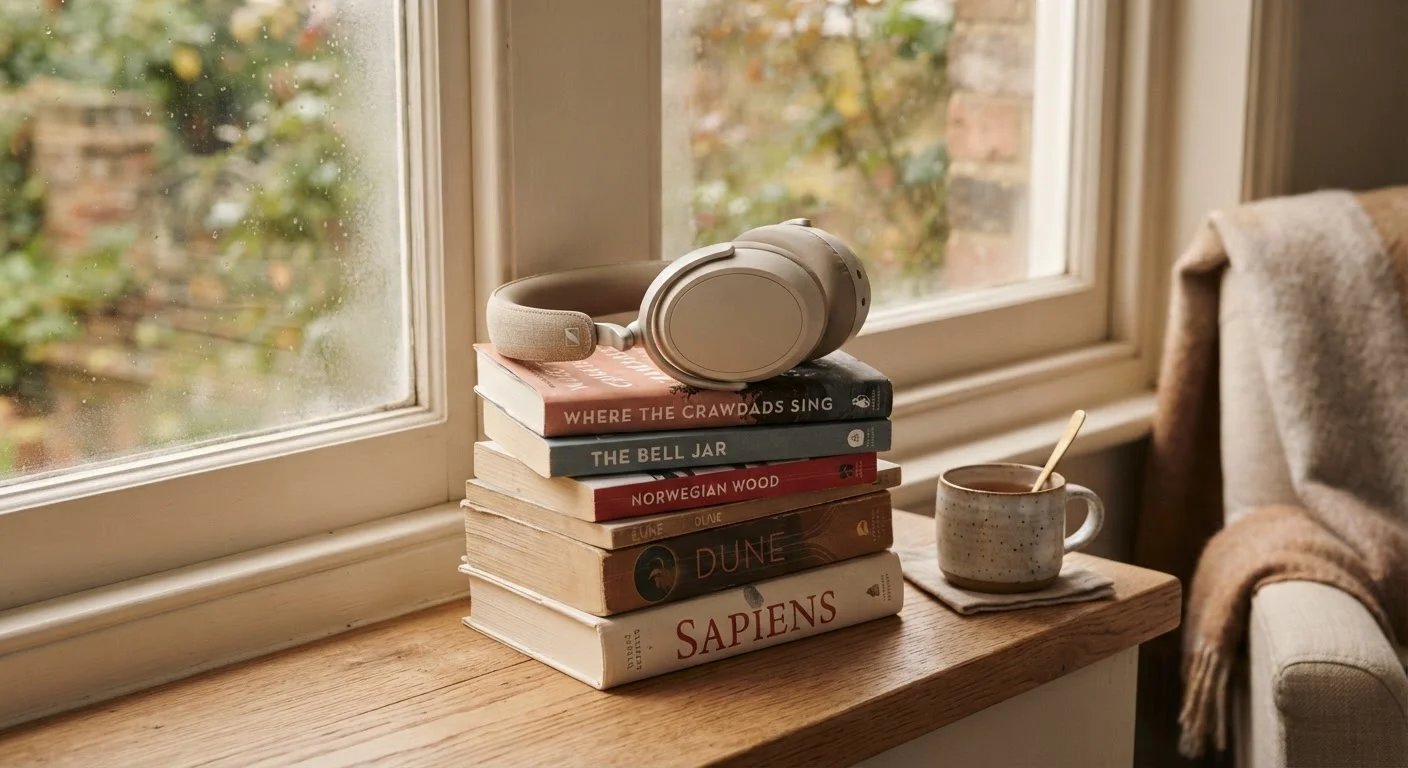
Photo: SaverSteals.com | Explore More. Shop Smarter. editorial
—— In This Article
Key Takeaways
- Your public library card unlocks free audiobooks through apps like Libby and hoopla, no waitlists required on some titles.
- LibriVox offers thousands of public-domain audiobooks recorded by volunteers, completely free and legal to download.
- Several platforms provide limited free audiobook access without requiring a credit card or ongoing subscription.
- Audiobook availability varies by platform; combining two or three sources covers far more ground than relying on one.
Why Free Audiobook Access Is More Robust Than Most People Expect
Many listeners assume that free audiobooks means sifting through low-quality recordings or navigating grey-market sites. That's not the reality. A combination of library infrastructure, volunteer-produced archives, and platform trial programs means a US listener can access a genuinely wide range of titles - from contemporary fiction to classic nonfiction - without paying a monthly fee.
The catch is that no single source covers everything. A library app may have deep catalog depth but waitlists for popular titles. A public-domain archive has unlimited access but only pre-1928 works. Knowing what each source does well helps you route the right request to the right place. For a broader look at how these pieces fit together, see combining free reading tools.
Your Public Library via Libby (OverDrive)
Libby is the app most US public libraries use to lend digital audiobooks. With a valid library card, you can borrow titles directly to your phone or tablet and listen offline. Popular titles may have waitlists, but the catalog - funded by your library system - includes major publishers and recent releases that you simply won't find for free anywhere else.
If you have cards at multiple library systems, Libby lets you connect all of them in one app, which meaningfully increases your available catalog and can reduce wait times.
A library card is effectively a free pass to thousands of professionally produced audiobooks.
Hoopla Digital
Hoopla is a library-affiliated platform that operates on a borrowing model with no waitlists - if your library subscribes, you can borrow a set number of titles per month instantly. The audiobook catalog skews toward indie publishers, genre fiction, and nonfiction, and it's frequently updated. Check whether your library system participates; many do, and the sign-up process takes only a few minutes with your library card.
Hoopla's no-waitlist model means you can start listening to a borrowed audiobook immediately.
LibriVox
LibriVox is a volunteer-run project that produces free, public-domain audiobook recordings. Every title in its catalog - thousands of them - is completely free to download or stream, with no account required. Recording quality varies because volunteers with different equipment contribute, but many recordings are genuinely excellent. The catalog covers classic literature, philosophy, history, and science texts that have entered the public domain (generally works published before 1928 in the US).
LibriVox files are also available through the Internet Archive, which adds a convenient streaming interface if you prefer not to download.
LibriVox requires no account and no payment - thousands of classics are available to download immediately.
Internet Archive Audio Section
The Internet Archive hosts a large collection of audio content beyond LibriVox, including old-time radio broadcasts, spoken-word recordings, academic lectures, and user-uploaded public-domain audiobooks. It also participates in a Controlled Digital Lending program for some print-to-audio content. The interface is functional rather than polished, but the depth of material - particularly for nonfiction and historical content - is hard to match elsewhere at no cost.
The Internet Archive's audio holdings extend well beyond classic fiction into lectures, radio, and nonfiction.
Loyal Books (formerly Books Should Be Free)
Loyal Books aggregates public-domain audiobooks from multiple sources, including LibriVox, and presents them with a cleaner browsing interface organized by genre and author. It's useful as a discovery tool if you find LibriVox's own site hard to navigate. All content is free to stream or download without registration. The catalog is limited to public-domain works, so don't expect anything published in the last few decades.
Loyal Books is a useful front-end for public-domain audiobooks if standard archives feel hard to navigate.
Spotify Free Tier
Spotify's free tier includes a growing selection of audiobooks alongside its music and podcast catalog. Access without a paid subscription is limited - free users can listen to a set number of hours per month - but it's a legitimate no-cost entry point. The catalog focuses on popular nonfiction, self-help, and some fiction. It's not a substitute for a library app, but it's worth checking if you already use Spotify for music and want to test audiobook listening without setting up a separate account.
Spotify's free tier offers a monthly allotment of audiobook listening without any subscription commitment.
Project Gutenberg's Audio Books Section
Project Gutenberg - best known for free ebooks - also hosts a collection of human-read and computer-generated audiobook files for public-domain titles. The human-read recordings overlap significantly with LibriVox (many are sourced from there), while the computer-generated files cover a wider range of titles at lower audio fidelity. It's a reliable fallback for any classic text you can't find elsewhere in audio format. No account is needed, and files are freely downloadable.
Project Gutenberg's audio section is a reliable fallback for public-domain classics not available elsewhere.
Getting the Most Out of These Sources
The most practical approach is to treat these sources as a rotation rather than a hierarchy. Start with your library app for newer titles, fall back on public-domain platforms for classics, and use open-access archives when you're looking for lectures, language content, or nonfiction that doesn't require a commercial release. If you've never set up a library digital account before, this walkthrough for first-time library app users covers the process step by step.
Combine sources to avoid gaps
No single free source covers the full spectrum of audiobook genres and publication dates. Using your library app for newer titles and a public-domain platform for classics means you rarely hit a dead end. Check common misconceptions about free reading options if you're unsure what to expect from these platforms.
Before committing to any paid audiobook service, it's worth running through a checklist of free alternatives - you may already have access to more than you realize. And for a wider reference covering text-based reading options alongside audio, this free reading reference guide is a useful companion.

Books Editorial Team
Books Editorial Team is the collective byline for our editorial team and contributor network. Articles published under this byline or an editorial pen name are researched, written, and reviewed according to our editorial standards for clarity, consistency, and independence before publication.
View author profile