
Saving on Beauty Without a Single Coupon: Strategies That Don't Rely on Clipping
Loyalty tiers, price-match policies, and timing purchases around restock cycles can cut beauty costs just as effectively as coupons.
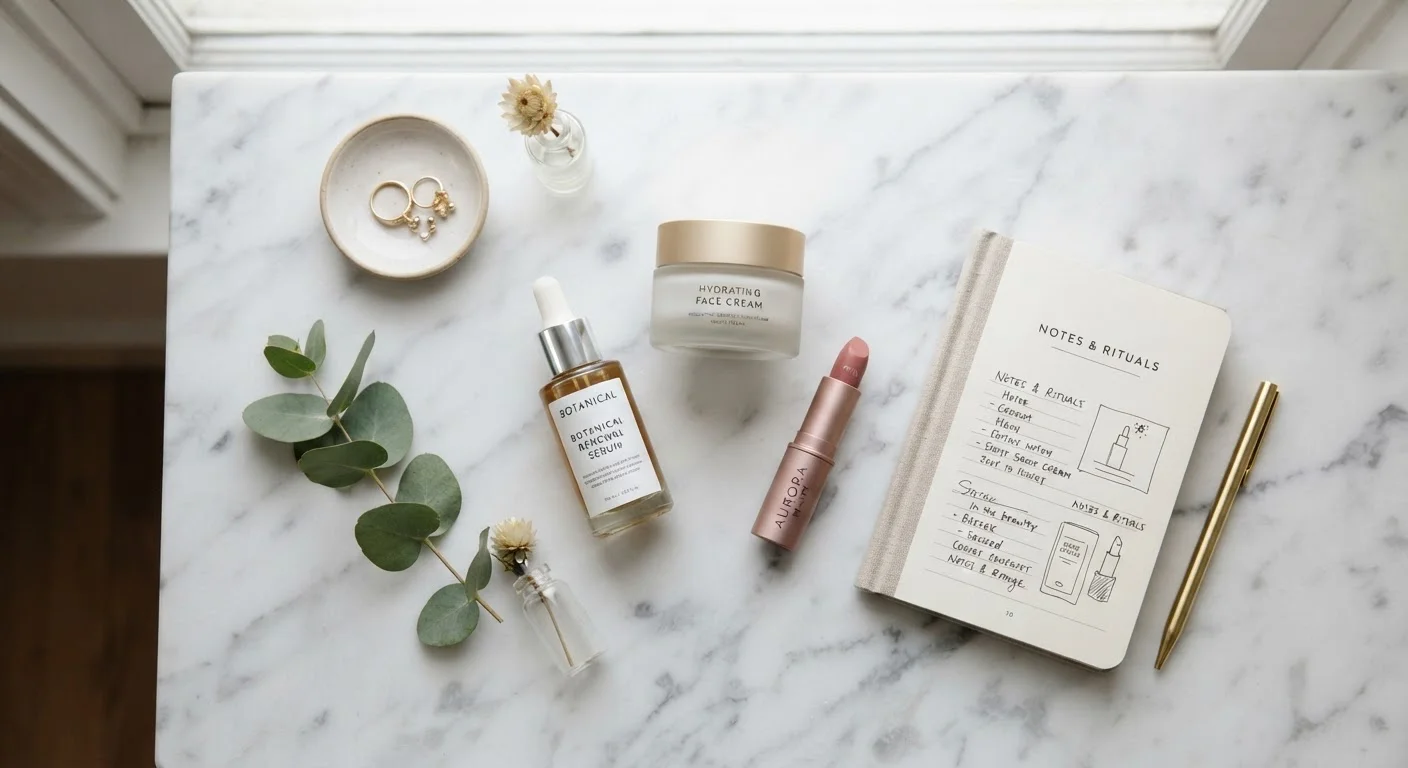
Photo: SaverSteals.com | Explore More. Shop Smarter. editorial
—— In This Article
Key Takeaways
- Loyalty program tiers at major retailers often unlock percentage-off perks without any coupon required.
- Price-match policies let you claim a lower advertised price at checkout, no clipping involved.
- Timing purchases around predictable restock and clearance cycles can yield consistent savings.
- Buying multi-use or concentrated formulas reduces cost-per-use, stretching your beauty budget further.
- Retailer credit cards and store-branded payment options frequently generate cashback on beauty spending.
- Signing up for retailer emails often unlocks birthday rewards and member-only pricing automatically.
Why Coupons Aren't the Only Path to Beauty Savings
Coupons have long been the default tool for budget-conscious beauty shoppers - but they're not the only one, and for many people they're not even the most efficient. Between expiry dates, exclusion lists, and the time spent tracking down valid codes, coupon-hunting has real costs of its own. Meanwhile, a handful of structural strategies can quietly reduce what you pay on beauty without requiring you to clip, print, or stack a single offer.
These approaches work by aligning your habits with systems retailers already have in place - loyalty tiers, price-match windows, restocking patterns, and payment rewards. The savings tend to be less dramatic per transaction but far more consistent over time. For a broader look at how these strategies fit alongside coupon use, the complete strategic playbook covers the full picture. If you're more focused on lasting value from every purchase, buying budget beauty products that actually last is worth reading alongside this guide.
Climb Loyalty Tiers Strategically
Most major beauty retailers - including drugstores and specialty chains - structure their loyalty programs in tiers. Higher tiers unlock automatic percentage-off benefits, free shipping thresholds, and early access to sales, none of which require a coupon. The key is concentrating your spending at one or two retailers rather than spreading it thinly across many, so you hit higher tiers faster.
Review what each tier actually offers before consolidating. Some programs reward points redeemable for products; others offer direct discounts. Understanding the structure helps you choose where your spending will return the most value. The first-timer's roadmap to loyalty programs provides useful orientation if any of these systems are new to you.
Concentrating spending at one or two retailers lets you hit higher loyalty tiers far faster.
Use Price-Match Policies Proactively
Many retailers offer price-match guarantees - if the same product appears at a lower price at a qualifying competitor, they'll match it at checkout or within a post-purchase window. Beauty shoppers often overlook this because it requires a small amount of upfront comparison, but no coupon is needed.
Before buying a higher-ticket item like a skincare device or foundation with a broad shade range, spend two minutes checking whether a competing retailer carries it at a lower price. Policies vary by store, so confirm the qualifying criteria (online vs. in-store, which competitors count) before relying on a match.
Price-match policies can secure a lower price without any coupon - just a quick comparison check.
Time Purchases Around Restock and Clearance Cycles
Beauty retailers follow fairly predictable inventory patterns. Seasonal shade ranges in cosmetics - particularly lip colors and eyeshadow palettes - often go on clearance as a new season's collection arrives. Skincare tends to clear in late winter and late summer. Haircare and body products frequently mark down around major shopping holidays.
You don't need a precise calendar, just a loose awareness of when your preferred retailers tend to rotate stock. Holding off on a non-urgent purchase for three to four weeks can sometimes result in a 30-50% reduction without any promotional code involved. Keeping your beauty savings organised year-round covers how to track these cycles systematically.
Seasonal clearance cycles are predictable - patience alone can yield significant savings on beauty.
Opt for Retailer Credit Cards and Cashback Programs
Store-branded credit cards and general cashback credit cards return a percentage of beauty spending automatically, without any coupon or code required. Some retailer cards also offer accelerated earn rates on in-store or online purchases within their own ecosystem.
The value here is passive - once you set up the card and pay your balance in full each month, the savings accumulate without any active effort. The caveat is that carrying a balance erases any benefit, so this strategy only makes financial sense for shoppers who already pay off their cards monthly.
Cashback cards return a percentage of every beauty purchase automatically - no codes, no clipping.
Calculate Cost-Per-Use Before Buying
A higher upfront price on a concentrated serum, a long-wear formula, or a multi-use product can translate to a lower actual cost per use than a cheaper single-purpose alternative. This isn't about spending more - it's about recognizing that a $28 moisturizer that lasts four months may cost less per day than a $14 one that runs out in six weeks.
Applying this lens consistently reduces the total number of purchases you need to make across a year, which is itself a form of savings. It also reduces the impulse to buy volume-based deals that lead to product waste. For more on evaluating value over price, see beauty on a budget strategies.
Calculating cost-per-use often reveals that a pricier concentrated formula is actually the cheaper choice.
Activate Birthday and Member Rewards Automatically
Most loyalty programs include automatic birthday rewards - typically a discount or free product - that activate without any coupon code. These are easy to forget but simple to capture: ensure your date of birth is correctly entered in each loyalty account and check your email inbox in the weeks around your birthday for activation instructions.
Similarly, many retailers trigger welcome rewards, anniversary rewards, or milestone bonuses at specific point thresholds. These trigger automatically based on your account activity, requiring only that you have an active account and are logged in at checkout.
Birthday and milestone rewards activate automatically - you just need an active, complete loyalty account.
Building These Habits Into Your Routine
None of these strategies require significant time investment once they're set up. The most effective approach is to treat them as defaults - join loyalty programs at any retailer you visit more than twice a year, note price-match windows when you buy, and loosely track which months tend to bring clearance cycles at your preferred stores.
Start with Two Retailers, Not Ten
Joining every loyalty program sounds like maximizing opportunity, but it often leads to fragmented points balances that never reach redemption thresholds. Identify the one or two retailers where you make the majority of your beauty purchases and focus exclusively on climbing their loyalty tiers. Consistent engagement with fewer programs almost always produces more usable rewards than minimal engagement with many.
Over time, these habits compound. A loyalty tier that returns 5% in points, combined with a birthday reward and a well-timed clearance purchase, can deliver savings comparable to active coupon stacking - with far less effort. For shoppers who do want to layer coupons on top, stacking beauty discounts effectively explains how to combine both approaches without running into retailer restrictions.

Beauty Editorial Team
Beauty Editorial Team is the collective byline for our editorial team and contributor network. Articles published under this byline or an editorial pen name are researched, written, and reviewed according to our editorial standards for clarity, consistency, and independence before publication.
View author profile