
Keeping Your Beauty Coupon Strategy Organised Throughout the Year
Tracking expiry dates, seasonal sales cycles, and loyalty point balances: proven habits that prevent wasted savings opportunities.
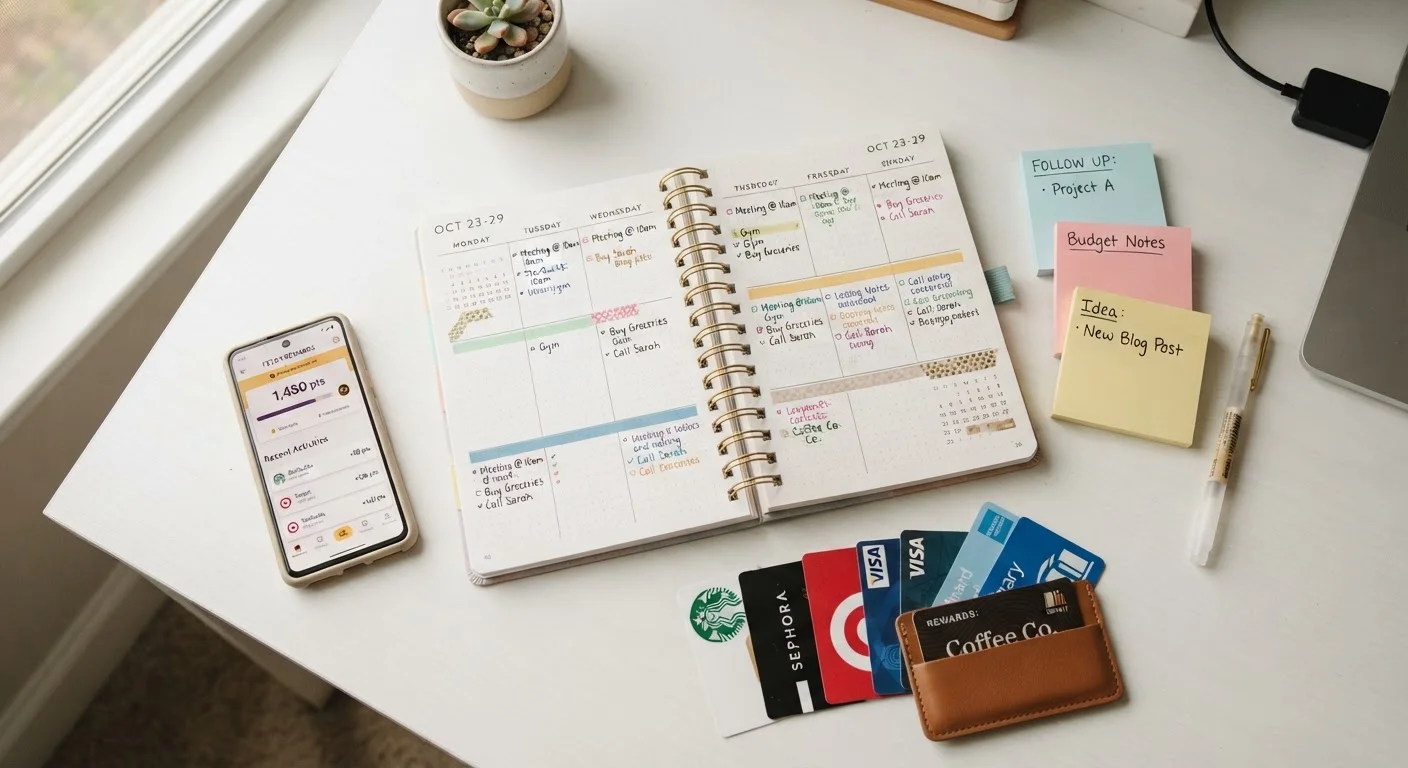
Photo: SaverSteals.com | Explore More. Shop Smarter. editorial
—— In This Article
Key Takeaways
- Tracking expiry dates on a centralized calendar prevents coupons from expiring unused.
- Mapping beauty sales cycles in advance lets you align purchases with the deepest discounts.
- Monitoring loyalty point balances regularly avoids losing rewards to inactivity or expiration.
- Stacking coupons with loyalty events yields greater savings than using either tactic alone.
- A quarterly review of your strategy keeps it aligned with shifting retailer programs.
Why Organisation Is the Foundation of Coupon Strategy
Most beauty shoppers lose savings not because they lack coupons, but because their system for managing them is inconsistent. A coupon found but forgotten, a points balance that expired, or a sale missed by a week - these small failures compound over a year into meaningful wasted opportunity. The complete strategic playbook for beauty savings covers every tactic from sourcing to checkout, but the connective tissue holding all of it together is organisation.
Treating your coupon and rewards management like a recurring maintenance task - rather than a spontaneous hunt - is the mindset shift that separates occasional savers from consistent ones. The practices below build that structure systematically.
Best Practices for Managing Beauty Coupons and Rewards Year-Round
The following habits form a reliable, repeatable system for staying on top of coupon expiry, loyalty balances, and promotional timing throughout the calendar year.
Centralise all coupon expiry dates in one calendar or tracker
Coupons scattered across email inboxes, apps, and paper clippings are easy to forget. A single reference point - whether a digital calendar, spreadsheet, or dedicated app - eliminates the mental overhead of tracking multiple sources and surfaces expiring offers before they lapse.
Map your planned beauty purchases to known sale windows in advance
Buying a foundation or skincare staple two weeks before a retailer's major loyalty event means paying full price unnecessarily. Anticipating your needs and pairing them with predictable sales cycles is one of the highest-leverage habits in beauty savings.
Set loyalty account balance alerts or 60-day check-in reminders
Points balances that go unmonitored are vulnerable to expiry, program rule changes, or tier status drops. Regular check-ins keep you aware of what you've earned, what's at risk, and when redemption makes strategic sense.
Stack promotional offers intentionally rather than using them in isolation
Retailers often run simultaneous promotions - a site-wide percentage discount, a category-specific coupon, and a loyalty bonus event - that can be combined. Using them together multiplies the saving; using just one leaves value on the table.
Conduct a quarterly audit of every loyalty program and coupon source you use
Retailer programs change their terms, expiry policies, and tier structures over time. An annual review is not frequent enough to catch mid-year rule changes that affect your strategy; quarterly audits keep your approach current and prevent unpleasant surprises at checkout.
Maintain a short 'wish list' of products tied to your coupon and sale plan
Without a defined list of products you intend to buy, coupons can push you toward impulsive purchases that don't serve your actual needs. A wish list anchors your coupon use to real demand and prevents savings from becoming a trigger for unnecessary spending.
Quick Actions You Can Take This Week
You don't need a perfect system before you start saving. The following actions each take under ten minutes and immediately reduce your risk of wasted savings.
Understanding the Annual Beauty Sales Calendar
Beauty retailers follow recognizable promotional rhythms. Major sales events tend to cluster around key periods: post-holiday clearance in January, spring gifting occasions, mid-year anniversary events at select retailers, back-to-school promotions in late summer, and the November holiday shopping window. Knowing these patterns lets you time larger purchases intentionally rather than reactively.
Retailer Sale Calendars Are Predictable, Not Guaranteed
While many retailers follow consistent annual promotional schedules, the exact timing, depth, and eligibility rules of sales can shift from year to year. Treat known sale windows as planning guides rather than certainties. Checking a retailer's loyalty program communications in the weeks before an anticipated event gives you confirmation before you delay a purchase.
If you prefer strategies that work independently of coupons, approaches that don't rely on clipping - such as price-match policies and restock timing - can complement or substitute your coupon system depending on your shopping style.
For those newer to the practice, the first-timer's roadmap to beauty coupons and loyalty programs covers the foundational steps before layering on an organisational framework.
Loyalty Points: Earning Discipline and Redemption Timing
Loyalty points are a form of deferred savings, and like coupons, they require active management to deliver real value. Many shoppers accumulate balances without a redemption plan, only to discover points have expired or their tier status has lapsed. A structured approach to both earning and spending closes that gap.
Poor redemption timing can erase loyalty gains - understanding the difference between earning efficiently and spending strategically is central to a well-functioning rewards strategy. Set a calendar reminder every 60 days to log into each loyalty account you hold, check your balance, and note any upcoming expiry windows.
For a broader perspective on beauty budgeting beyond coupons and rewards, the Beauty on a Budget hub provides a range of approaches suited to different shopping habits.

Beauty Editorial Team
Beauty Editorial Team is the collective byline for our editorial team and contributor network. Articles published under this byline or an editorial pen name are researched, written, and reviewed according to our editorial standards for clarity, consistency, and independence before publication.
View author profile