
Earning vs. Redeeming Loyalty Points: Where Most Beauty Shoppers Go Wrong
Accumulating points feels rewarding, but poor redemption timing can erase your gains. Here's what the data-driven approach looks like.
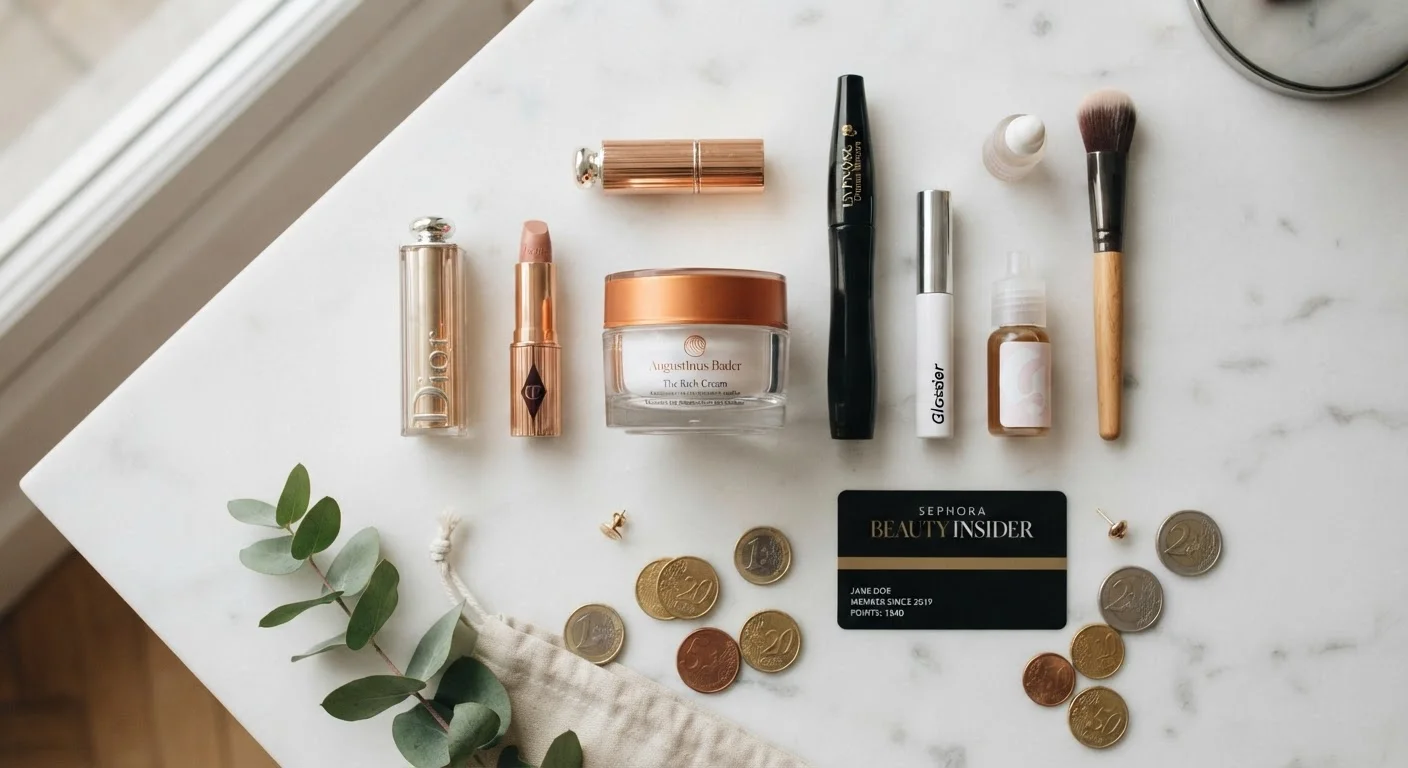
Photo: SaverSteals.com | Explore More. Shop Smarter. editorial
—— In This Article
Key Takeaways
- Points lose real value when redeemed on low-margin or regularly discounted items.
- Many shoppers let expiration dates pass unnoticed, erasing months of accumulated rewards.
- Stacking points with sale events and coupons is where the greatest savings potential lies.
- Tier-chasing spending often costs more than the elevated perks are actually worth.
- Treating points as a secondary currency - not a bonus - leads to smarter redemption decisions.
Why Points Strategies So Often Backfire
Loyalty programs are genuinely useful tools for reducing beauty spend - but most shoppers engage with them passively, earning points as a side effect of shopping rather than as part of a deliberate strategy. The result is predictable: balances grow, expiration dates pass, and the actual savings realized fall well short of what was theoretically available.
The gap between points earned and points meaningfully redeemed isn't a design flaw. It's an expected outcome of programs structured to benefit the retailer when shoppers disengage. Understanding where the friction points are is the first step to closing that gap.
~$16B
Loyalty points gone unredeemed annually in the US
Research from loyalty analytics firm Bond Brand Loyalty has consistently found that a significant proportion of earned points across retail categories - including beauty - expire unused each year.
1¢
Typical per-point redemption value at major beauty retailers
Across several major beauty loyalty programs, one point generally equates to roughly one cent in redemption value, making point-to-dollar math straightforward but easy to overlook.
If you're new to navigating these programs, a first-timer's roadmap to beauty coupons and loyalty programs provides a solid foundation before diving into optimization.
The Most Common Loyalty Mistakes - and How to Fix Them
The six mistakes below account for the majority of avoidable value loss across beauty loyalty programs. Each one is correctable with a modest shift in habits rather than a dramatic overhaul of how you shop.
Hoarding points indefinitely instead of redeeming them strategically.
Why it happens: Accumulating a large balance feels rewarding, so shoppers delay redemption waiting for a 'big' purchase that never quite arrives.
Letting points expire due to inactivity or missed calendar deadlines.
Why it happens: Expiration policies are buried in program terms and rarely surfaced by retailers until it's too late.
Redeeming points on items that are already on sale or perpetually discounted.
Why it happens: Shoppers assume any redemption is a good redemption, without calculating whether points are adding meaningful value over what a coupon or sale already provides.
Spending extra to reach the next loyalty tier without calculating the real return.
Why it happens: Tier-upgrade prompts at checkout are designed to feel urgent and achievable, making the incremental spend feel justified.
Ignoring bonus-point events and missing the highest-earn windows.
Why it happens: Most shoppers purchase on their own schedule rather than aligning with a retailer's promotional calendar.
Failing to stack loyalty points with available coupons or promo codes.
Why it happens: Shoppers assume programs prohibit stacking, or they simply don't check whether a coupon can be applied alongside a points earn.
Points Expiration Is a Silent Budget Killer
Most beauty loyalty programs quietly expire points after 6-18 months of account inactivity or on a rolling calendar basis. Unlike unused gift cards, expired points are typically non-recoverable and non-negotiable. Check your program's expiration policy in the fine print - not the marketing materials - and set calendar reminders before your balance resets to zero.
For shoppers juggling multiple programs, a year-round organization strategy can prevent the calendar-blind spots that cause most expiration losses.
Redeeming Points on Sale Items May Not Add Up
Some retailers restrict point redemptions to full-price purchases, while others allow stacking but apply points after sale discounts - reducing the dollar value of your redemption. Always verify the redemption rules at checkout before assuming your points will apply as expected. A quick look at the program's terms-and-conditions page can prevent checkout surprises.
Ultimately, the most effective approach treats loyalty points as a secondary currency with a known exchange rate - and manages them with the same attention you'd give a prepaid card balance. The habits are simple; the savings are real.

Beauty Editorial Team
Beauty Editorial Team is the collective byline for our editorial team and contributor network. Articles published under this byline or an editorial pen name are researched, written, and reviewed according to our editorial standards for clarity, consistency, and independence before publication.
View author profile