
Writing Honest, Effective Descriptions When Selling Used Toys
Clear, accurate listings build buyer trust and sell faster. Follow these proven practices for describing condition, completeness, and age suitability.
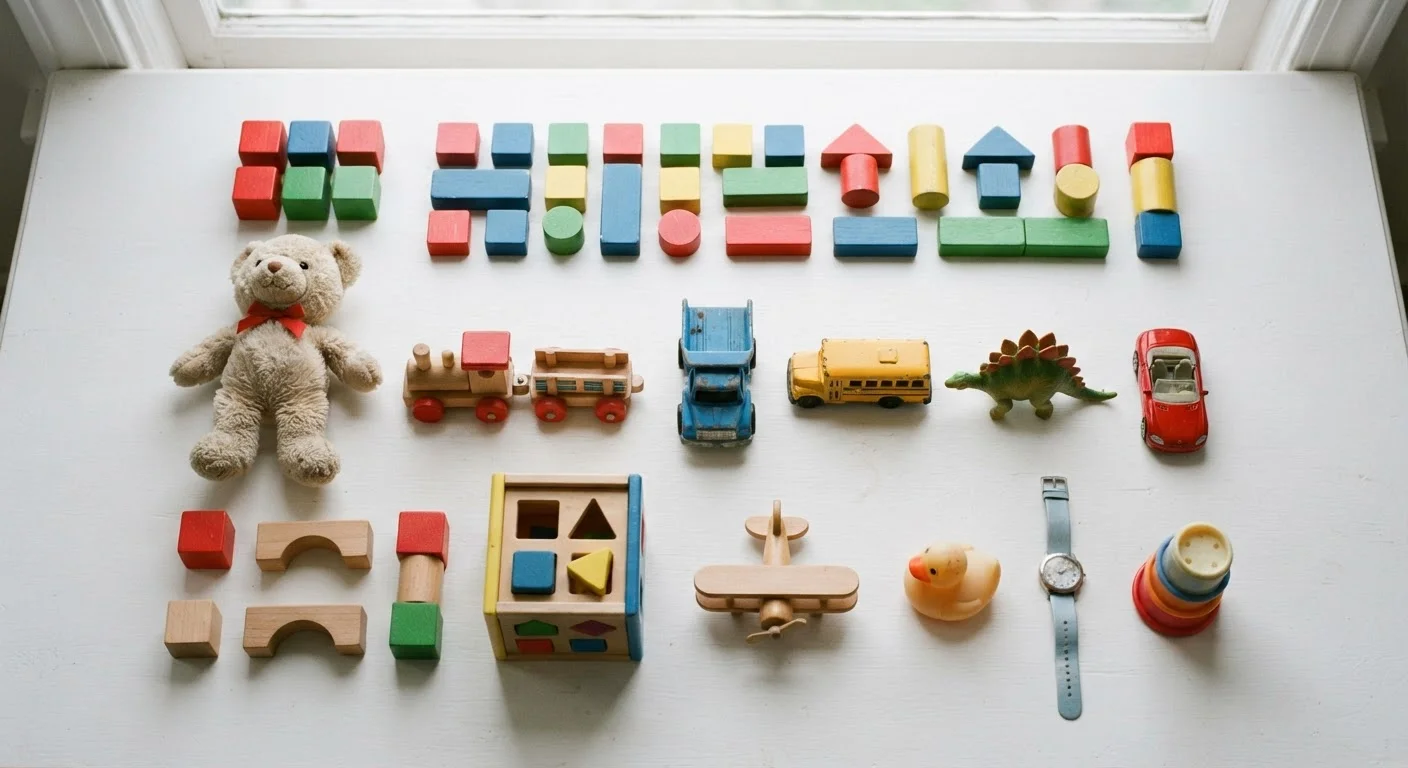
Photo: SaverSteals.com | Explore More. Shop Smarter. editorial
—— In This Article
Key Takeaways
- Accurate condition descriptions reduce disputes and build repeat buyer confidence.
- Always disclose missing parts, cosmetic flaws, and any safety-relevant damage upfront.
- Age suitability and choking-hazard warnings belong in every listing for younger children.
- Specific language outperforms vague labels like 'good condition' or 'gently used.'
- Photographs and written descriptions should tell the same consistent story.
Why Honest Descriptions Matter More Than You Think
A vague or overly optimistic listing wastes everyone's time. Buyers who receive a toy in worse shape than described leave negative feedback, request refunds, or simply stop trusting the platform. Sellers who are upfront, by contrast, tend to close sales faster because buyers feel confident enough to commit without back-and-forth questions.
The goal isn't to write the most flattering description — it's to write the most accurate one. Accuracy is what converts browsers into buyers and prevents post-sale friction. If you're new to the secondhand toy market, see our family-friendly starting point for buying used toys for context on what buyers expect to see.
Core Practices for Writing Effective Used Toy Listings
The following practices apply whether you're listing on an online marketplace or selling locally. Consistency matters: what you write should match what a buyer sees when the toy arrives or when they pick it up in person.
Describe condition using observable physical details, not evaluative labels.
Words like 'good' or 'used' mean different things to different people. Specific observations — 'light scuff on the left door panel, no cracks' — leave no room for misinterpretation and demonstrate that you've actually examined the item.
List every missing component, including small pieces and accessories.
A toy missing key parts may be functionally incomplete, and buyers deserve to know this before purchasing. Omitting missing pieces is a leading cause of disputes and negative feedback in secondhand toy sales.
Include the original age recommendation and flag any choking-hazard concerns.
Parents shopping for young children rely on age guidance to make safe choices. A toy marketed for ages 3+ may contain small parts that pose risks to toddlers; disclosing this protects buyers and reduces seller liability.
Note whether the toy has been cleaned, and describe how.
Hygiene is a legitimate concern with secondhand children's items. Buyers want to know if a toy has been wiped down, hand-washed, or run through a dishwasher-safe cycle — and what products were used, in case of sensitivities.
Align your photographs directly with your written description.
Buyers cross-reference photos and text. If you mention a scuff in the description but no photo shows it, trust erodes. If a photo reveals damage you didn't mention in text, buyers may assume you're hiding more.
Disclose the toy's history where it's relevant to safety or function.
A toy used in a home with pets, exposed to smoke, or repaired with adhesive carries context buyers may care about. Disclosing relevant history isn't a sales disadvantage — it's what separates trustworthy sellers from problematic ones.
For guidance on how condition affects price, our seller's reference guide to pricing used toys fairly pairs directly with these description practices.
Quick Actions You Can Take Before Posting
Before you write a single word, spend five minutes preparing. A little groundwork makes the description write itself — and keeps you from forgetting details that matter to buyers.
Condition Labels and What They Should Actually Mean
Vague condition labels are one of the most common sources of buyer disappointment. Terms like "gently used" or "good condition" carry no shared definition, which means buyers fill in the gaps with their own assumptions — often optimistic ones. Our companion piece explaining what 'gently used' actually means breaks this down from a buyer's perspective.
1 in 3
Secondhand buyers who report condition disappointment
Consumer research on peer-to-peer marketplaces consistently finds condition mismatches are among the top reasons buyers request returns or leave negative feedback.
5–7
Specific details buyers say build listing trust
Surveys of online secondhand shoppers suggest listings that mention at least five concrete physical details are perceived as significantly more trustworthy than those using general labels alone.
Rather than relying on labels alone, describe observable specifics: paint wear on edges, a replaced battery cover, a sticker that's been partially peeled. These details signal honesty and help buyers self-select — the right buyer for a well-loved toy will find you, rather than a buyer expecting near-mint condition.
If you're weighing where to list, the platform choice also shapes how much description detail you need. Online marketplaces versus local sales each come with different buyer expectations and inspection opportunities.
This article is for informational purposes only. Always verify age-suitability and safety compliance independently before selling or purchasing used toys for children.

Toys Editorial Team
Toys Editorial Team is the collective byline for our editorial team and contributor network. Articles published under this byline or an editorial pen name are researched, written, and reviewed according to our editorial standards for clarity, consistency, and independence before publication.
View author profile