
Cleaning and Sanitising Used Toys Without Damaging Them
Different toy materials need different cleaning approaches. Learn safe, effective methods for plastic, fabric, wooden, and electronic secondhand toys.
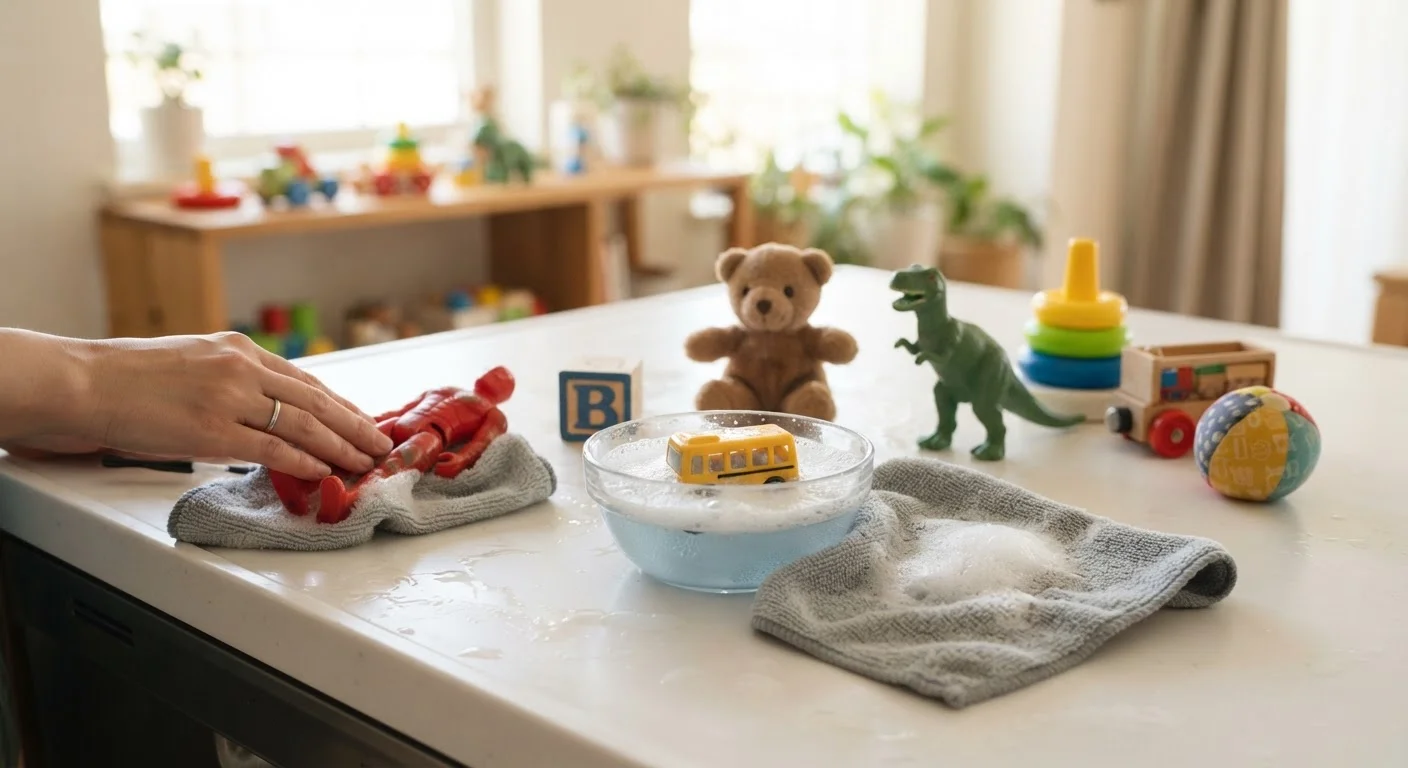
Photo: SaverSteals.com | Explore More. Shop Smarter. editorial
—— In This Article
Key Takeaways
- Match your cleaning method to the toy's material — one approach does not fit all.
- Avoid soaking wooden toys or submerging electronics; moisture causes lasting damage.
- Diluted dish soap and warm water handle most hard plastic toys safely and effectively.
- Fabric toys are often machine washable, but always check tags and seams before washing.
- Disinfecting is a second step after cleaning — sanitisers work poorly on visibly dirty surfaces.
- Air drying is safer than heat drying for most toy materials, especially wood and fabric.
Why Cleaning Method Matters as Much as Cleaning Itself
Used toys can carry surface bacteria, dust, and residues from previous households. The instinct to clean them thoroughly is sound — but the wrong method can degrade materials, strip paint, warp wood, or permanently damage electronics. Understanding what you're working with upfront saves both the toy and your time.
If you're newer to evaluating secondhand toys before you even bring them home, our guide for first-time secondhand toy buyers covers what to inspect at the point of purchase. Cleaning is step two — run a safety inspection first to confirm the toy is worth keeping before you invest the effort.
It also helps to know how different toy materials hold up over time. Older and newer toy materials age very differently, and that affects both how you clean them and whether they're worth cleaning at all.
What you will need
Tools and Supplies You'll Need
You don't need specialty products — most effective toy-cleaning supplies are already in a typical household. The key is using the right concentration and application method for each material. Gather your supplies before sorting, so you can move through each category without interruption.
Soft-bristle toothbrush
Scrubs dirt from crevices, textured surfaces, and joints without scratching.
Isopropyl alcohol (70%)
Disinfects hard, non-porous surfaces after cleaning without requiring rinsing on quick-dry applications.
Mesh laundry bag
Protects small plush toys and fabric items from tangling or seam damage in the washing machine.
Microfiber cloths
Wipe down surfaces without leaving lint or scratching painted or varnished finishes.
White vinegar (distilled)
Acts as a mild natural disinfectant and deodorizer suitable for many toy surfaces.
Step-by-Step Cleaning Instructions
Work through each toy type systematically. Cleaning before disinfecting is not optional — disinfectants are significantly less effective on dirty surfaces because organic matter neutralizes their active ingredients.
Sort toys by material before you start
Group your secondhand haul into four categories: hard plastic, fabric or plush, wood, and battery-powered or electronic. This prevents you from accidentally applying the wrong method — a common source of damage. If a toy combines materials (say, a wooden handle with a plastic rattle), treat it according to the most delicate material present.
Clean hard plastic toys with soapy water
Mix a few drops of mild dish soap into a bowl of warm water. Use a cloth or sponge to wipe down all surfaces, working a soft-bristle toothbrush into grooves and joints. Rinse with a clean damp cloth — don't submerge toys that have stickers, paint details, or internal moving parts, as water can seep inside and cause warping or mold.
Disinfect plastic surfaces once they are clean
Cleaning removes visible dirt; disinfecting reduces microbial load. After the toy is clean and dry, wipe hard plastic surfaces with a cloth dampened with 70% isopropyl alcohol, or a 1:1 dilution of white vinegar in water. Let the surface air dry completely — the contact time matters for effectiveness, so don't wipe it off immediately.
Wash fabric and plush toys carefully
Check any care tags first. Most modern plush toys tolerate a gentle machine-wash cycle in cold water inside a mesh laundry bag. Older, delicate, or heavily embellished fabric toys (with glued eyes, wire armatures, or hand-sewn seams) should be spot-cleaned with a damp cloth and mild soap instead. Squeeze — don't wring — excess water from hand-washed items.
Clean wooden toys with minimal moisture
Wood and water are a poor combination over time. Dampen a cloth with a mild soap solution — not dripping wet — and wipe down the surface. Immediately follow with a dry cloth to remove any remaining moisture. Never submerge wooden toys or leave them wet. Once dry, you can apply a small amount of food-grade mineral oil to unfinished or dry-looking wood to restore the surface.
Wipe down electronic and battery-powered toys safely
Remove batteries before cleaning — always. Use a cloth barely dampened with soapy water to wipe exterior plastic casings, then follow with a dry cloth. Use cotton swabs moistened with isopropyl alcohol to clean around buttons, speaker grilles, and battery compartment contacts. Check the compartment for corrosion (white or greenish residue); if present, clean contacts gently with a cotton swab dipped in vinegar, then dry thoroughly.
Allow complete drying before returning toys to use
Place cleaned toys in a well-ventilated area or near a fan. Hard plastic typically dries within an hour; wooden toys and plush items need longer — several hours or overnight in some cases. Do not pack toys away while still damp, as enclosed spaces accelerate mold growth. Reinstall batteries only after the battery compartment is fully dry.
Cleaning Secondhand Clothing Uses Similar Logic
If you're also buying used clothing for kids, the material-first approach applies there too. Our guide to washing secondhand clothing covers fabric types, temperatures, and when professional cleaning makes sense.
Common Mistakes and What to Do Instead
The most frequent error families make is over-wetting. Soaking any toy — even hard plastic — risks water intrusion into joints, motors, or internal cavities where mold can establish itself invisibly. A damp cloth is almost always sufficient.
Bleach solutions are another common misstep. While diluted bleach (typically 1 tablespoon per gallon of water) is sometimes referenced for sanitizing, it can discolor fabric, degrade rubber, and leave residues that are unsuitable for toys young children mouth. Stick with dish soap for cleaning and alcohol or vinegar for disinfecting unless you have a specific reason to escalate.
Finally, don't skip the dry time. Mold on fabric toys in particular can develop within 24–48 hours in humid conditions. This cleaning process is part of the broader lifecycle of secondhand toy ownership — for more on that full picture, see the complete secondhand toy lifecycle guide.
Recalled Toys Should Not Be Cleaned and Kept
Cleaning a toy does not resolve a safety recall. If a toy has been recalled due to a structural, chemical, or choking hazard, it should not be used regardless of how well it has been sanitized. Check recall databases maintained by the U.S. Consumer Product Safety Commission (CPSC) before investing time in cleaning any used toy.

Toys Editorial Team
Toys Editorial Team is the collective byline for our editorial team and contributor network. Articles published under this byline or an editorial pen name are researched, written, and reviewed according to our editorial standards for clarity, consistency, and independence before publication.
View author profile