
Safety Checks Every Family Should Run on a Used Toy
A practical checklist for inspecting secondhand toys for recalls, choking hazards, sharp edges, and worn-out parts before they reach little hands.
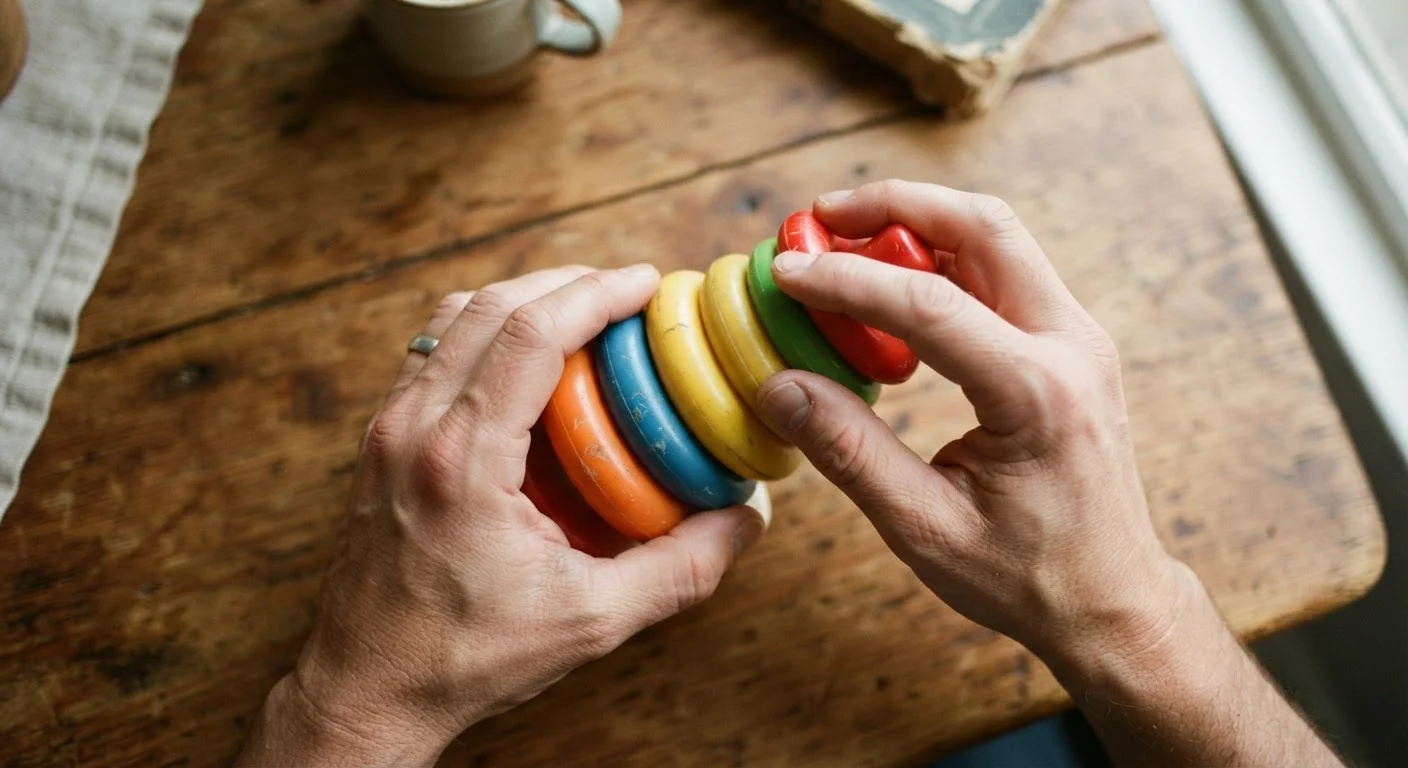
Photo: SaverSteals.com | Explore More. Shop Smarter. editorial
—— In This Article
Key Takeaways
- Check every used toy against federal recall databases before it enters your home.
- Age-grading and choking-hazard warnings on secondhand toys may be missing — verify them independently.
- Worn finishes, broken fasteners, and loose small parts are the most common hazards in used toys.
- Soft toys and foam items require extra scrutiny for mold, odor, and fiber breakdown.
- Battery compartments and electronic components need a separate check for corrosion and exposed wiring.
- When in doubt, discard — a toy that fails inspection is not worth the risk.
Why Used Toys Deserve a Structured Inspection
Secondhand toys can stretch a family's budget significantly, but the savings only make sense if the toy is genuinely safe. Unlike new products, used toys have an unknown history — previous owners may not have followed age guidelines, assembly may be incomplete, and critical warning labels are often missing or worn off.
The inspection process described here is grounded in the kinds of hazards flagged most frequently by the Consumer Product Safety Commission (CPSC) and pediatric safety organizations: sharp edges from broken parts, small components that become choking hazards through wear, toxic surface finishes, and toys subject to active recalls that continue circulating in secondhand markets. For a broader look at the trade-offs involved, see The Real Trade-Offs of Buying Secondhand Toys for Children.
Work through the checklist below in good lighting, ideally at a table. Bring a small flashlight for recessed areas and a ruler for measuring small parts.
Small-parts tester
Measures whether detached toy components pose a choking risk for children under three.
Flashlight or headlamp
Illuminates recessed battery compartments, seams, and interior spaces that are hard to see in ambient light.
CPSC recall database (recalls.gov)
Allows you to search by product name or manufacturer to confirm whether a toy has an active or historical recall.
Lead test swabs
Provides a quick field check for lead content in paint on older or unbranded toys with peeling finishes.
Ruler or measuring tape
Helps verify cord lengths and opening dimensions against established safety thresholds.
The Inspection Checklist
Run every used toy through all applicable groups below before allowing a child to handle it. Items marked must are non-negotiable; skip them and the inspection is incomplete.
Recall and Registration Check
Age Grading and Labeling
Structural Integrity
Small Parts and Choking Hazards
Surface Finish and Materials
Soft Toys and Fabric Items
Battery-Powered and Electronic Toys
Older Toys and Lead Paint Risk
Toys manufactured before 1978 carry a meaningful risk of lead-based paint, and that risk extends to any toy whose country of origin or manufacture date is unknown. Peeling or chipping paint on older items should be treated as a presumptive hazard. If you cannot verify manufacture date and paint integrity, the cautious approach is to discard the toy rather than test and repair.
Once a toy passes this checklist, sanitizing is your next step. Different materials need different approaches — Cleaning and Sanitising Used Toys Without Damaging Them walks through safe methods for plastic, fabric, wood, and electronics without causing damage.
If you're also evaluating new discounted toys alongside secondhand finds, Before You Buy a Discounted Toy: A Pre-Purchase Checklist covers age suitability, safety marks, and price history checks that apply specifically to retail purchases.
What to Do If a Toy Fails Inspection
A toy that fails any must item should not be passed to a child. Depending on the failure, you have a few options:
- Recall confirmed: Do not donate or resell. Dispose of it or contact the manufacturer — some recall notices include instructions for returning the product for a refund or replacement part. For guidance on how recall systems work and where to search, see Toy Recalls and Secondhand Markets: What Buyers Need to Know.
- Repairable damage: If a fastener is missing and a replacement is readily available, assess whether the repair restores the toy to a genuinely safe condition — not just a passable appearance. Only proceed if you're confident in the fix.
- Unresolvable hazard: Discard the toy in a way that prevents another child from accessing it (cut cords, break the toy down if possible before bagging).
Reporting a recalled toy found in a secondhand listing to the platform and to the CPSC takes only a few minutes and prevents other families from making the same purchase. It's a straightforward step worth taking.
Never Donate or Resell a Recalled Toy
Passing on a recalled toy — even with good intentions — transfers a known safety hazard to another family. Recalled toys should be rendered unusable before disposal. Check recalls.gov to see whether the manufacturer has a return or replacement program in place before discarding, as some recalls include compensation for consumers.

Toys Editorial Team
Toys Editorial Team is the collective byline for our editorial team and contributor network. Articles published under this byline or an editorial pen name are researched, written, and reviewed according to our editorial standards for clarity, consistency, and independence before publication.
View author profile