
Setting Up Price Drop Alerts for Tools: A Step-by-Step Walkthrough
Price tracking tools let you monitor specific products over time rather than guessing when to buy. Here's how to configure them effectively.
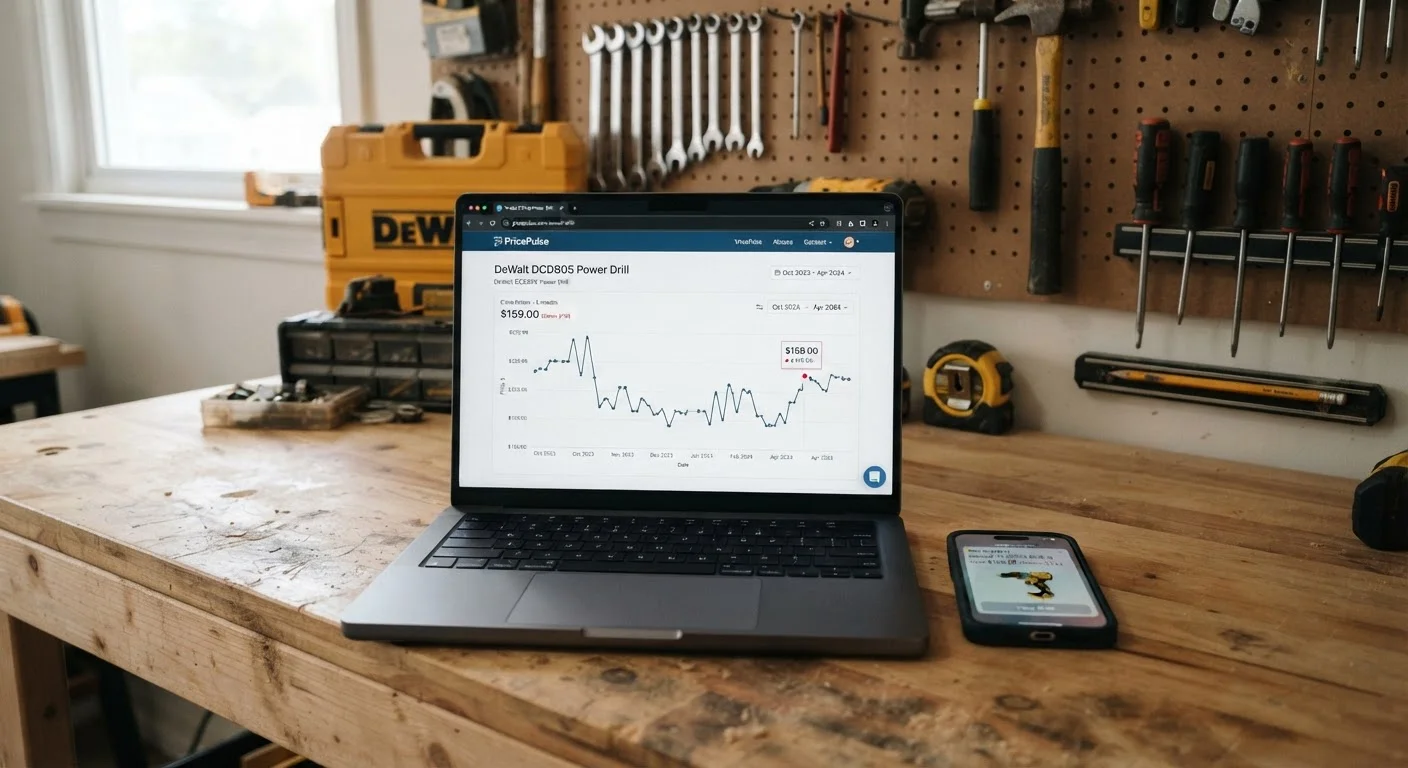
Photo: SaverSteals.com | Explore More. Shop Smarter. editorial
—— In This Article
Key Takeaways
- Price tracking services monitor product pages automatically and notify you when a threshold is met.
- Setting a realistic target price — not just the lowest ever — leads to more actionable alerts.
- Browser extensions can track prices passively while you shop without requiring a separate sign-up.
- Alerts work best when paired with an understanding of a product's typical price history.
- Some trackers pull data from multiple retailers, while others are limited to a single platform.
Why Price Alerts Are Worth the Setup Time
Checking a product page repeatedly by hand is inefficient, and most people abandon the habit within a few days. Price tracking software does the monitoring automatically — it polls the product listing at regular intervals and sends you a notification when the price crosses your threshold. You set it once and step away.
For tools specifically, this matters because markdowns don't follow a simple weekly rhythm. A corded drill or impact driver might sit at full price for two months, then drop sharply around a holiday weekend or when a retailer clears seasonal inventory. Without a tracker, you'd either have to check constantly or stumble onto the sale by luck. The year-round approach to reducing tool costs incorporates price alerts as one layer of a broader strategy — they're most effective when you already know roughly what price you're willing to pay.
Price tracking isn't exclusive to tools. The same logic applies across categories — see how electronics price trackers work and what to expect for a useful comparison of how these services perform on a different product type.
Layer Alerts with a Sale Calendar
Price alerts catch unexpected drops year-round, but pairing them with seasonal patterns sharpens your strategy. See our tool sales calendar guide to understand when hardware retailers historically mark down specific categories — then set tighter alert thresholds during those windows.
What to Know Before You Start
Price trackers are not perfect. They pull data from the retailer's public product page, which means they can be confused by dynamic pricing, seller changes, or promotional bundles that inflate or deflate the listed figure without reflecting a true change in the item's value. Understanding these limitations keeps you from acting on misleading alerts.
Coverage also varies by service. Some trackers work primarily with major national retailers; others have broader reach but shallower price history on less common items. If you're tracking a niche tool — a specialty router bit set or a specific torque wrench model — check whether the service actually has historical data for that listing before relying on it.
Separately, if you're open to secondhand options, buying used tools often sidesteps the price-tracking process altogether since resale pricing fluctuates on different platforms and timelines.
What you will need
Browser price-tracking extension
Passively monitors product pages you visit and overlays price history data directly in your browser.
Standalone price-tracking website
Lets you paste a product URL, view historical price charts, and configure email alerts without a browser extension.
Dedicated email inbox or filter
Keeps price alert notifications organized and separate from general email so you notice them promptly.
Following the Steps and Managing Alerts Over Time
The six steps above cover the full setup process from finding the right URL through acting on a live alert. The most important habits to build after the initial setup are periodic maintenance and skeptical verification.
Alerts accumulate. After a few months of tracking tools you were considering, you may have a list of a dozen or more items. Prune it regularly — remove anything you've already purchased, anything you're no longer interested in, and any listings that have gone stale (discontinued SKUs, out-of-stock items with no restock in sight). A cluttered alerts list dilutes your attention when a genuinely useful notification arrives.
For shoppers who use this approach across multiple categories, the behavioral shift can be significant. The shift from reactive to deliberate shopping that price alerts enable in sports gear applies equally here — you stop browsing impulsively and start acting on data.
Verify the Actual Price Before Acting
Price trackers can misread promotional bundles, open-box listings, or third-party seller prices as genuine drops on the primary item. Always check the retailer's product page directly when you receive an alert. Confirm that the price applies to the exact configuration — size, voltage, kit contents — you intended to buy.
Alerts Don't Guarantee Stock Availability
A price drop notification is triggered when the tracked price changes, not when the item is confirmed in stock. High-demand tools can sell out quickly after a markdown. Treat every alert as a prompt to check the listing immediately, not a guaranteed purchasing opportunity.

Tools Editorial Team
Tools Editorial Team is the collective byline for our editorial team and contributor network. Articles published under this byline or an editorial pen name are researched, written, and reviewed according to our editorial standards for clarity, consistency, and independence before publication.
View author profile