
Condition Grading in the Secondhand Sports Market: What Labels Actually Mean
Terms like 'good condition' and 'lightly used' mean different things to different sellers. Here's a practical reference for decoding listings accurately.
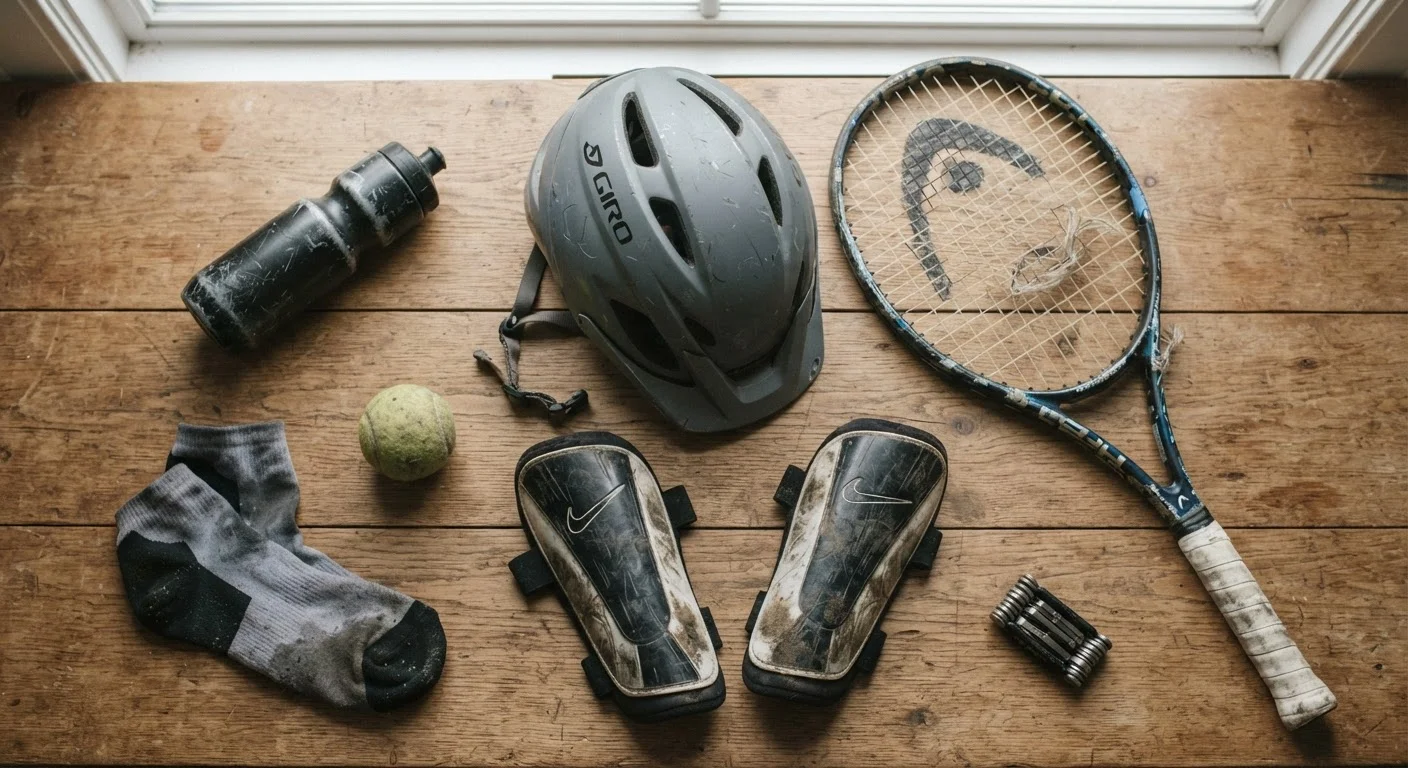
Photo: SaverSteals.com | Explore More. Shop Smarter. editorial
—— In This Article
Why Condition Labels Vary So Much
Unlike graded collectibles or certified pre-owned vehicles, the secondhand sports equipment market has no enforced grading standard. A seller on a peer-to-peer marketplace sets their own definitions. "Good condition" to one person means fully functional with visible scuffs; to another it means near-pristine. This gap between expectation and reality is one of the most common sources of buyer frustration.
Platform context matters too. Resale apps used for casual gear sales use informal language. Specialty cycling or ski forums tend to use more precise community conventions. Understanding both helps you read any listing accurately. For a broader look at how the used sports market operates, see how the secondhand sports gear market works.
NIB (New in Box)
An item that has never been used and retains its original, unopened packaging. Sellers should be able to confirm no seals have been broken.
Like New / Mint
Used minimally — typically once or twice — with no detectable wear. Should be fully functional and cosmetically near-perfect.
Excellent / Lightly Used
Shows only minor cosmetic wear from limited use. All functional components operate as intended. Often represents the strongest value in secondhand listings.
Good / Used
Reflects regular use with moderate cosmetic wear. Item is functional but will show scratches, fading, or minor surface damage.
Fair / Acceptable
Heavier wear consistent with extended use. May include minor repairs. Usable with caveats; requires careful inspection before use in safety-relevant applications.
For Parts
Listed in a non-functional or heavily damaged state, intended for repair or component salvage only. Not suitable for direct use as listed.
Decoding the Most Common Condition Terms
The terms below appear across most platforms. Treat each as a starting point for asking follow-up questions, not a final verdict.
| Platforms with standardized grading | Few — most use informal, self-defined labels |
| Most disputed condition term | "Good" — meaning varies widely by seller |
| Highest-risk category for vague grading | Safety-critical gear (helmets, harnesses, pads) |
| Best value condition tier (general consensus) | Excellent / Lightly Used |
| Key question to ask any seller | Has the item ever been in a significant impact or accident? |
New / New in Box (NIB): Unused, original packaging intact. Verify whether any seals or tags have been broken. Some sellers list lightly tested gear as "new," so always ask.
Like New / Mint: Used once or twice, no visible wear. Expect full functionality. Photos should show no scuffs, creases, or odor mentions.
Excellent / Lightly Used: Minor cosmetic wear only — small surface scratches, faint dirt marks. All mechanical or structural components should work without issue. This is often the sweet spot for value.
Good / Used: Moderate wear that is consistent with regular use. Functional, but expect visible scratches, fading, or minor dents. Request close-up photos of high-stress points (joints, buckles, edges).
Fair / Acceptable: Heavier wear, possibly with repaired or patched areas. Usable but not aesthetically clean. Appropriate for training purposes when safety is not a factor, but inspect carefully if the item is protective gear.
Poor / For Parts: Primarily listed for salvage. Not recommended for use in its listed state. Only consider if you have the skills to assess or repair it.
For comparison, the same terminology landscape exists in apparel — secondhand clothing condition labels follow similar patterns but with some category-specific differences.
Safety-Critical Gear Requires Extra Scrutiny
Condition grading becomes significantly more consequential when the item is designed to protect the body. Helmets, harnesses, life jackets, and protective padding all have structural limits that are not visible to the naked eye.
Helmet Safety: One Impact Changes Everything
Most helmet safety standards — including those from the Consumer Product Safety Commission (CPSC) — are based on single-impact protection. Once a helmet has absorbed a significant collision, its foam liner may be compromised even if the shell looks intact. No condition label can substitute for verified impact history when evaluating a used helmet. When in doubt, the cost of a new helmet is typically lower than the cost of a preventable injury.
For helmets specifically, most manufacturers and safety organizations advise retiring a helmet after any significant impact, regardless of visible damage. A listing may truthfully say "no visible cracks" while omitting that the item was in a collision. Always ask the seller directly about impact history for any protective gear.
Harnesses used in climbing or sailing degrade with UV exposure and load cycles over time — degradation that doesn't always look obvious. Check for manufacturing date stamps where present, and research the expected service life for the specific item type before purchasing.
The full inspection process for secondhand gear — including what to test before finalizing a purchase — is covered in depth in the full lifecycle of secondhand sports equipment.
Questions That Replace Vague Labels
Rather than relying on a seller's chosen label, use targeted questions to gather the information that actually matters:
- How many hours or seasons was it used? Time and intensity are more informative than a subjective grade.
- Has it been repaired or modified? Repairs are not disqualifying, but undisclosed ones are a red flag.
- Can you share additional photos of ? Ask for the wear points relevant to the item type — wheel rims, binding plates, racket frames, boot buckles.
- What is the reason for selling? Answers can reveal whether the gear was outgrown, upgraded from, or retired due to a problem.
- Does it come with original accessories or documentation? Missing parts affect both functionality and resale value.
Condition grading intersects with pricing, and understanding both together gives you the clearest picture. Reading markdown and pricing labels on sports gear is a useful companion reference for that side of the equation.

Sports Editorial Team
Sports Editorial Team is the collective byline for our editorial team and contributor network. Articles published under this byline or an editorial pen name are researched, written, and reviewed according to our editorial standards for clarity, consistency, and independence before publication.
View author profile