
The Myths Around Sports Gear Pricing That Cost Shoppers Money
From 'pro gear always outperforms entry-level' to 'sales events always mean real savings', these common beliefs deserve closer scrutiny.
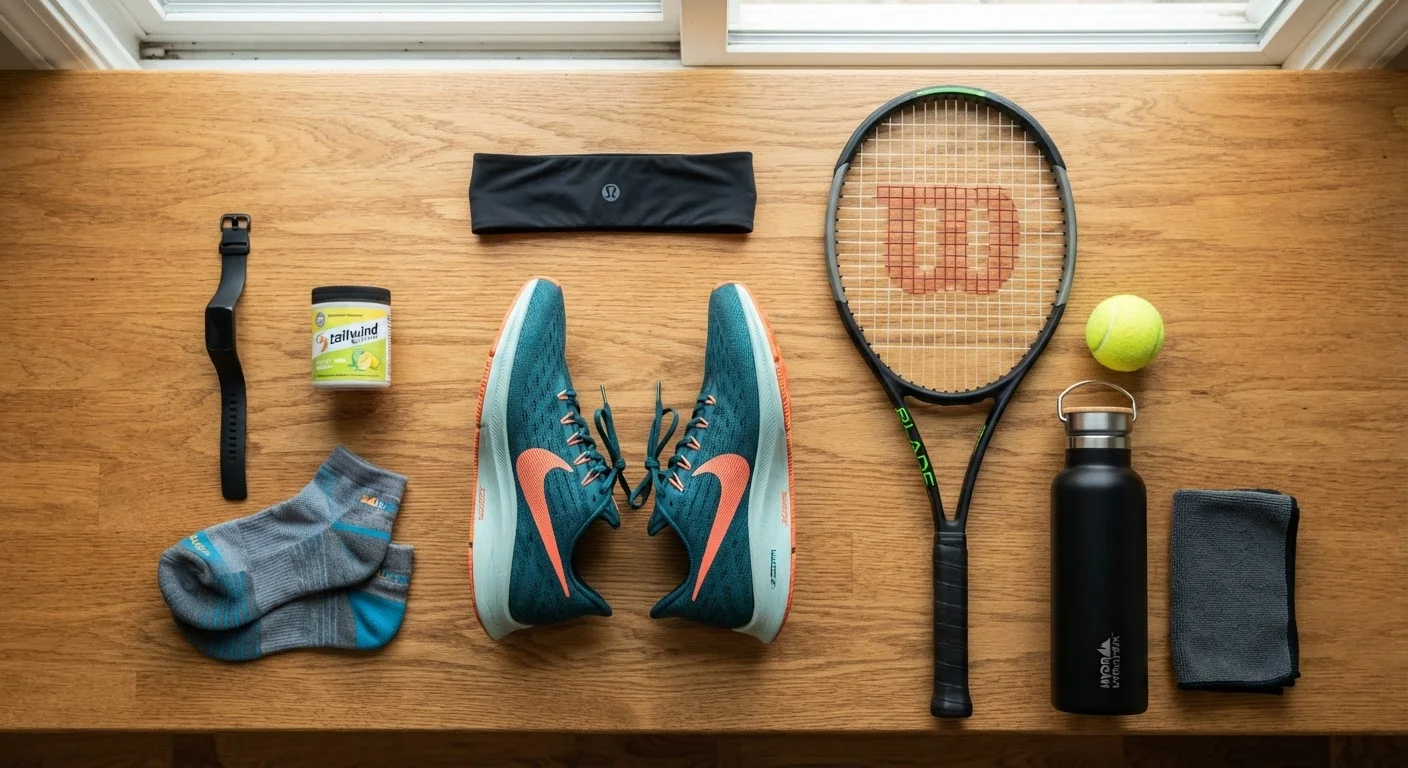
Photo: SaverSteals.com | Explore More. Shop Smarter. editorial
—— In This Article
Key Takeaways
- Pro-level gear rarely improves performance for recreational athletes, and entry-level options often meet the same functional standards.
- Sale events like Black Friday don't guarantee sports gear hits its lowest annual price — off-season windows often beat them.
- Used equipment from reputable sources can be safe and functional, but hidden costs can erode savings if you don't look carefully.
- Higher price tags in sports retail don't reliably signal better durability or performance for everyday use.
Why Sports Gear Myths Are Expensive to Believe
Sports gear is a category where marketing vocabulary — "performance-grade," "pro-spec," "limited release" — lands especially hard on shoppers. The result is a set of widely held beliefs about pricing that, when examined against actual retail patterns, don't hold up. Believing them often means spending more without getting more in return.
If you've ever waited for a major sale event expecting the lowest price of the year, or assumed the most expensive option was automatically the safest choice for used gear, you've already encountered these myths firsthand. The patterns behind overspending on gear often trace back to exactly these assumptions.
Myth
Major sale events like Black Friday always offer the lowest prices on sports gear.
Fact
End-of-season and off-season sales frequently produce lower prices than high-profile shopping events.
Black Friday and similar events generate significant marketing activity, but sports gear pricing doesn't consistently hit its floor during those windows. Retailers often use those periods for modest discounts on in-demand items. By contrast, the weeks following a season's peak — ski gear in March, camping equipment in September — tend to produce steeper clearance markdowns because retailers need shelf space for the next cycle. Tracking prices over several weeks rather than reacting to a single event date gives a more accurate picture of what "low" actually looks like for a given product category.
Myth
Pro-level gear will meaningfully improve performance for recreational athletes.
Fact
For most recreational uses, entry-level or mid-tier equipment meets functional requirements without the premium cost.
Professional-grade gear is engineered around marginal performance gains that matter at elite competition levels — differences that recreational athletes are unlikely to notice or benefit from. A beginner cyclist, casual runner, or weekend tennis player typically can't extract the incremental advantage built into top-tier equipment. Entry-level and mid-range options from reputable product lines are designed to handle the demands of regular, non-competitive use. Paying for pro-spec features that require elite technique to utilize is a straightforward way to overspend without any practical return.
Myth
A higher price tag on used gear signals better quality and fewer hidden problems.
Fact
Price on secondhand listings reflects many factors beyond actual condition, and higher cost does not guarantee better shape.
In secondhand markets, sellers set prices based on original retail cost, perceived brand prestige, cosmetic appearance, and personal attachment — not necessarily on functional condition or remaining useful life. A high-priced used item may have logged significant wear, require servicing, or have worn-out components not visible in listing photos. Inspecting specific wear points, asking for maintenance history, and researching what replacement parts cost are more reliable quality signals than the asking price alone. The used sports equipment marketplace rewards informed buyers, not those who equate cost with condition.
Myth
Buying at full price in-season guarantees you're getting the current model with the best specs.
Fact
"Current" models often share core components with prior versions; spec changes between model years are frequently minor.
Annual product refreshes in sports gear are often cosmetic or involve incremental specification tweaks rather than meaningful redesigns. Buying last season's model at a clearance price often means getting nearly identical performance at a substantially lower cost. This is particularly well-documented in footwear and cycling components, where structural updates happen on longer cycles than annual releases suggest. Checking whether a discounted prior-year model differs in any functionally meaningful way — not just colorway or branding — is a reliable step before paying full in-season price.
Myth
Clearance labels always mean you're seeing the lowest price a retailer will offer.
Fact
Clearance pricing is a starting point for markdowns, not necessarily the final or lowest available price.
Retailers apply clearance designations when items need to move, but initial clearance prices are often set conservatively. As inventory lingers, additional markdowns follow. Shoppers who buy at first clearance sometimes find the same item discounted further weeks later. This pattern — well-documented in apparel retail and observed similarly in sporting goods — means patience can pay off for non-urgent purchases. The same dynamic applies across categories, as noted in analyses of furniture pricing myths and discounted electronics assumptions.
How Sports Gear Pricing Actually Works
Retail pricing in sports equipment follows predictable cycles that most shoppers don't track. Seasonal demand drives prices up before and during peak participation months — think running shoes in spring, ski gear in November, and cycling equipment in early summer. Once those windows close, retailers need to move inventory, which is when genuine markdowns tend to appear.
The off-season pricing cycle is one of the most documented and reliable ways to reduce gear costs, yet it's often overlooked because it requires buying ahead of the season rather than in the middle of it.
30–50%
Typical off-season markdown range for seasonal sports gear
Retail analysts tracking sporting goods inventory cycles consistently observe end-of-season clearance discounts in this range once peak-season demand subsides.
~60%
Recreational athletes who report not using advanced gear features
Consumer research in sports retail suggests the majority of non-competitive buyers don't utilize the performance-differentiating features that justify pro-tier pricing.
Used gear adds another layer. The true cost of secondhand sports equipment includes servicing, replacement parts, and shipping — expenses that don't appear in the listing price but can close the gap between used and new. Understanding where the myths are lets you focus on the strategies that actually move the needle on your gear budget.
This article is for informational purposes only. Pricing patterns described reflect general retail trends and may vary by retailer, region, and market conditions.

Sports Editorial Team
Sports Editorial Team is the collective byline for our editorial team and contributor network. Articles published under this byline or an editorial pen name are researched, written, and reviewed according to our editorial standards for clarity, consistency, and independence before publication.
View author profile