
Auto-Ship Subscriptions for Pet Supplies: The Advantages and the Catches
Auto-ship programmes promise convenience and savings, but they come with trade-offs. Here's a balanced look at what you gain and what you give up.
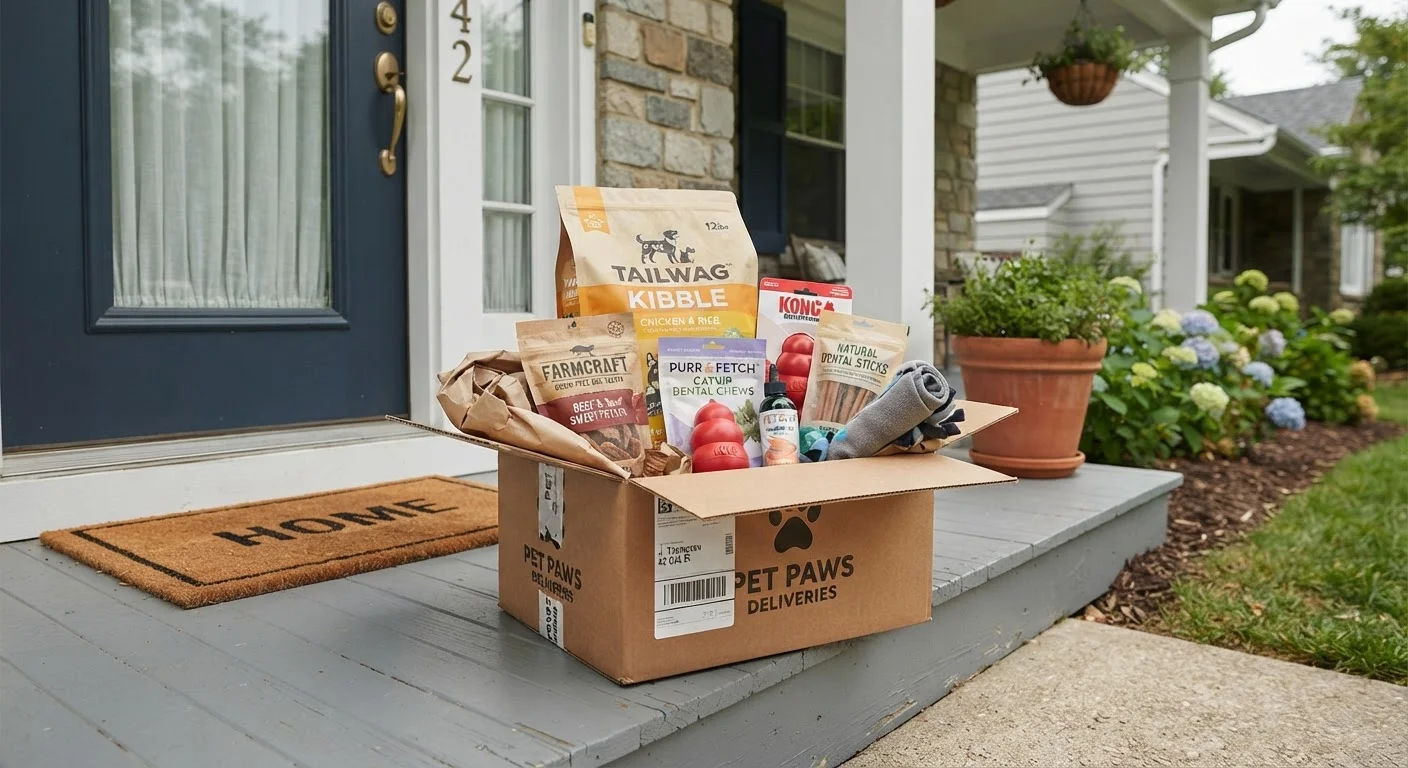
Photo: SaverSteals.com | Explore More. Shop Smarter. editorial
—— In This Article
Key Takeaways
- Auto-ship subscriptions typically offer a percentage discount on recurring orders, but savings vary by retailer and product.
- Convenience is the strongest argument for auto-ship — supplies arrive without reordering effort.
- Flexibility to pause, adjust, or cancel is critical; not all programmes offer equal control.
- Pet dietary needs can change, making locked-in recurring orders a potential waste of money.
- Comparing auto-ship pricing against in-store and bulk alternatives is the only way to confirm real savings.
Percentage discount on every recurring order
Most auto-ship programmes apply a standing discount — often 5–15% — compared to one-time purchase pricing, which adds up meaningfully on high-frequency consumables like food and litter.
Eliminates repetitive reordering effort
Once configured, the programme handles replenishment automatically, removing a recurring task from a pet owner's mental load.
Partial protection against short-term price spikes
A locked-in subscription rate offers some insulation from temporary price increases, though base price changes by the retailer will still affect what you pay.
Flexible scheduling on most platforms
Many programmes allow subscribers to adjust delivery frequency, skip a shipment, or swap products without cancelling entirely — giving meaningful control when managed actively.
Stock surplus if frequency is misjudged
Setting deliveries too close together — or failing to pause when consumption drops — leads to product pile-up that can spoil before use, negating any discount benefit.
Price is not always the lowest available
Periodic sales events, retailer loyalty rewards, and bulk purchasing can sometimes offer lower per-unit costs than the standing subscription discount.
Diet changes make subscriptions inflexible
Vets frequently recommend food changes due to age, weight, or health conditions. A recurring order of a formula your pet can no longer eat is a direct financial loss.
Cancellation friction varies by platform
Some programmes require advance notice of several days before the next shipment, and cancellation steps are not always prominently displayed, making it easy to miss a billing cycle.
Base price increases flow through automatically
Retailers can raise the underlying product price at any time; since the subscription discount is applied as a percentage of the current price, subscribers may not notice gradual cost creep.
How Auto-Ship Programmes Actually Work
Auto-ship (also called subscribe-and-save or recurring delivery) is a fulfilment model where a retailer automatically ships a selected product on a set schedule — typically every 4, 6, or 8 weeks — and charges your payment method accordingly. In exchange for committing to repeat purchases, most programmes offer a discount, commonly ranging from 5% to 15% off the listed price, though the exact amount depends on the retailer and the specific product.
Enrolment is usually frictionless: you choose the item, set the delivery frequency, and the rest runs on autopilot. Cancellation policies vary considerably — some programmes allow cancellation at any time before the next shipment, while others require advance notice or have minimum order requirements.
For a fuller cost comparison against shopping in person, see what the numbers actually show for subscription vs. in-store pet food.
The Real Advantages
Percentage discount on every recurring order
Most auto-ship programmes apply a standing discount — often 5–15% — compared to one-time purchase pricing, which adds up meaningfully on high-frequency consumables like food and litter.
Eliminates repetitive reordering effort
Once configured, the programme handles replenishment automatically, removing a recurring task from a pet owner's mental load.
Partial protection against short-term price spikes
A locked-in subscription rate offers some insulation from temporary price increases, though base price changes by the retailer will still affect what you pay.
Flexible scheduling on most platforms
Many programmes allow subscribers to adjust delivery frequency, skip a shipment, or swap products without cancelling entirely — giving meaningful control when managed actively.
Beyond the discount, the most underrated benefit is cognitive offload. Remembering to reorder food, litter, or flea prevention adds low-level mental overhead that compounds across a multi-pet household. Auto-ship eliminates that friction entirely. Pet owners managing multiple animals may find this especially valuable — a topic explored in our guide on managing supply costs across multiple pets.
Subscriptions also provide a degree of price stability. If you lock in a discounted rate, you're partially shielded from short-term price fluctuations on that item — though retailers can and do adjust base prices, which flows through to your subscription cost.
The Catches Worth Knowing
Stock surplus if frequency is misjudged
Setting deliveries too close together — or failing to pause when consumption drops — leads to product pile-up that can spoil before use, negating any discount benefit.
Price is not always the lowest available
Periodic sales events, retailer loyalty rewards, and bulk purchasing can sometimes offer lower per-unit costs than the standing subscription discount.
Diet changes make subscriptions inflexible
Vets frequently recommend food changes due to age, weight, or health conditions. A recurring order of a formula your pet can no longer eat is a direct financial loss.
Cancellation friction varies by platform
Some programmes require advance notice of several days before the next shipment, and cancellation steps are not always prominently displayed, making it easy to miss a billing cycle.
Base price increases flow through automatically
Retailers can raise the underlying product price at any time; since the subscription discount is applied as a percentage of the current price, subscribers may not notice gradual cost creep.
The core risk with any auto-ship arrangement is accumulation. If your delivery cadence is set too frequently — or your pet's consumption slows due to illness, a diet change, or seasonal variation — you can end up with a garage full of food approaching its expiry date. Wasted product erases any discount benefit quickly.
It's also worth stress-testing whether the subscription price is genuinely the lowest available. Periodic sales, loyalty programme rewards, and bulk purchasing can sometimes undercut auto-ship rates. Our article on bulk buying pet supplies without waste walks through how to weigh that comparison without overcommitting to stock.
Finally, consider the broader picture of your pet supply strategy. Auto-ship is one tool among several — see how pet owners stretch their supply budget for a wider range of approaches that can work alongside or instead of subscriptions.
How to Use Auto-Ship Without Getting Burned
Adjusting Frequency Is Often Underused
Most auto-ship platforms allow subscribers to modify delivery intervals at any time, yet many users leave the default cadence unchanged after the first order. Reviewing your delivery frequency every few months — and adjusting based on actual usage — is one of the simplest ways to prevent stock accumulation and keep the subscription working in your favour. Look for the 'manage subscription' or 'delivery schedule' option in your account dashboard.
Start with a longer delivery interval than you think you need. It's easier to shorten the gap between shipments than to deal with surplus stock. A 6-week cycle is a reasonable default for most dry food subscriptions; adjust after two or three deliveries once you have real consumption data.
Set a recurring calendar reminder — quarterly works well — to review your active subscriptions. Check that the formula hasn't changed, confirm the price hasn't quietly increased, and compare it against current in-store and bulk pricing. A few minutes of review can catch situations where the subscription is no longer your most cost-effective option.
Keep cancellation steps bookmarked or noted. Knowing exactly how to cancel before you need to reduces the friction that leads people to continue subscriptions longer than they should. For broader strategies on managing pet care costs, the budget pet care hub covers vet, grooming, and supply spending together.

Pets Editorial Team
Pets Editorial Team is the collective byline for our editorial team and contributor network. Articles published under this byline or an editorial pen name are researched, written, and reviewed according to our editorial standards for clarity, consistency, and independence before publication.
View author profile