
Ways Pet Owners Stretch Their Supply Budget Without Cutting Corners
From loyalty programmes to seasonal sales cycles, explore the range of strategies budget-conscious pet owners use to reduce everyday supply costs.
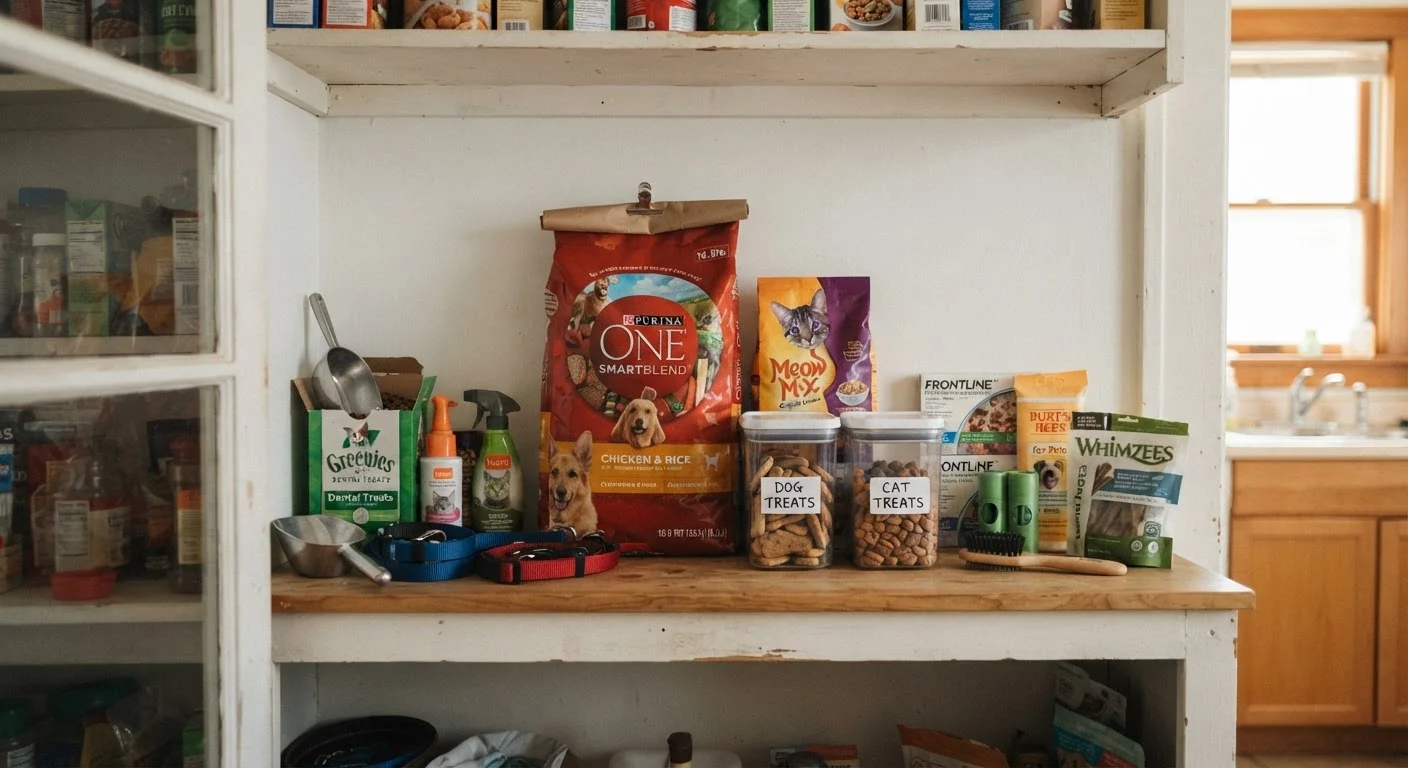
Photo: SaverSteals.com | Explore More. Shop Smarter. editorial
—— In This Article
Key Takeaways
- Loyalty programmes and auto-ship discounts can reduce recurring supply costs without extra effort.
- Buying in bulk only saves money when you can store items properly before they expire.
- Timing purchases around predictable seasonal sales cycles lowers costs on non-urgent supplies.
- DIY enrichment and accessories can replace many impulse purchases without compromising pet welfare.
- Tracking monthly spending helps identify where small habitual purchases quietly inflate your budget.
Where the Budget Pressure Actually Comes From
Pet supply costs tend to creep rather than spike. Food, litter, treats, grooming basics, and the occasional replacement toy accumulate into a surprisingly heavy monthly line item — especially for households managing more than one animal. The pressure isn't usually one big expense; it's dozens of small, recurring ones that feel unavoidable.
The strategies that reliably work aren't about finding the cheapest option at any given moment. They're about building a purchasing approach that consistently captures available savings without requiring constant effort or sacrificing the quality your pet depends on. This list covers the practical methods pet owners use to do exactly that.
If you're just getting started, the first-timer's roadmap to stocking a pet home is worth reading alongside this article — it helps you identify what you actually need before optimising how you buy it.
Sign up for retailer loyalty programmes
Most major pet retailers and many general grocery chains offer free loyalty programmes that accumulate points on every purchase, unlocking periodic discounts or reward dollars. The savings per transaction may seem small, but across a year of routine food and litter purchases, they add up meaningfully.
Some programmes also provide members with early notice of sales or member-only pricing. If you're already buying from a particular retailer regularly, not being enrolled means leaving accessible savings unclaimed.
Loyalty points on routine purchases quietly compound into real annual savings.
Use auto-ship subscriptions strategically
Auto-ship programmes offered by pet retailers typically apply a percentage discount — often 5–10% — on each order compared to one-time purchase prices, with additional savings sometimes available on a first subscription order. For predictable consumables like food and flea prevention, this reduces effort and cost simultaneously.
The catch is inflexibility. Subscriptions can lead to overstocking if your pet's needs change, or to missed savings if a better price appears elsewhere. Review your delivery schedule periodically and adjust quantities to match actual consumption. For a fuller picture of the trade-offs, see auto-ship programmes for pet supplies.
Auto-ship discounts make most sense for predictable consumables you'll always need.
Time non-urgent purchases around sales cycles
Pet supply discounts are not random. Certain sale periods recur annually — major retail holidays, clearance windows at season changes, and anniversary promotions. If you know a large bag of food or a replacement bed will be needed within the next few weeks, waiting for a predictable discount window rather than buying immediately can reduce cost without any risk.
This only works for items that aren't immediately urgent. Maintain a small buffer stock of essentials so you're never buying under pressure, which almost always means paying full price.
Keeping a buffer stock means you can always wait for a sale on non-urgent items.
Buy consumables in bulk — but only when storage allows
Larger package sizes of pet food, cat litter, and treats typically carry a lower per-unit cost than smaller formats. For households that can store bulk quantities properly — in airtight containers, away from heat and moisture — this is one of the most reliable ways to reduce per-use cost.
The savings disappear quickly if food spoils before use or if your pet is switched to a different formula. Only buy ahead in quantities your household will realistically consume within the product's shelf life. The guide to bulk buying pet supplies covers the common pitfalls in detail.
Bulk savings only hold when storage conditions prevent spoilage and waste.
Reduce impulse accessory spending with DIY alternatives
A significant share of pet supply spending goes toward enrichment items, toys, and accessories that have a short useful life. Many of these can be replaced by simple household alternatives — cardboard boxes, paper bags, and knotted fabric strips serve the same enrichment function as purpose-made toys for a wide range of pets.
This isn't about depriving your animal; it's about recognising that novelty drives pet engagement more than price. Rotating low-cost or homemade items keeps enrichment fresh without a matching cost. The DIY pet enrichment guide covers specific ideas by animal type.
Pets respond to novelty, not price — rotation of simple items keeps enrichment effective.
Track spending to find your actual leak points
Without tracking, most pet owners underestimate what they spend monthly — particularly on small, frequent purchases like treats, top-up food bags, and replacement accessories. A simple log of pet-related purchases over two or three months often reveals one or two categories where spending is higher than expected and easier to reduce than it seems.
Tracking doesn't require specialised software. A notes app or basic spreadsheet is sufficient. The goal is pattern recognition, not precise accounting. Once you know where money is going, it's far easier to decide where a different approach would help.
Two months of spending data reveals patterns that intuition alone consistently misses.
Putting It Together Into a Sustainable System
No single strategy here will transform your pet budget overnight, but combining two or three consistently is where real, lasting savings emerge. The goal is to shift from reactive purchasing — buying what you need when you run out — to a light planning rhythm that takes advantage of discounts naturally.
Start With One Change, Not Six
Trying to implement every strategy at once is a reliable way to abandon all of them. Pick the one approach on this list that fits your current purchasing habits most naturally and run it consistently for a month. The compounding effect of a single well-maintained habit outperforms sporadic use of multiple tactics.
For a structured way to estimate and track your monthly pet spending, the pet supply budgeting guide walks through a practical step-by-step approach. And if you're managing multiple pets, strategies for multi-pet households addresses the specific ways costs multiply in non-obvious ways.

Pets Editorial Team
Pets Editorial Team is the collective byline for our editorial team and contributor network. Articles published under this byline or an editorial pen name are researched, written, and reviewed according to our editorial standards for clarity, consistency, and independence before publication.
View author profile