
What to Check Before Buying a Discounted or Second-Hand Garden Tool
A practical checklist covering blades, handles, joints, and rust — so you can confidently assess used or clearance tools before purchasing.
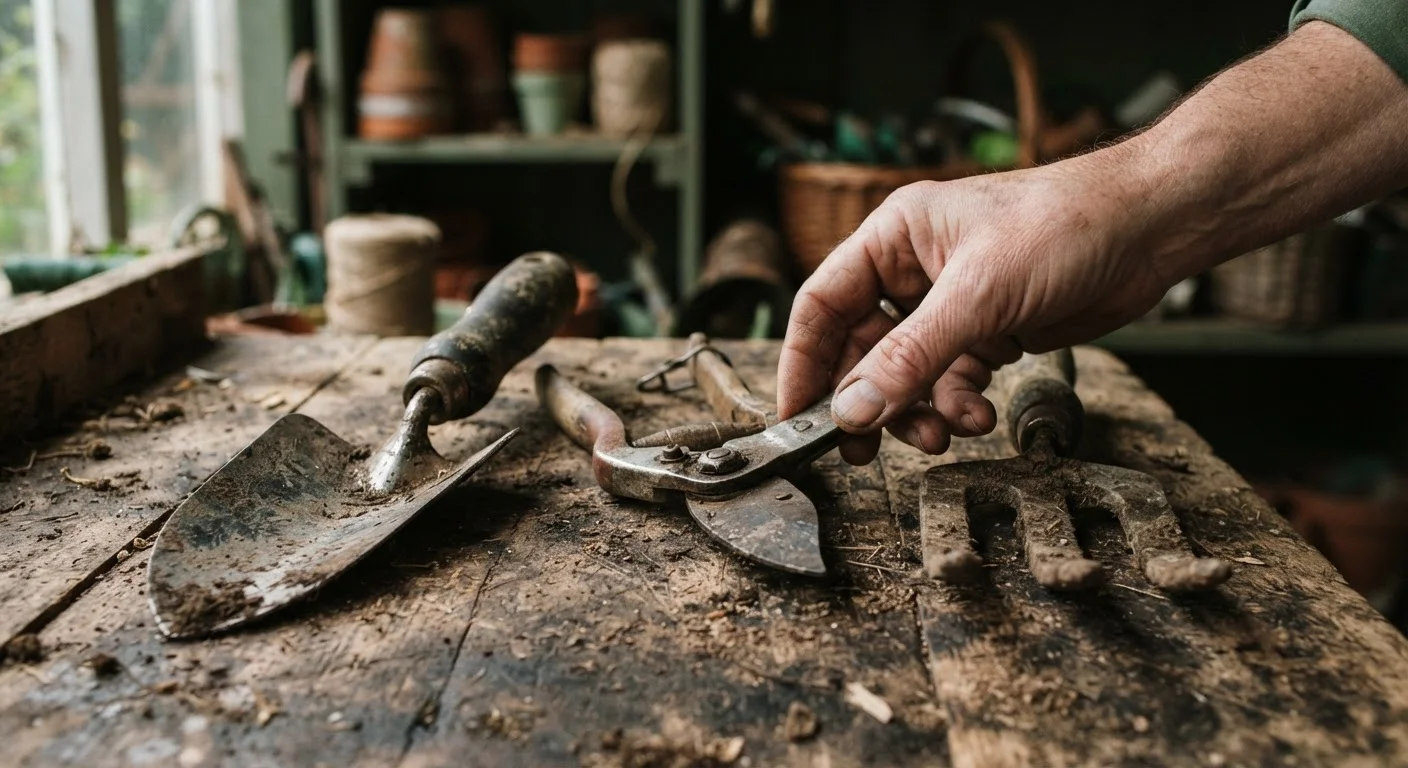
Photo: SaverSteals.com | Explore More. Shop Smarter. editorial
—— In This Article
Key Takeaways
- Surface rust on carbon-steel tools is usually fixable; deep pitting or cracked metal is not worth the risk.
- Handle integrity is as important as blade condition — a splintered or wobbly handle can cause injury.
- Joints, springs, and pivot points on cutting tools must move freely and lock securely before you commit.
- Clearance tools may have cosmetic damage only, but always verify structural soundness first.
- A quick sharpening test reveals whether a blade edge can be restored or is beyond practical use.
Why This Inspection Matters Before You Pay
Discounted and second-hand garden tools can deliver real savings — but only if the tool is genuinely serviceable. A clearance spade with a cracked socket or a used pruner with a sprung pivot costs more to repair than to replace, erasing any price advantage. The checklist below gives you a repeatable process for evaluating any hand-powered garden tool — whether you spotted it at an estate sale, a hardware clearance rack, or an online listing.
Before you begin, gather enough light to see clearly. Natural daylight is ideal; a phone flashlight works in dim settings. If the seller won't allow a close look, that itself is useful information. For a broader starting point on sourcing and evaluating used tools, see our beginner's roadmap to used tools.
Inspect Before You Agree on a Price
Completing the inspection before discussing price gives you objective information — not just a feeling — to justify any negotiation. Once a price is agreed verbally, backing out or renegotiating can feel awkward. If a seller pressures you to decide before you've finished looking, take that as a caution sign.
What You'll Need for the Inspection
You don't need specialist equipment — just a few items you likely have on hand. Having these ready means you can complete the inspection on-site rather than guessing.
Flashlight or phone torch
Illuminates dark welds, socket interiors, and shadowed handle surfaces where cracks or rust are easy to miss.
Clean rag or paper towel
Wipes away surface dirt so you can see the actual condition of metal and wood rather than an obscuring layer of grime.
Small flat-head screwdriver
Probes socket gaps, tests pivot bolt tightness, and checks whether surface rust scrapes away cleanly or reveals deeper pitting.
Work gloves (thin leather or nitrile)
Protects your hands when handling tools with unknown edge condition or rough, splintered surfaces.
Notepad or phone notes app
Records observations for each tool so you can compare multiple finds or remember findings before deciding.
The Pre-Purchase Checklist
Work through each group in order. If a tool fails a must-priority item, consider whether the repair cost is realistic before proceeding. Items marked should are worth addressing soon after purchase; nice-to-have checks simply give you more negotiating information.
Metal Parts & Blade Condition
Handle Integrity
Joints, Springs & Moving Parts (Cutting Tools)
Overall Safety & Usability
Repair & Restoration Feasibility
If you are also evaluating power-driven garden equipment, the process differs significantly — see our pre-purchase checklist for power tools for that workflow. And for a companion look at why clearance sales can be trickier than they appear, read our end-of-season sales guide.
Cracked Metal Is a Hard Stop
A crack in a spade head, hoe blade, or pruner body is not a cosmetic issue — it is a structural failure. Under the stress of digging or cutting, cracked metal can snap unexpectedly, causing serious hand or foot injuries. No price reduction justifies purchasing a tool with cracked load-bearing metal.
After the Inspection: Making Your Decision
Once you've worked through the checklist, tally your findings. A tool with only cosmetic issues — surface rust, a dull edge, a loose but structurally sound handle — is typically a reasonable purchase if the price reflects that condition. A tool with cracked metal, a shattered handle, or a seized pivot is rarely worth rehabilitating unless you have the skills and materials already available.
Factor in the cost of any consumables you'll need: sandpaper, linseed oil, a replacement handle, or a sharpening stone. These are usually inexpensive, but they should come off the effective price in your head. For a comprehensive view of the full used-tool ownership cycle — from sourcing through long-term maintenance — our complete used-tools resource covers it in detail. You can also browse the Used Tools hub for additional guidance on where to find quality secondhand options.

Home & Garden Editorial Team
Home & Garden Editorial Team is the collective byline for our editorial team and contributor network. Articles published under this byline or an editorial pen name are researched, written, and reviewed according to our editorial standards for clarity, consistency, and independence before publication.
View author profile