
Your First Trip to a Thrift Store: What to Expect and How to Leave Happy
Thrift stores can feel chaotic at first. This beginner's walkthrough covers how to navigate racks, spot quality, and avoid overwhelm.
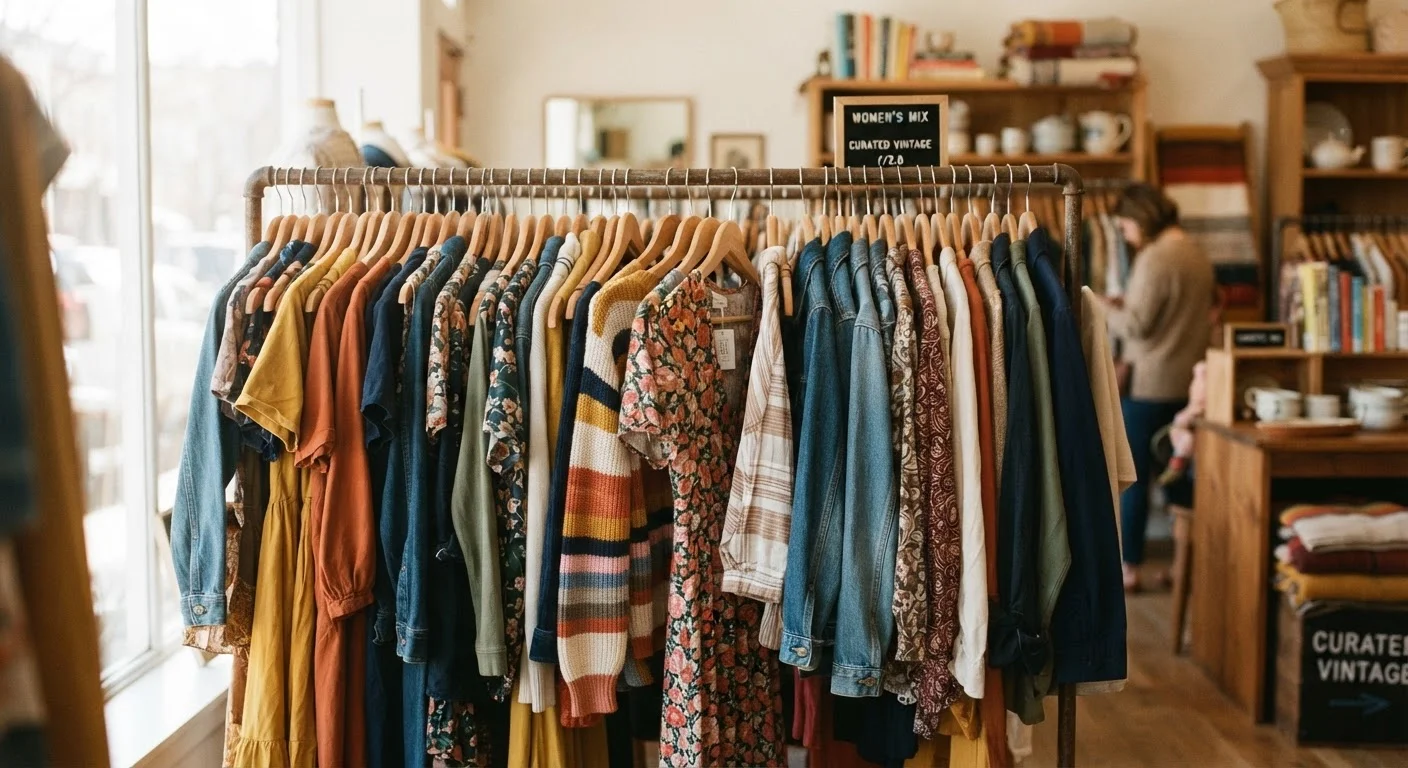
Photo: SaverSteals.com | Explore More. Shop Smarter. editorial
—— In This Article
Key Takeaways
- Thrift stores are organized loosely by category and size - not by brand or style.
- Inspecting seams, fabric, and zippers before buying prevents disappointing purchases.
- Prices vary significantly by store, region, and donation cycle - not always as low as expected.
- Going with a loose plan reduces overwhelm without limiting what you might find.
- A successful first trip means leaving with at least one item you're genuinely happy with.
What a Thrift Store Actually Looks Like Inside
Walk into a thrift store for the first time and the sheer volume of stuff can feel chaotic. Unlike a department store where inventory is curated and displayed by season, a thrift store reflects whatever came through the donation door that week. Expect densely packed racks, mismatched signage, and a mix of eras and styles all in the same aisle.
Most stores organize clothing loosely - women's tops in one section, men's pants in another, jackets along the back wall. Within those categories, items are usually grouped by size and sometimes by color. There's rarely a brand directory or a staff member to point you toward a specific item. That's not a flaw; it's just how the format works.
Nonprofit thrift chains, consignment shops, and independent secondhand stores all operate differently. If you want to understand how those differences extend beyond layout into pricing strategy, our explainer on thrift store pricing covers donation cycles and color-tag rotations in detail.
Color-tag rotation
A pricing system where thrift stores mark items with colored tags that go on discount on a rotating schedule. Knowing which color is discounted that week can lower what you pay.
Pilling
Small fuzzy balls of fiber that form on fabric surfaces after repeated friction or washing. Heavy pilling is a sign of significant wear and is difficult to fully remove.
Consignment shop
A type of secondhand store where the original owner still receives a portion of the sale price. Items are usually more curated and priced higher than standard thrift stores.
Donation cycle
The recurring pattern of when donations come in and when older inventory is cleared out. Understanding this rhythm can help you visit at times when selection is fresher.
Set-in stain
A stain that has been through a dryer or has dried over time, making it chemically bonded to the fabric and very difficult to wash out completely.
How to Work the Racks Without Losing Your Mind
The most common mistake first-timers make is trying to look at everything. Instead, go in with a loose goal: a specific garment type, a color palette you wear often, or a size range to focus on. This narrows your scan without cutting off unexpected finds.
Move through racks methodically - left to right, one section at a time. Slide hangers rather than pulling items out randomly. If something catches your eye, pull it and drape it over your arm while you keep moving. You can evaluate your arm pile at a fitting room or a clear stretch of rack later.
Avoid spending more than a few seconds on any single item during your first pass. If you're unsure, set it aside rather than agonizing at the rack. Your eye gets faster with practice, and a second pass often clarifies what's actually worth trying on.
Wear easy layers on your visit
If fitting rooms are limited or busy, wearing a fitted base layer lets you hold items against your body to check proportions quickly. It's not a substitute for trying things on, but it speeds up your first-pass decisions considerably.
Inspecting Clothing for Quality and Condition
This is the skill that separates a good thrift shopper from one who gets home with regrets. Before any item goes into your basket, run through a quick physical check:
- Fabric surface: Look for pilling (small fuzzy balls), fading, or thinning. Pilling is hard to reverse and usually means the garment has already had heavy use.
- Seams and stitching: Check underarm seams, shoulder seams, and hems. Unraveling stitches can sometimes be repaired, but inspect whether it's worth the effort.
- Zippers and buttons: Test every zipper. Missing or mismatched buttons are usually fixable; a broken zipper on a structured jacket often isn't worth the cost to replace.
- Stains and odors: Hold the garment up to available light and check the collar, underarms, and cuffs. Smell it - musty odors sometimes wash out, but set-in stains usually don't.
If you're also exploring thrift stores for items beyond clothing - books, for example - the same condition-first mindset applies. Our guide to thrift store book finds walks through a similar inspection framework for a different category.
Managing Expectations on Price and Selection
Thrift pricing is not always the obvious bargain it's assumed to be. Prices vary significantly between stores, neighborhoods, and even between visits to the same location. Donated items aren't priced by a consistent formula - a worn fast-fashion top and a barely-used wool coat might carry similar tags depending on who priced them that day.
Selection is equally unpredictable. You won't always find your size, and you may visit three times before landing something genuinely useful. That's normal. Thrift shopping rewards frequency and patience more than single-trip hunting expeditions.
It also helps to know that thrift stores are just one secondhand channel. Estate sales and flea markets operate on different inventory logic and pricing dynamics - if you're curious how they compare, our field guide to secondhand venues covers the differences.
Not every thrift price is a deal
Thrift stores can misprice items - sometimes too high, occasionally too low. Before assuming a tagged price reflects fair value, do a quick check of comparable items online. Overpaying at a thrift store is more common than most first-timers expect.
Leaving Happy: What a Good First Trip Looks Like
Set a realistic benchmark for your first visit: leave with one item you're genuinely pleased with. Not a pile, not a project - one piece that fits, passes the condition check, and works with what you already own. That's a successful trip.
If you leave empty-handed, that's fine too. Some visits are reconnaissance - you learn the layout, understand the store's pricing tendencies, and get a feel for how the racks are organized. That knowledge compounds over time.
Before your next visit, it's worth reading up on where secondhand shoppers commonly overpay, because thrift prices aren't always the deal they look like at first glance. Our article on where thrift shoppers overpay is a useful next step once you've got your first trip behind you.
Wash everything before wearing it, keep your receipts, and check the return policy on the way out. Small habits like these make the whole process feel less like a gamble and more like a skill you're building.
Frequently Asked Questions

Clothing Editorial Team
Clothing Editorial Team is the collective byline for our editorial team and contributor network. Articles published under this byline or an editorial pen name are researched, written, and reviewed according to our editorial standards for clarity, consistency, and independence before publication.
View author profile