
Thrift Shopping Decoded: What Resale, Secondhand, and Vintage Actually Mean
Resale, thrift, vintage, preloved — these terms get used interchangeably but mean different things. Here's what each label actually signals.
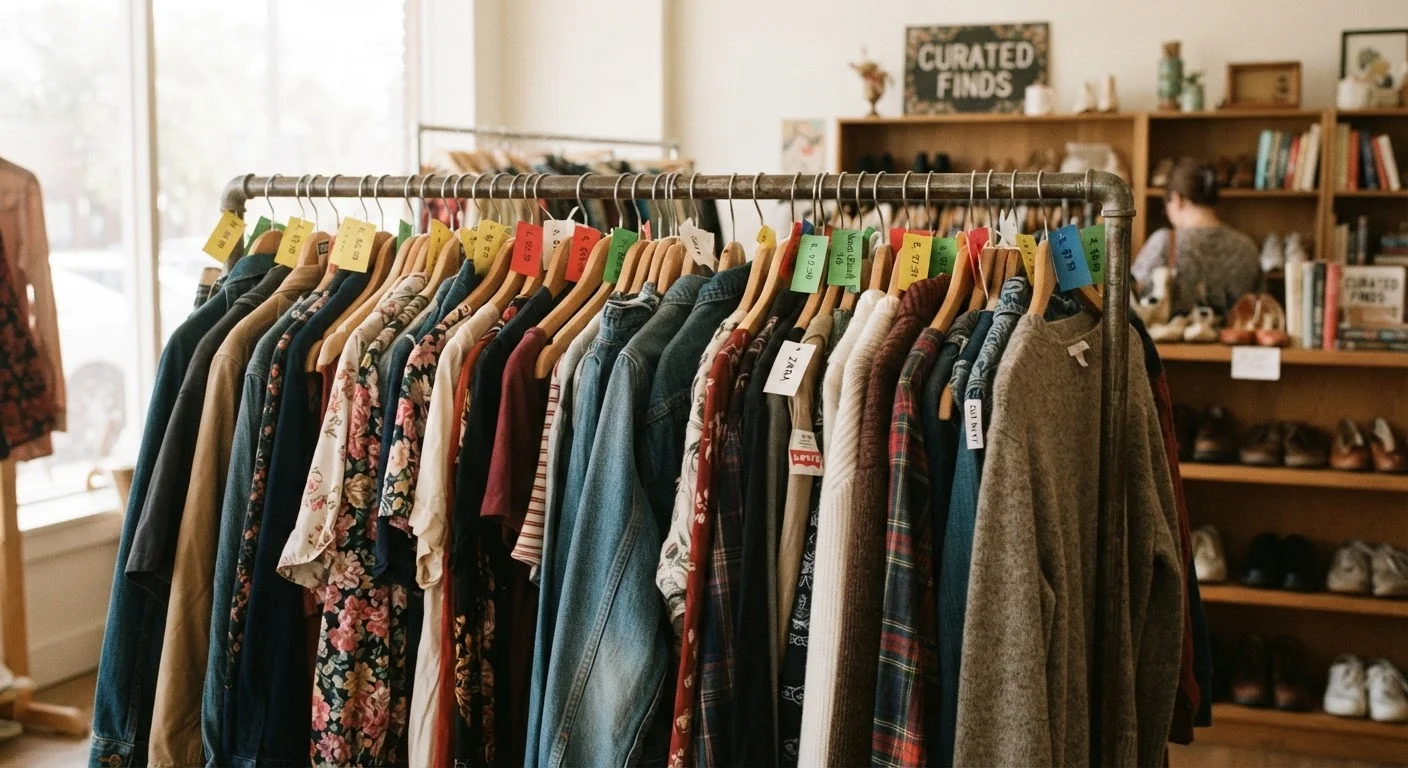
Photo: SaverSteals.com | Explore More. Shop Smarter. editorial
—— In This Article
Key Takeaways
- Thrift, resale, vintage, and preloved are not synonyms - each signals a different sourcing model and price expectation.
- Vintage specifically refers to garments typically 20 or more years old, while 'retro' just means vintage-inspired styling.
- Resale platforms often grade item condition, making quality easier to predict than in traditional thrift stores.
- Prices vary significantly by channel: donation-based thrift stores generally price lower than curated resale apps.
- Understanding these distinctions helps you shop the right channel for your goal - saving money, finding rare pieces, or both.
Why the Labels Matter
Walk into any secondhand space - physical or digital - and you'll encounter a cluster of terms used loosely and often interchangeably: thrift, resale, vintage, preloved, consignment. For a shopper trying to stretch a clothing budget, these distinctions are more than semantic. Each label signals something specific about where the item came from, how it was priced, and what condition to expect.
Confusing them leads to mismatched expectations. Someone browsing a donation-based thrift store expecting curated vintage pieces will be frustrated. Someone paying resale-app prices expecting thrift-store deals is overpaying by design. Getting these terms straight is the first practical step in secondhand shopping. See the complete secondhand clothing handbook for a full breakdown of how to navigate each channel effectively.
Thrift: Donation-Based, Mission-Driven
When most people picture secondhand shopping, they picture thrift stores. These are typically operated by nonprofit organizations - goods are donated by the public, sorted by staff or volunteers, and sold at prices set by the store. Proceeds fund the organization's charitable programs.
Because inventory comes from donations rather than purchasing, thrift stores price items without reference to original retail cost. A designer jacket and a no-name sweater might sit on the same rack at similar prices. This creates genuine value opportunities - but also requires patience, since inventory is unpredictable and quality varies widely.
Thrift Prices Have Been Rising
Thrift store pricing has increased noticeably over the past several years as secondhand shopping has grown in mainstream popularity. Don't assume thrift automatically means low price - compare against resale platforms for the same item before assuming you're getting a deal.
Thrift store pricing has increased noticeably over the past several years as secondhand shopping has grown in mainstream popularity. Don't assume thrift automatically means low price - compare against resale platforms for the same item before assuming you're getting a deal.
Resale: Peer-to-Peer and Curated Platforms
Resale is a broader category that includes any sale of a used item by an individual or business - not necessarily tied to a charitable model. This includes peer-to-peer apps where sellers list their own items, curated resale shops that buy and resell inventory, and consignment stores where sellers receive a percentage of the sale price.
The key difference from thrift: pricing on resale platforms typically reflects brand recognition, item condition, and market demand. A sought-after item in excellent condition commands a higher price than the same item at a thrift store. In exchange, resale listings usually include standardized condition grades (like "like new," "good," or "fair") that make it easier to know what you're getting before it arrives.
20 years
Minimum age threshold commonly used for 'vintage' clothing
The 20-year rule is the most widely applied standard among secondhand dealers and resale platforms, though no single governing body enforces a universal definition.
~50%
Typical consignment store commission on a sale
Consignment commission rates vary by store and item type, but sellers commonly receive between 40% and 60% of the final sale price, with the remainder retained by the shop.
For a side-by-side look at how these channels compare in practice, see in-person thrifting vs. online resale.
Vintage and Antique: Age Has a Definition
Vintage is one of the most misused terms in the secondhand world. In most accepted usage, a garment qualifies as vintage if it is at least 20 years old and reflects the aesthetic of its production era. Clothing from the 1970s, 1980s, and early 1990s comfortably qualifies. The threshold isn't rigid across all sellers, but 20 years is the most commonly applied standard.
Antique clothing typically refers to garments 100 or more years old - Victorian-era pieces, Edwardian garments, and early 20th-century items. These are rare, fragile, and usually found through estate sales or specialist dealers rather than general thrift channels.
Retro is a separate term entirely. Retro clothing is newly manufactured to evoke a past era's style - it is not secondhand. Listings that describe a brand-new item as "retro" are describing its aesthetic, not its age or origin.
Vintage commands a price premium because of age, historical interest, and often scarcity. Knowing whether a listing uses "vintage" accurately - or just aspirationally - is worth a closer look at the item's details and the seller's description.
Preloved, Consignment, and Other Common Terms
Preloved is simply a softer marketing term for used or secondhand. It carries no standardized meaning and tells you nothing reliable about condition. Read the item description and condition grade regardless of how the listing frames its language.
Consignment refers to a specific selling arrangement: the original owner leaves the item with a store or platform, which sells it on their behalf and takes a commission. The seller doesn't get paid until the item sells. Consignment shops often have a higher-than-thrift price point and tend to be more selective about what they accept, which can mean more consistent quality.
Deadstock is a term you'll encounter in vintage contexts. It refers to new, unused merchandise - often clothing - that was produced but never sold at retail, sometimes sitting in warehouses for decades. Deadstock items are technically unused but may be quite old, and condition can vary depending on storage.
For shoppers who are still skeptical about the overall quality of used clothing, why secondhand clothes aren't always dirty or worn out addresses the most common assumptions head-on.
Frequently Asked Questions

Clothing Editorial Team
Clothing Editorial Team is the collective byline for our editorial team and contributor network. Articles published under this byline or an editorial pen name are researched, written, and reviewed according to our editorial standards for clarity, consistency, and independence before publication.
View author profile