
Why Secondhand Clothes Aren't Always Dirty or Worn Out
Common assumptions about thrift and resale clothing often don't hold up. We examine the facts behind the most persistent misconceptions.
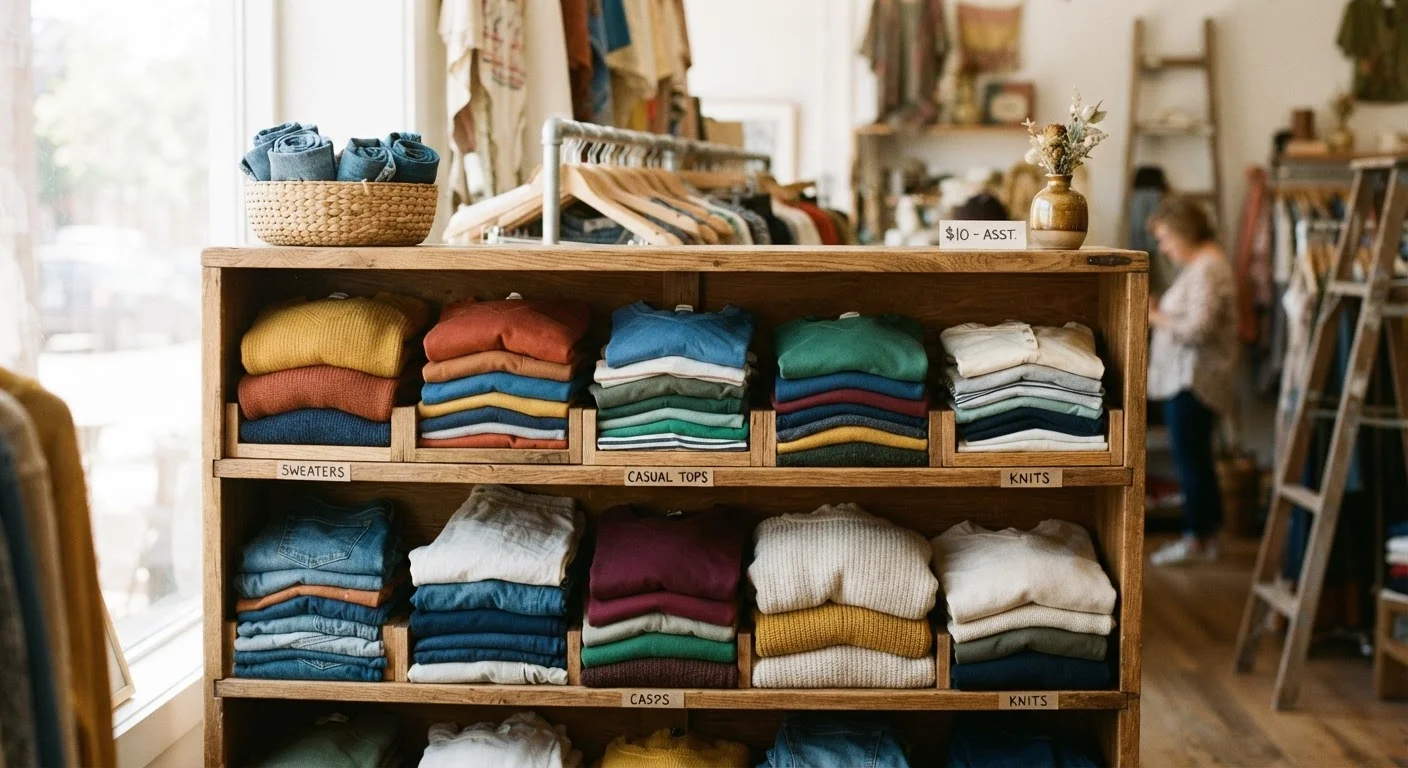
Photo: SaverSteals.com | Explore More. Shop Smarter. editorial
—— In This Article
Key Takeaways
- Most secondhand clothing is donated in wearable condition, not because it is damaged or dirty.
- Standard washing effectively sanitizes used clothing in the vast majority of cases.
- Resale channels increasingly specialize in near-new items, widening the quality range available.
- Thrift stores and resale apps apply grading and inspection processes that filter out poor-condition items.
- Fabric type matters more than prior ownership when assessing long-term wearability.
Where These Misconceptions Come From
Reluctance around secondhand clothing is often rooted in assumptions passed down from earlier eras, when donation-based thrift stores were less organized, sanitation knowledge was less widespread, and resale carried a stronger social stigma. Those conditions have changed substantially. The secondhand clothing market has grown into a structured industry with multiple distinct channels - thrift stores, consignment shops, peer-to-peer resale apps, and curated vintage dealers - each with its own quality standards and pricing logic. Yet the old mental image of the dusty, chaotic charity shop persists for many shoppers, shaping their perception before they've evaluated current reality. A full overview of secondhand channels can help calibrate those expectations with what the market actually looks like today.
Myth
Secondhand clothes are dirty and carry germs, so they're unsafe to wear.
Fact
Used clothing can be effectively sanitized with standard home laundering before wearing.
The idea that secondhand clothes are inherently unsanitary overstates the risk. Fabric-borne pathogens generally don't survive long outside a host, and a normal wash cycle - warm water with detergent - is sufficient to clean the vast majority of used garments. For delicate items that can't be machine-washed, a gentle hand wash or a run through a steam setting is a reasonable alternative. The same hygiene logic applies to new clothing, which is handled by multiple people in warehouses and fitting rooms before purchase. The sensible habit is simply to wash any clothing, new or used, before wearing it the first time.
Myth
Clothes end up in thrift stores because they're too worn out or damaged to use.
Fact
A large share of donated clothing is in good to excellent condition, often barely worn.
Donations come from a wide range of situations: wardrobe edits, weight changes, gifts that didn't fit, impulse purchases that were never worn, and estate clearances. Many items arrive at thrift stores with original tags still attached. Resale platforms such as peer-to-peer apps have also normalized the practice of listing gently used items specifically because they still have significant life left. Understanding where inventory actually comes from reframes the experience - you're often sorting through other people's surplus, not their castoffs. See what resale labels actually signal for more on how different channels source their stock.
Myth
Thrift stores accept everything donated, so quality is unpredictable and unreliable.
Fact
Most organized thrift operations sort and reject items that don't meet basic quality standards.
Reputable thrift operations - whether nonprofit chains or curated resale shops - apply some level of intake screening. Items with major stains, structural damage, or strong odors are typically discarded or recycled rather than put on the sales floor. Curated consignment stores and resale apps with seller ratings add another quality filter, since sellers have an incentive to accurately represent item condition. That said, quality control isn't uniform across all channels, and a quick in-person inspection remains a practical step. Checking seams, zippers, and fabric surface takes about 60 seconds per item and catches most problems before purchase.
Myth
Secondhand clothing always looks dated - you can tell it's old just by looking at it.
Fact
Style cycles mean older pieces frequently re-enter fashion, and many basics never go out of style.
Fashion operates in cycles, which means items from previous decades often return to relevance. Beyond trend cycles, a large category of clothing - denim, solid-color knitwear, tailored trousers, plain t-shirts - is essentially timeless. Resale platforms have also made it easier to find specific styles and eras deliberately, turning perceived datedness into a feature rather than a flaw. The more useful variable to assess isn't age but condition. Fabric type influences wearability far more than the year a garment was made.
Myth
Secondhand clothes never save you much money once you account for alterations and cleaning.
Fact
Used clothing typically costs significantly less than retail even after factoring in minor cleaning or alterations.
The savings potential in the secondhand market is real, though it varies considerably by channel. Thrift store prices are generally set well below retail, and even curated resale platforms - where prices run higher - usually represent a meaningful discount from original retail. Alterations are rarely necessary unless you're choosing items that don't fit, which is avoidable with careful sizing. And laundering costs are negligible. The place shoppers most commonly lose value is by overpaying for items simply labeled "vintage" or "rare." Where thrift shoppers routinely overpay is worth understanding before you develop a budget strategy.
What the Evidence Actually Shows
Working through the most common objections reveals a consistent pattern: the concerns are not entirely unfounded, but they are routinely overstated. Hygiene risks are real but manageable with basic laundering. Condition variability is real but mitigated by inspection and channel selection. Dating is real for some items but irrelevant for many others. The same critical thinking that applies to secondhand clothing translates to other categories - similar myth-and-reality gaps show up in used furniture assumptions and secondhand sports equipment. The underlying principle is the same: condition and sourcing matter more than prior ownership.
77%
Shoppers open to buying secondhand apparel
According to a ThredUp resale industry report, a large majority of consumers surveyed indicated they were open to purchasing used clothing.
~$350B
Projected global secondhand apparel market value
Industry analysts project the global secondhand apparel market could reach this scale within the next several years, reflecting significant mainstream adoption.
For shoppers who are still uncertain, starting with low-stakes categories - basics, casual layers, denim - provides a low-risk way to evaluate the experience before committing to higher-value secondhand purchases. The evidence suggests the barrier is perception far more than practical risk.
Condition Varies - Always Inspect Before Buying
No secondhand channel guarantees perfect quality on every item. Even well-run thrift stores occasionally stock items with undisclosed flaws. Check seams, closures, fabric surface, and fit before purchasing. When buying online, request additional photos if the listing images aren't sufficient - most reputable sellers will provide them.

Clothing Editorial Team
Clothing Editorial Team is the collective byline for our editorial team and contributor network. Articles published under this byline or an editorial pen name are researched, written, and reviewed according to our editorial standards for clarity, consistency, and independence before publication.
View author profile